
Every autumn we hear the same assumption from Melbourne homeowners: renovating should wait until the weather improves. In practice, some of the smoothest projects we deliver run through June, July and August, while some of the most congested run through the pre-Christmas rush that everyone else aimed for.
Winter renovating in Melbourne is neither a bargain hack nor a mistake. It is a scheduling decision with real trade-offs around weather exposure, drying times, trade availability and how your project lands against the industry's busiest months. This guide sets out those trade-offs honestly so you can time your build deliberately.
In this guide
The Case for Winter: Availability and Momentum
The renovation industry in Melbourne has a strong seasonal rhythm. Enquiries surge in spring, projects pile up toward Christmas, and the January restart is always slower than people expect. Winter sits in the trough of that cycle, and the trough has genuine advantages.
- Better trade availability: Carpenters, tilers, waterproofers and electricians are commonly easier to book in winter, which means fewer sequencing gaps between trades.
- More builder attention: Supervisors juggling fewer concurrent jobs typically visit site more often and resolve issues faster.
- Supplier lead times ease: Joinery workshops and stone fabricators run shorter queues outside the spring and pre-Christmas peaks.
- You finish before the rush: A project that starts in June is enjoying its new kitchen while spring starters are still waiting on permits.
None of this guarantees a cheaper contract price, and you should be wary of anyone promising winter discounts on quality work. The real win is schedule reliability, and on renovations, time is money.
The Honest Downsides of a Winter Build
Melbourne winters are wet, cold and short on daylight, and each of those affects a build in specific ways.
- External works slow down: Roofing, cladding, rendering, concreting and external painting are all weather-dependent. Rain days on an extension or full-home project are more likely between June and September.
- Drying and curing take longer: Plaster setting, waterproofing membranes, screeds, render and paint all cure slower in cold, humid conditions. A membrane that dries overnight in February may need noticeably longer in July, and a good builder will not tile over it early.
- Shorter working days: Trades lose productive daylight at both ends of the day, particularly on sites without temporary lighting.
- Living through it is harder: If part of the house is open to weather, or the heating is offline during electrical and plumbing stages, winter amplifies the discomfort of living on site.
The common thread is that winter punishes optimistic programming. It does not punish good programming.
Which Projects Suit Winter Best
The weather exposure of a project matters far more than the season itself. Internal renovations are largely weather-proof once the building envelope is intact.
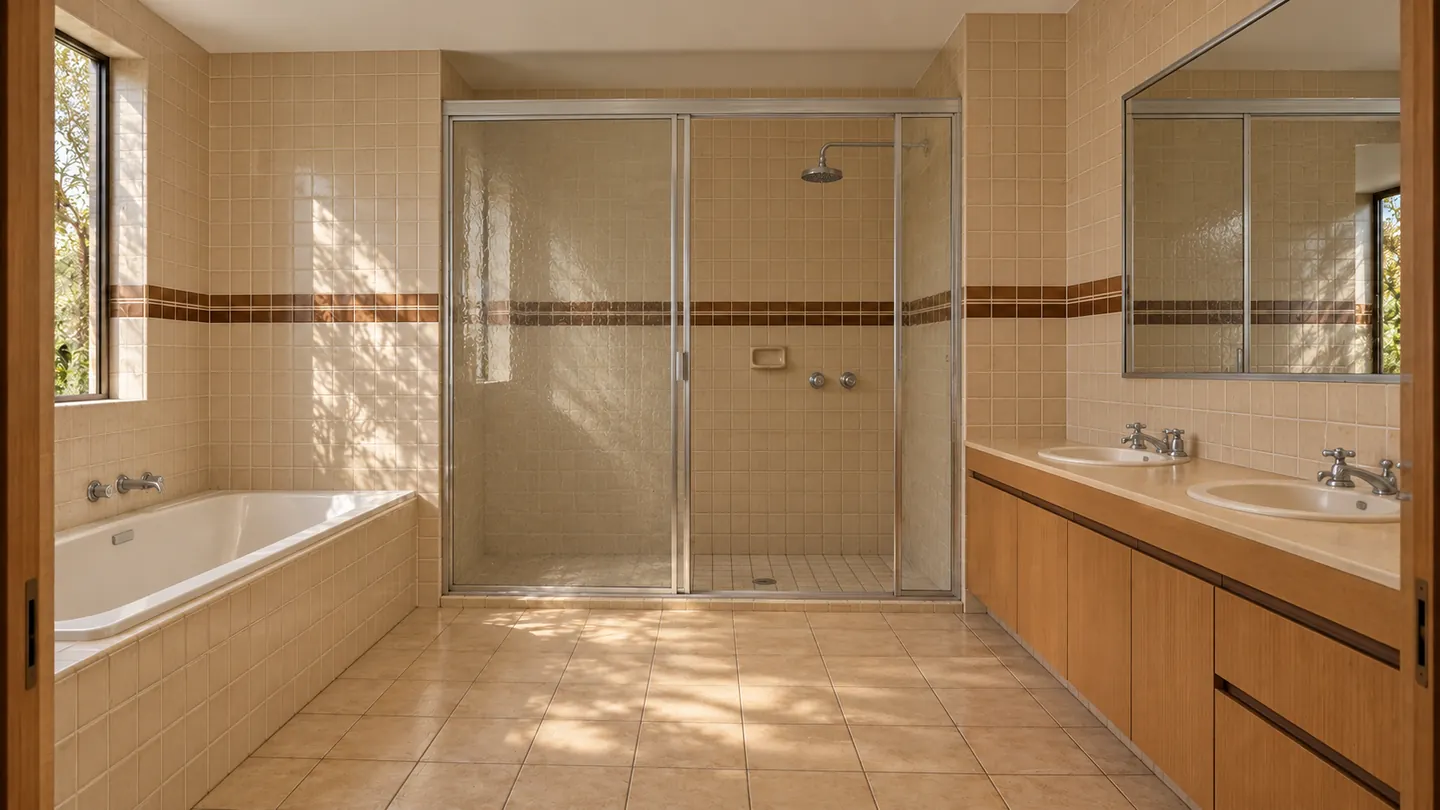
- Bathrooms, ensuites and laundries: Excellent winter projects. All work is internal, and the only seasonal adjustment is allowing extra membrane and screed drying time.
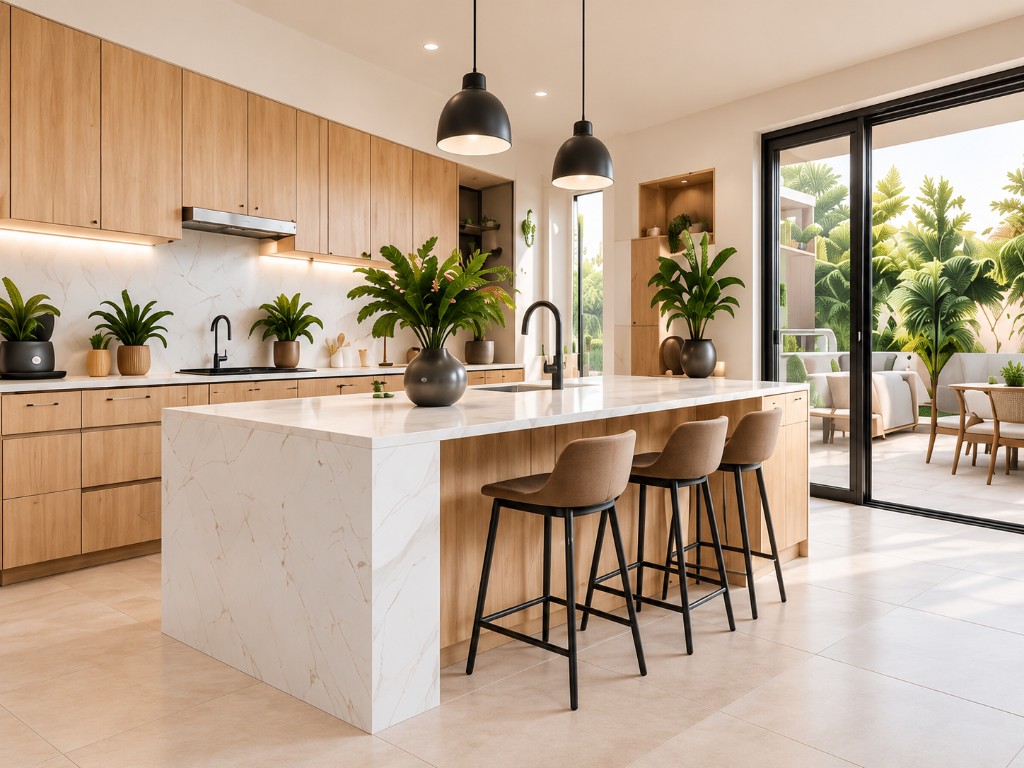
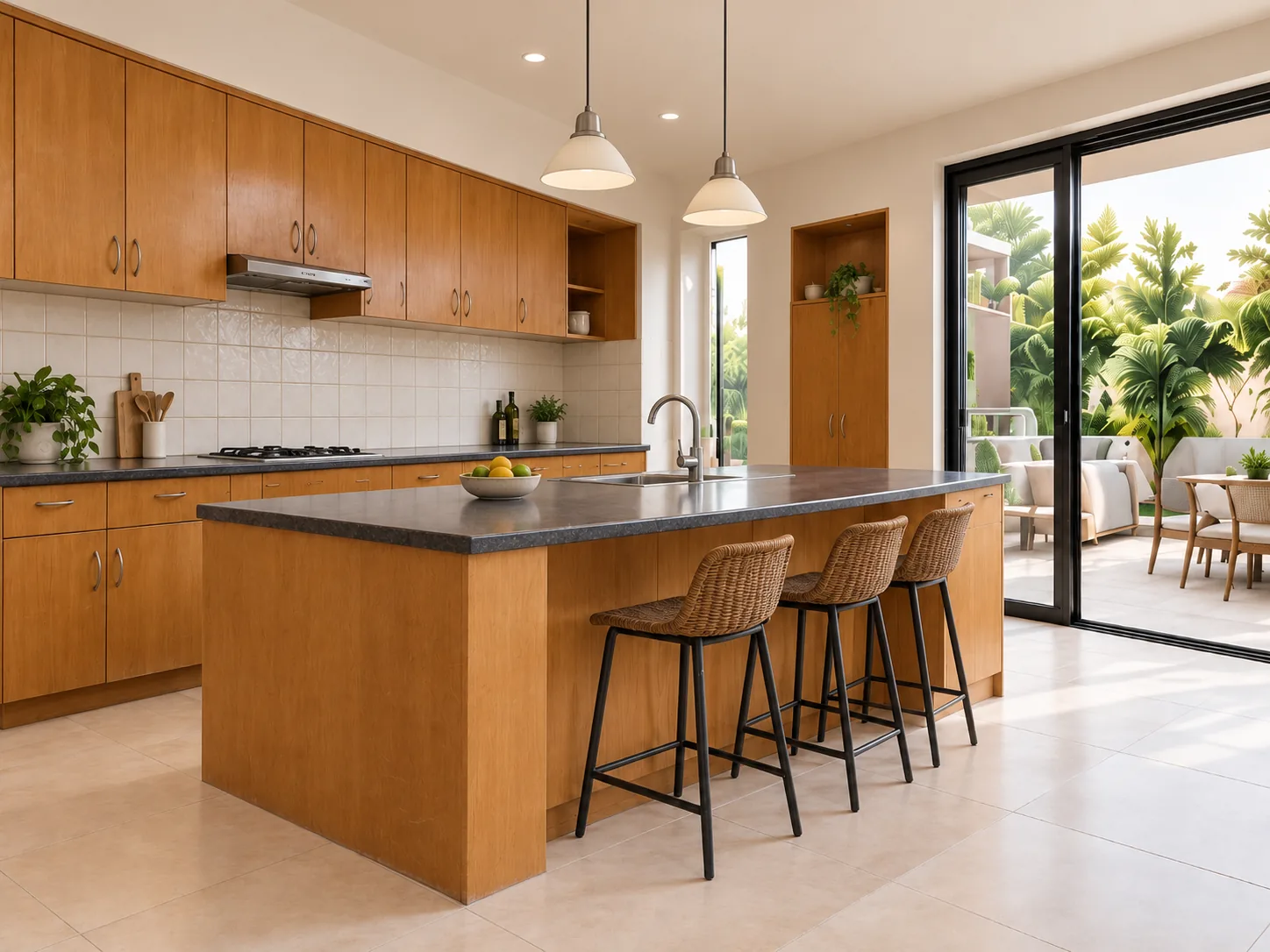
- Kitchens: Equally strong, with the caveat that living without a kitchen in winter is less pleasant, so a realistic temporary cooking setup matters more.
- Internal full-home works: Rewiring, replastering, flooring, joinery and painting all proceed comfortably through winter.
- Extensions and roof works: These are the projects where winter needs careful staging. Experienced builders aim to get footings, frame and roof watertight quickly, then move the weather-sensitive trades inside.
If your project involves opening the roof or removing external walls, the question isn't whether winter is possible. It is whether your builder has a wet-weather plan, temporary protection strategy and a program with honest float built in.
Season-by-Season Scheduling Comparison
| Season | Trade Availability | Weather Risk | Best Suited To |
|---|---|---|---|
| Winter (Jun-Aug) | Typically the best of the year | High for external works, low for internal | Bathrooms, kitchens, internal full-home stages |
| Spring (Sep-Nov) | Tightening as demand surges | Moderate, changeable weather | Extensions starting external works |
| Summer (Dec-Feb) | Disrupted by shutdown and holidays | Low rain risk, heat slows some trades | Projects already mid-stream, external painting |
| Autumn (Mar-May) | Good and stabilising | Low to moderate | Almost everything, especially envelope works |
The table is a generalisation, but it reflects a pattern most Melbourne builders would recognise: the calendar you should fear is not July. It is the December crunch and the January restart.
The Christmas Shutdown Effect
The single most underestimated scheduling factor in Melbourne renovating is the industry shutdown from roughly mid-December to mid-January. Suppliers close, trades take leave, and anything not finished by early December commonly stalls for four to six weeks.
This is why winter starts are strategically strong. Consider two identical kitchen projects:
- Start in July: Design and permits done, site works through August, completion in early spring. The project never touches the shutdown.
- Start in October: The same program now collides with fabricator queues, booked-out trades and the shutdown itself. A two-week slip in November becomes a six-week slip into February.
If you are reading this in winter and hoping to be finished by Christmas, the maths is simple: bathrooms and kitchens starting on site by September or October usually make it. Larger projects need to be well underway already, or better, aimed at an autumn completion instead.
How Builders Manage Winter Risk
A builder who works through Melbourne winters every year manages the season with specific, unglamorous habits. When you interview builders for a winter start, ask how they handle each of these.
- Weather-staged programming: External and structural stages scheduled against forecast windows, with internal work held as wet-day fallback.
- Temporary protection: Tarping, temporary roofing and sealed openings whenever the envelope is open, not just when rain is forecast.
- Curing discipline: Membranes, screeds and render given manufacturer-specified cure times for cold conditions, verified rather than assumed.
- Moisture testing: Timber floors and substrates checked with a moisture meter before coatings or coverings go down.
- Site heating and drying: Dehumidifiers and heaters used to keep plaster and paint stages moving.
These habits cost the builder a little margin and save the homeowner a lot of rectification. Their absence is how winter builds earn a bad reputation.
Our Verdict on Winter Renovating
For internal renovations, winter is arguably the best-kept scheduling secret in Melbourne: better availability, more attention from your builder, and completion before the spring rush. For extensions and structural projects, winter is workable but demands a builder with a genuine wet-weather methodology and a program that respects longer curing times.
The worst option is the one most people default to: deciding in spring, briefing builders in October, and trying to squeeze a build into the most congested weeks of the year. Whatever season you choose, the projects that run smoothly are the ones where design, selections and permits were completed before the start date, so the season only has to carry the construction, not the decision-making.
Take these ideas with you.
- Winter offers the best trade availability and builder attention of the Melbourne calendar
- Internal projects like bathrooms and kitchens are largely weather-proof and suit winter well
- Cold and humidity extend curing times for membranes, screeds, plaster and paint, so programs need honest float
- The December shutdown and January restart disrupt schedules far more than July rain does
- Extensions can run through winter if the builder gets the envelope watertight early and stages trades around weather
A few more answers
Questions about your next step.
How much should I budget for a kitchen renovation in Melbourne?
Budget depends on layout changes, cabinetry level, benchtop choice, appliance scope and trade complexity. Fixed-layout refreshes sit much lower than structural redesigns with new services.
What kitchen upgrades usually add the most practical value?
Better drawer storage, smarter appliance placement, durable benchtops, layered task lighting and a well-sized rangehood tend to outperform cosmetic-only upgrades.
How long does a kitchen renovation usually take?
Most kitchens run over several weeks. Cabinetry manufacturing, stone templating and trade sequencing usually matter more than the demolition day.
Put your ideas into a plan
Check feasibility before you lock a quote
Council overlays, access and existing services change the job. Bring the property constraints in before finish selections harden.
We program renovations year-round and will tell you honestly which start date suits your scope. Talk to us about a winter or spring start for your renovation, or call 1300 173 622 to map the timeline.