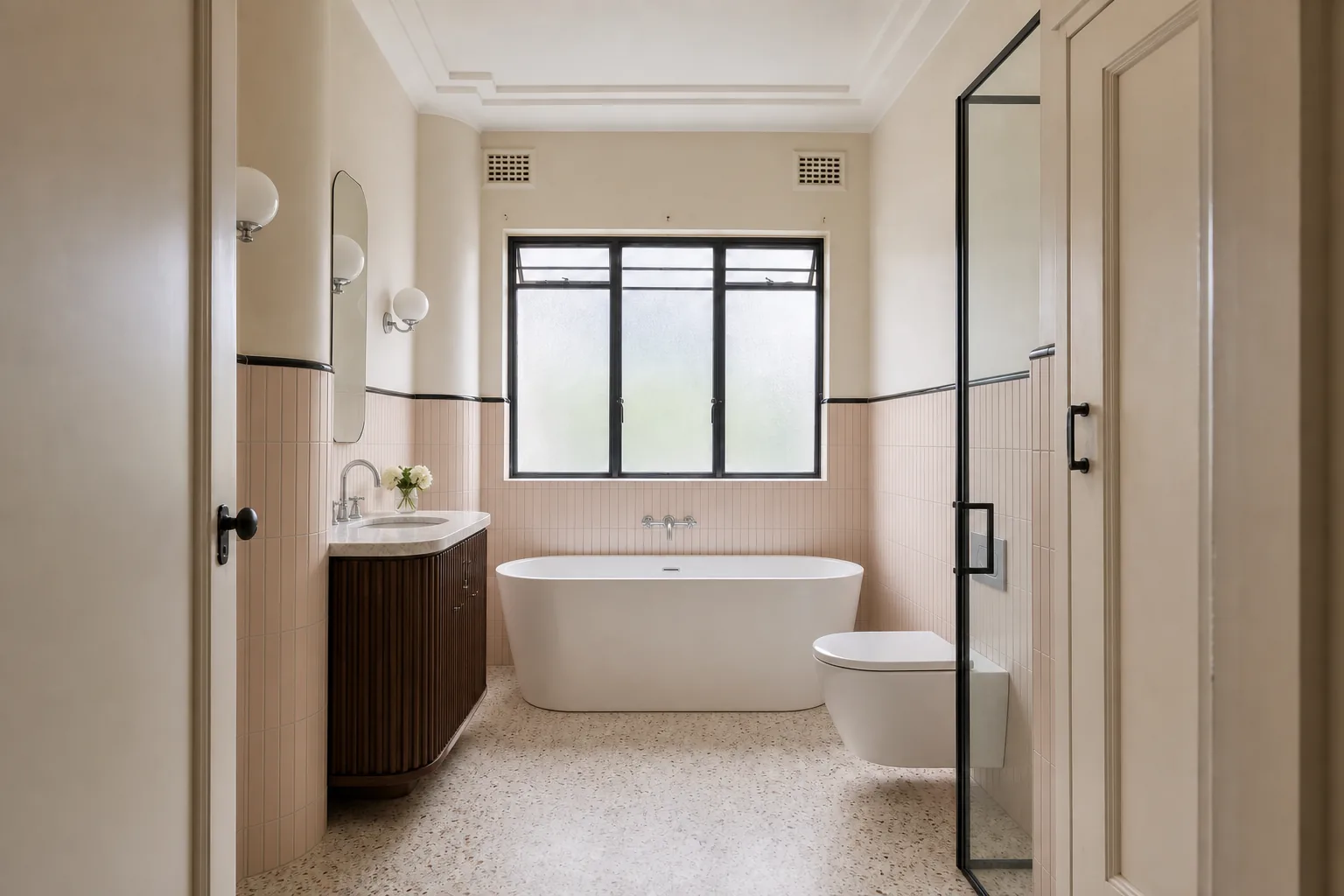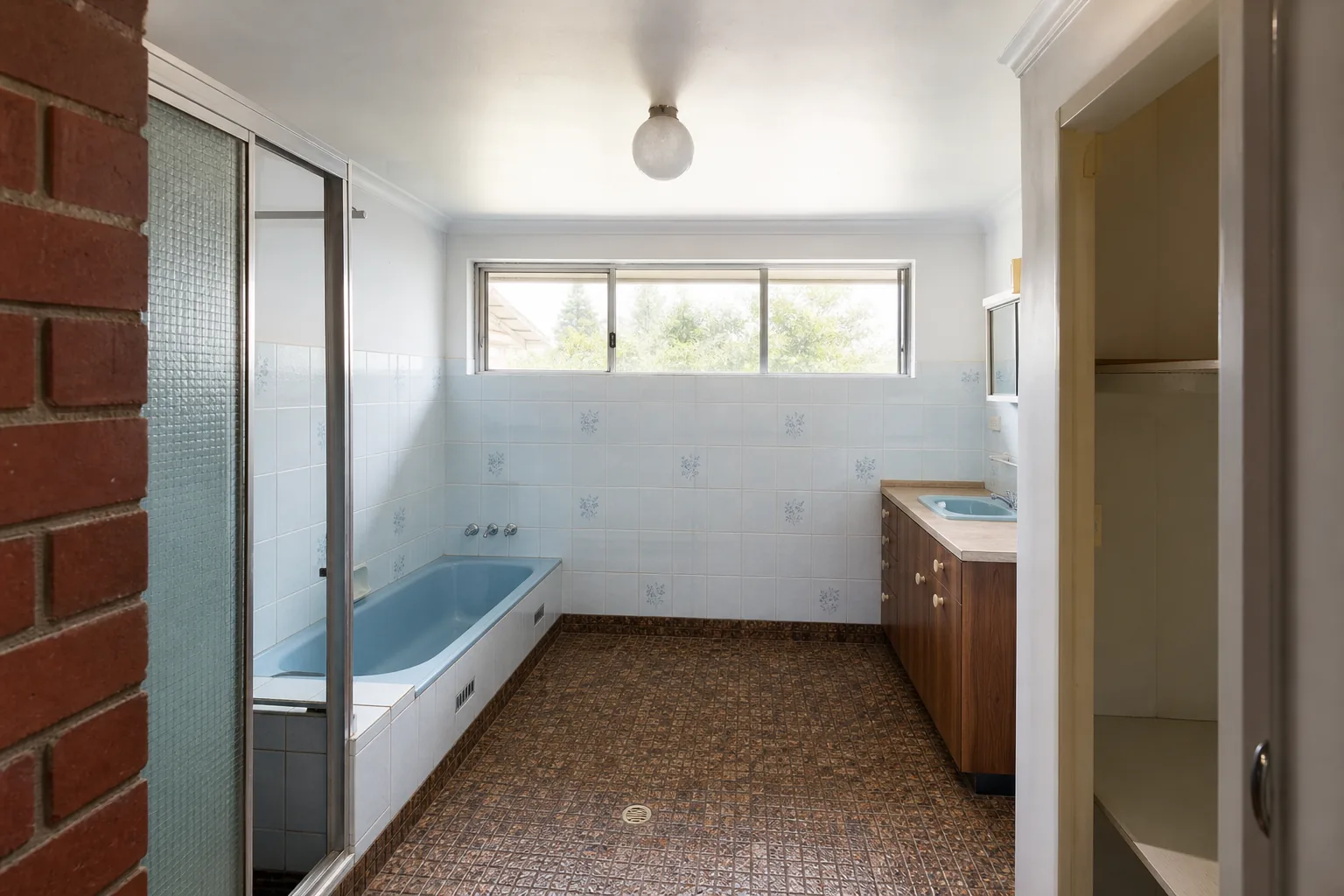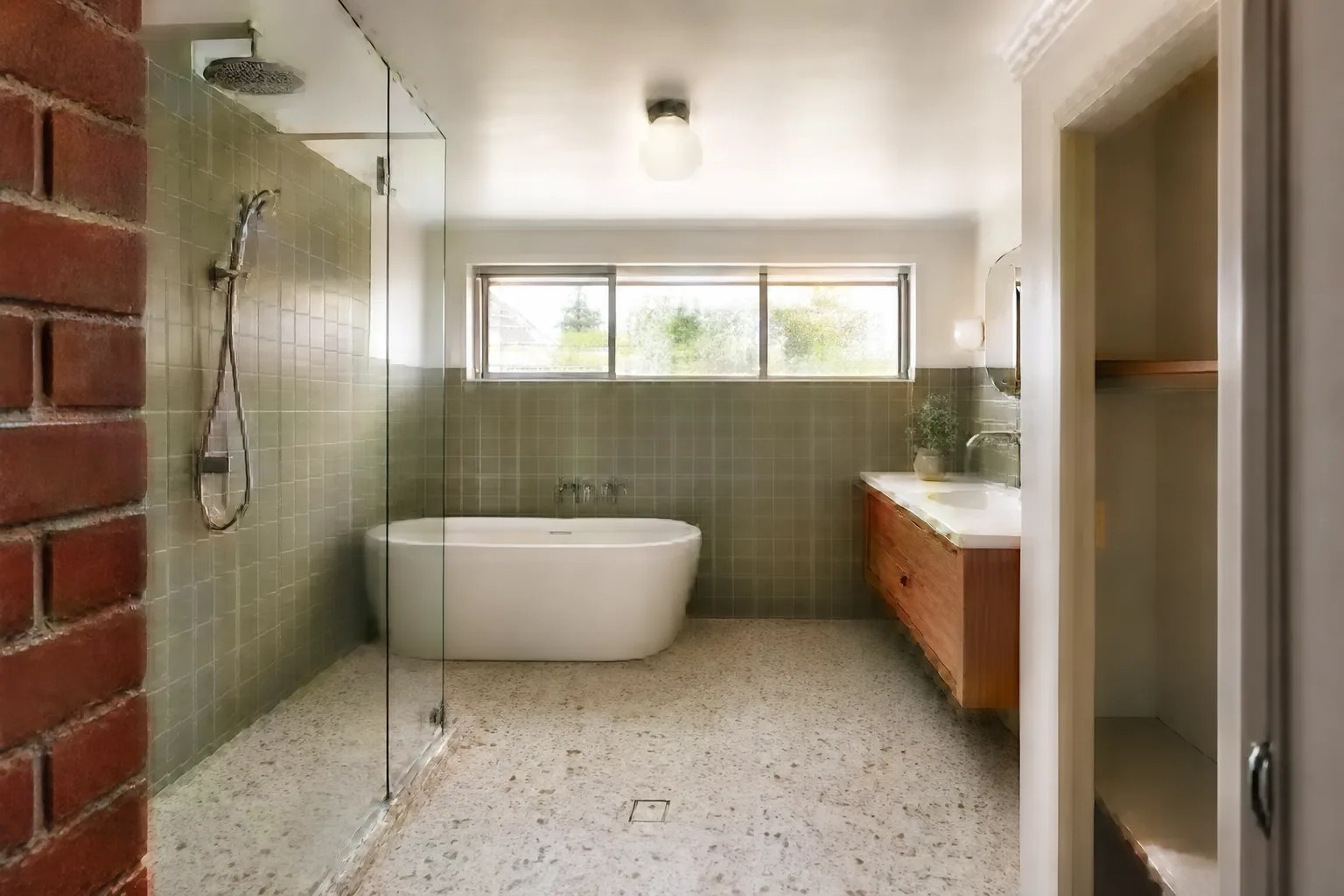
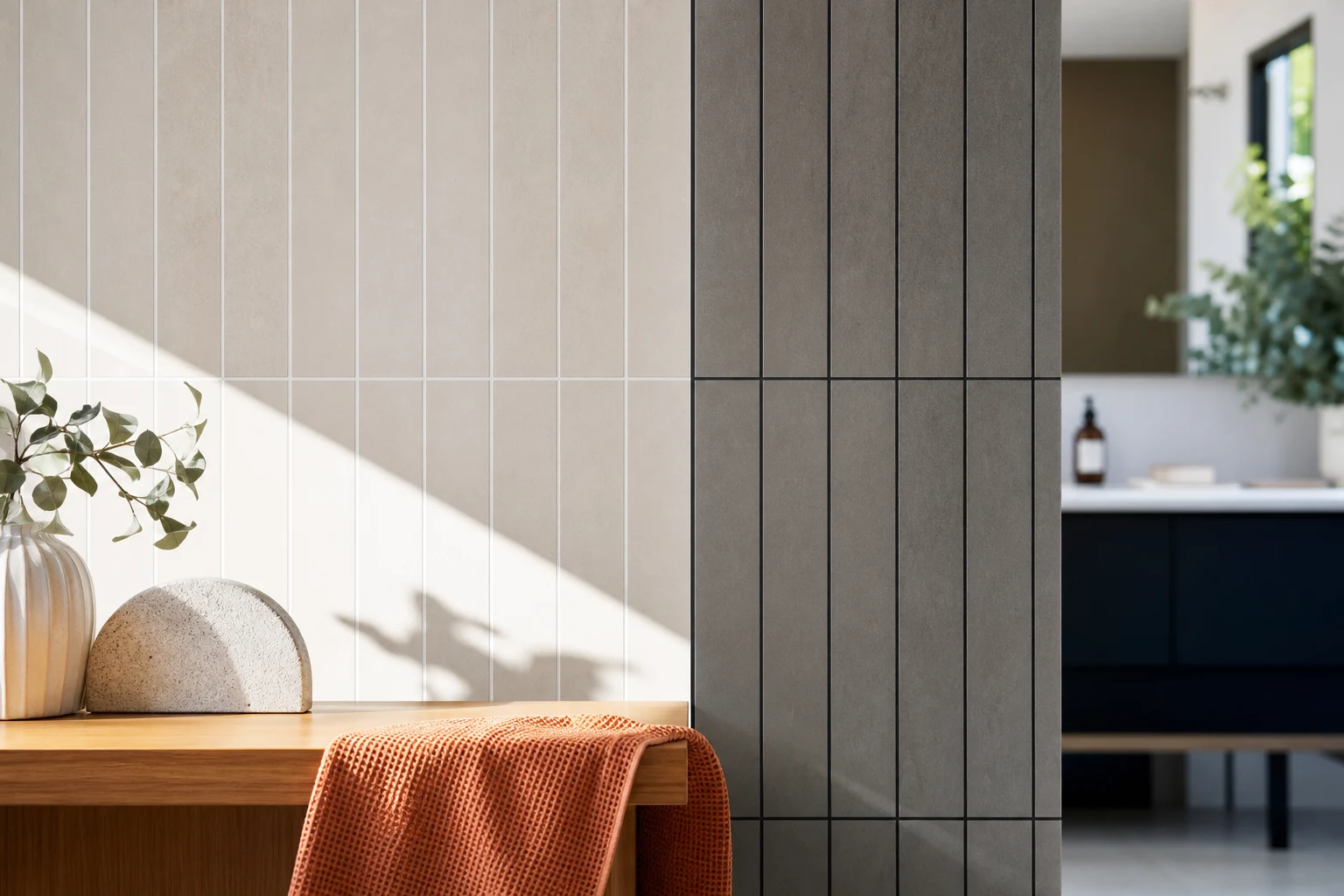
Grout is the decision most homeowners make in thirty seconds at the end of a tile appointment, and it is one of the decisions they notice every single day afterwards. The colour changes how a whole room reads, the type determines how the wet areas age, and the joint width affects both the look and the labour bill. For a material that costs a tiny fraction of the renovation, grout punches far above its weight.
This guide covers the practical side: cement versus epoxy versus hybrid products, how to choose colour deliberately rather than by default, what joint widths suit which tiles, and where spending more on grout genuinely pays back in a Melbourne bathroom, laundry or kitchen splashback.
In this guide
Why Grout Deserves More Than Thirty Seconds
Grout does three jobs at once. Structurally, it locks tiles into a unified surface and accommodates tiny movements. Practically, it seals the gaps against water and grime. Visually, it either disappears into the tile or draws a grid across every surface in the room.
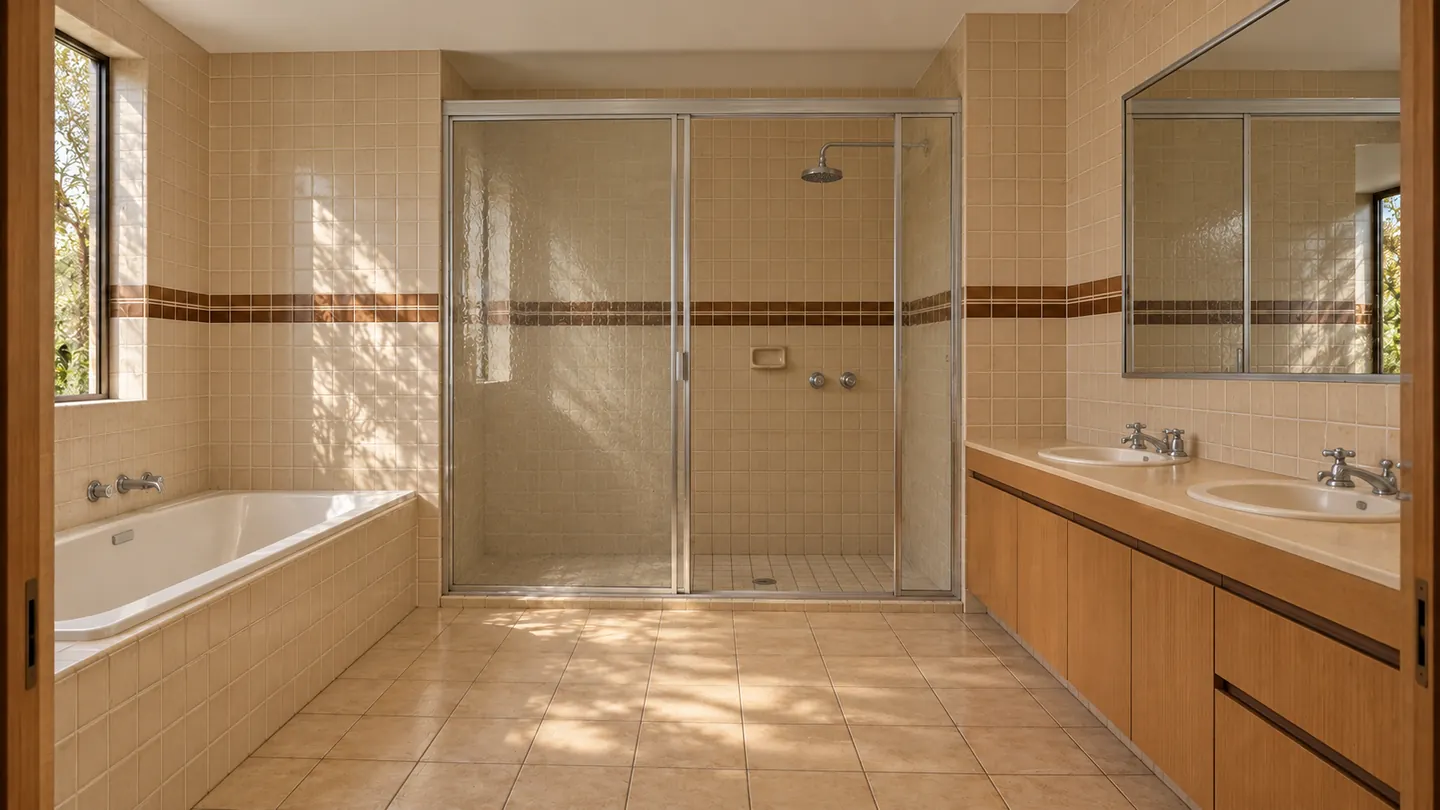
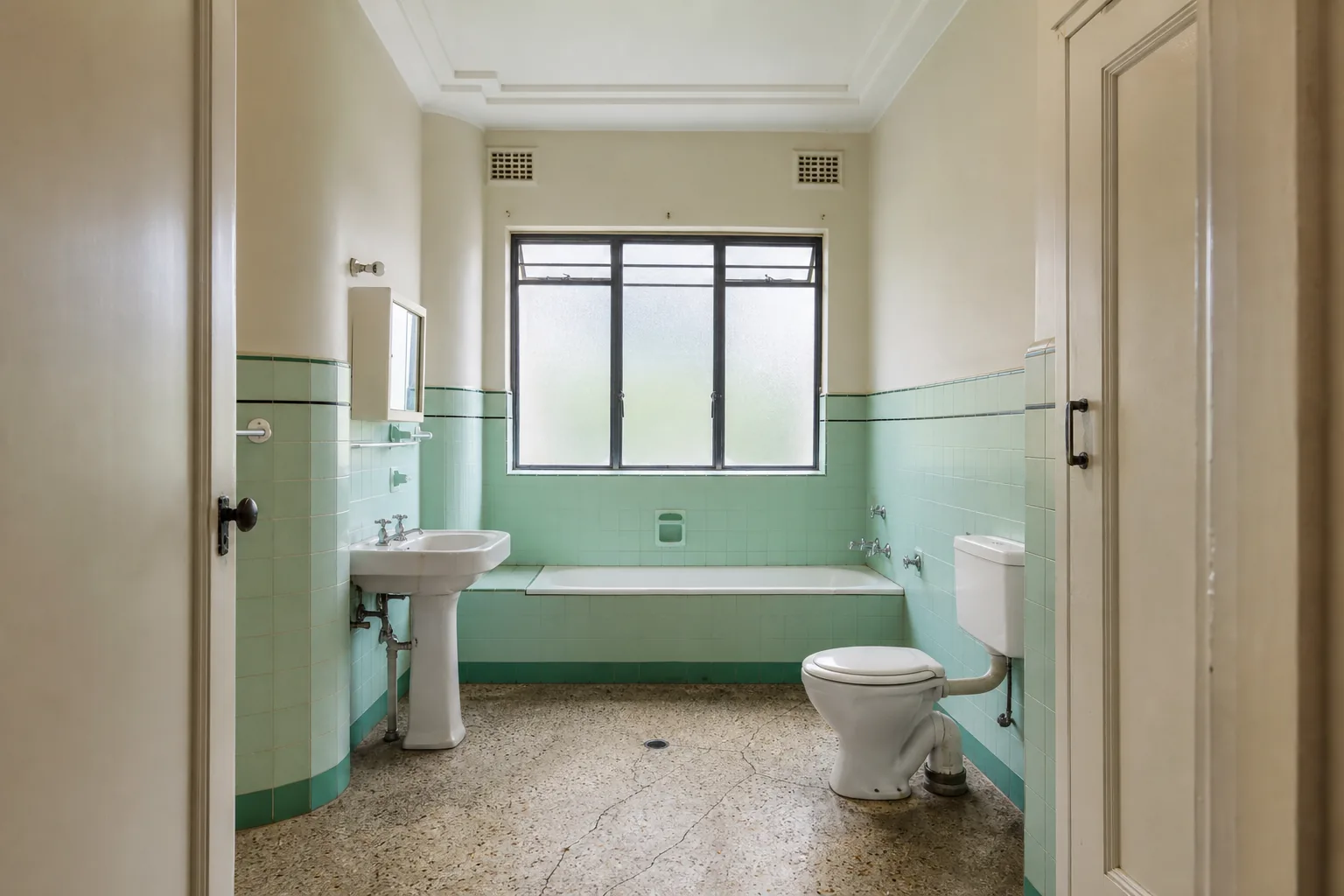
It is also the first thing to look tired. Tiles from the 1990s often still look fine in Melbourne homes we strip out; the grout around them rarely does. Discolouration, patchy old repairs and mould staining age a room faster than the tiles themselves. That is why the type of grout, not just the colour, deserves real consideration, particularly in showers where the material lives under daily water and cleaning chemicals.
- Low cost, high visibility: Grout is typically a few hundred dollars of material in a whole bathroom, yet appears on every tiled surface.
- Hard to change: Regrouting later is slow, messy work. Getting it right once is far cheaper.
Cement, Epoxy and Hybrid Grouts Compared
The grout aisle sorts into three families, and the differences show up years later rather than on day one.
| Type | Relative Cost | Strengths | Weaknesses |
|---|---|---|---|
| Standard cement grout | Baseline | Cheap, easy to work, easy to repair, huge colour range | Porous; stains and harbours mould unless sealed and maintained |
| Polymer-modified cement | Slightly above baseline | Better water and stain resistance, more consistent colour, good all-rounder | Still benefits from sealing in showers |
| Epoxy grout | Roughly 3-5x material cost plus higher labour | Non-porous, stain-proof, mould-resistant, colour never washes out, no sealing | Harder to install, unforgiving on textured tiles, costly to remove |
| Hybrid/ready-mixed premium grouts | Between modified cement and epoxy | Much of the stain resistance with easier workability | Product quality varies; check wet-area suitability |
Our standard advice: polymer-modified cement grout through most of the house, and serious consideration of epoxy in the shower, on shower floors and behind kitchen cooktops, which are the highest-abuse grout zones in any home.
Colour Strategy: Match, Blend or Contrast
Grout colour is a design decision with three honest options, and the right one depends on what you want the tiles to do.
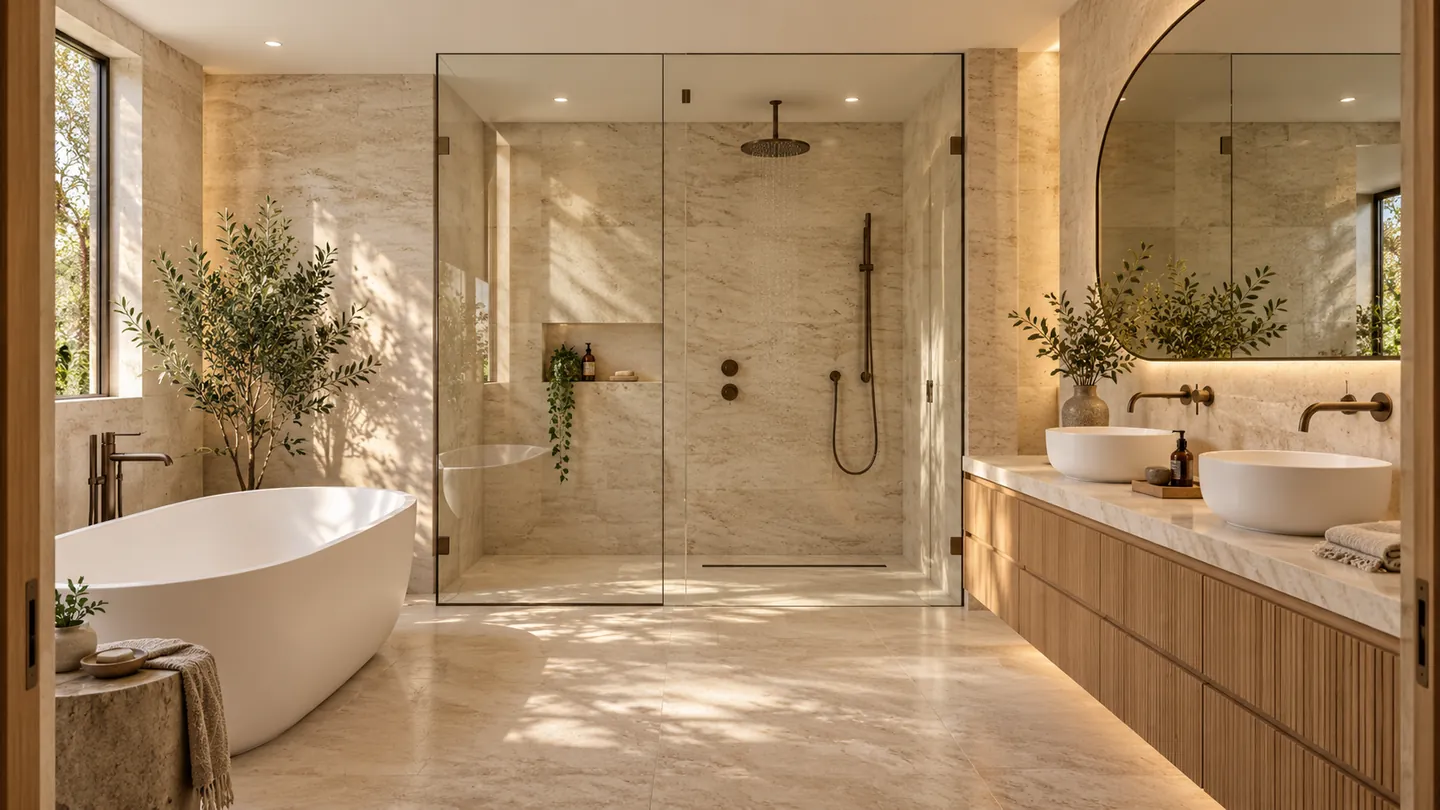
- Match: Grout within a shade of the tile makes the surface read as continuous. This is the default for large-format porcelain, stone-look tiles and terrazzo, where the tile pattern should dominate and joints should vanish.
- Blend: A grout one or two shades darker than the tile softens the grid without hiding it, and it is far more forgiving of real-world dirt than a perfect match in white.
- Contrast: Dark grout on light tiles, or the reverse, turns the joint pattern into the feature. It suits subway tiles, finger tiles and handmade-look formats, and it is the most practical choice for floors because it hides traffic staining.
The most common regret we see is bright white grout on white floor tiles. It looks superb at handover and shows every footprint within months. If you want a white floor, choose a light grey or warm off-white grout and thank yourself later. Always ask your tiler to do a test joint on an offcut before committing the whole room.
Joint Widths and Tile Format
Joint width changes both the look and the tolerance of a tiled surface. Narrow joints look sleek and contemporary but demand flatter substrates and more precise tiles; wider joints absorb variation and suit handmade or rustic formats.
- Rectified porcelain: Machined edges allow tight joints, commonly around 1.5mm to 3mm. Crisp and modern, but the substrate preparation must be excellent.
- Standard pressed tiles: Typically 3mm to 5mm joints to absorb small size variations between tiles.
- Handmade-look and zellige-style tiles: Wider, slightly irregular joints are part of the aesthetic, and fighting that with tight joints usually ends badly.
- Floors: Joints narrower than about 3mm on floors leave little room for grout to pack fully, which can weaken the joint over time.
Movement joints matter too. Larger tiled areas and junctions between walls and floors need flexible silicone rather than rigid grout, colour-matched to the grout so the change is invisible. Grout in a junction that needs silicone will crack, and cracked grout in a shower is a water path.
Showers and Floors: Where Grout Works Hardest
The shower is the grout torture test: daily soaking, soap residue, harsh cleaners and temperature swings. This is where cheap grout fails first and where epoxy or premium hybrid products earn their cost difference. A typical Melbourne shower might need only a few hundred dollars more in material and labour to move from standard cement to epoxy grout, against a regrout job costing well over a thousand dollars a few years sooner.
Shower floors deserve special mention. Mosaic and small-format tiles on shower floors mean a high proportion of grout in the surface, all of it underfoot and underwater daily. Epoxy is at its most valuable here. On bathroom floors more broadly, mid-tone grout hides the traffic patterns that destroy light grout, and floor grout should never be chosen on looks alone.
Laundries and kitchen splashbacks follow the same logic in milder form: behind a cooktop, stain-proof grout means tomato splatter and oil never become permanent features.
Sealing and Maintenance Realities
Cement-based grouts are porous and benefit from a penetrating sealer once cured, typically applied a couple of weeks after grouting and refreshed every one to two years in wet areas. Sealing does not make grout bulletproof; it buys you time to wipe up staining before it penetrates.
- Cleaning: pH-neutral cleaners preserve both grout and sealer. Bleach-heavy products whiten grout short-term while degrading it long-term, and acidic cleaners eat cement grout outright.
- Ventilation: Most black grout mould in Melbourne bathrooms is a ventilation problem wearing a grout costume. A properly ducted exhaust fan protects grout better than any cleaning product.
- Epoxy: Needs no sealing and wipes clean, which is precisely why it wins in showers despite the upfront cost.
If you inherit tired grout in an otherwise sound bathroom, professional regrouting is a legitimate mid-life refresh, but it only makes sense when the waterproofing beneath is still performing.
Common Grout Mistakes We Get Called to Fix
The same handful of grout problems appear again and again in Melbourne homes, and almost all of them were avoidable at specification stage.
- White floor grout: The single most regretted selection. Choose light grey or greige for light floors.
- Grout where silicone belongs: Rigid grout in wall junctions, around baths and along shower screens cracks and lets water travel.
- Colour chosen from a dry chart: Grout dries lighter or darker than the wet sample suggests. Judge from a cured test patch, not the brochure.
- Epoxy applied by an inexperienced installer: Epoxy sets fast and hazes badly if worked slowly. Use a tiler who installs it regularly.
- Ignoring grout in the quote: Confirm the grout type and brand in your renovation quote. An unspecified allowance usually means the cheapest cement product on the shelf.
Grout is one of the few renovation decisions where the best option costs hundreds rather than thousands more. It is the cheapest upgrade in the room with the longest payback.
Take these ideas with you.
- Grout type matters more than colour for longevity, and epoxy earns its premium in showers and on shower floors
- Matching grout hides joints and suits large-format tiles, while contrast grout makes small formats a feature and hides floor traffic
- Bright white grout on floors is the most regretted selection in renovating, so choose light grey or off-white instead
- Junctions and movement points need colour-matched silicone, not grout, or cracks and water paths follow
- Confirm the grout type and brand in your quote, because an unspecified allowance usually means the cheapest product available
A few more answers
Questions about your next step.
How much should I budget for a kitchen renovation in Melbourne?
Budget depends on layout changes, cabinetry level, benchtop choice, appliance scope and trade complexity. Fixed-layout refreshes sit much lower than structural redesigns with new services.
What kitchen upgrades usually add the most practical value?
Better drawer storage, smarter appliance placement, durable benchtops, layered task lighting and a well-sized rangehood tend to outperform cosmetic-only upgrades.
How long does a kitchen renovation usually take?
Most kitchens run over several weeks. Cabinetry manufacturing, stone templating and trade sequencing usually matter more than the demolition day.
Put your ideas into a plan
Turn this cost guide into a real number
A useful quote names layout, services, finish level and exclusions. We measure in the house, then price the room you actually have.
Want every finish decision, right down to the grout, made deliberately instead of by default? That is how we run our projects. See our bathroom renovation service.