Renovating an investment property is a different discipline from renovating your own home, and the investors who do it well never confuse the two. The owner-occupier optimises for personal taste and daily pleasure; the investor optimises for rent achieved, vacancy avoided, maintenance minimised and value added, all against a budget that must answer to a return calculation rather than a feeling.
Melbourne adds its own layers: rental minimum standards under Victorian tenancy law that make certain works mandatory rather than optional, a tenant market that rewards specific features and ignores others, and suburb-by-suburb rent ceilings that cap what any renovation can achieve. This guide sets out where the money should go, where it should not, and how to run the numbers like the business decision it is.
In this guide
Start With the Numbers, Not the Mood Board
Every investment renovation should begin with three numbers established before any scope is written.
- The suburb rent ceiling: What do the best comparable rentals in the immediate area achieve per week? No renovation pushes rent meaningfully past what the street and suburb support, so this number caps the sensible spend.
- The rent lift estimate: Conservative advice from local property managers on what specific upgrades add per week. Property managers see what tenants actually pay for, and their answers are usefully unsentimental.
- The payback test: Annualised rent lift plus any vacancy reduction, weighed against the renovation cost. Many investors use a simple threshold: works should recover their cost through added rent within a defined number of years, commonly five to eight, unless they also add clear capital value or are required for compliance.
This framing changes decisions immediately. A $4k paint-and-refresh that adds $30 a week clears the test easily. A $60k designer kitchen in a suburb whose rent ceiling adds only $40 a week does not, however good it would look. The mood board serves the numbers, never the reverse.
Victorian Compliance: The Non-Negotiable Baseline
Victoria's rental minimum standards and safety obligations define a compliance floor that renovation planning must incorporate before any discretionary spend. Key items investors must account for include:
- Rental minimum standards covering functioning heating in the main living area (with efficiency expectations that have tightened over time), working deadlocks on external doors, window coverings in habitable rooms, ventilation, sanitary facilities, and structural soundness and weatherproofing.
- Safety checks: Electrical and gas installations require safety checks by licensed practitioners on a recurring cycle, and smoke alarms must be maintained and tested.
- Pool and other specific obligations where applicable to the property.
The renovation implication is straightforward: fold compliance works into the project while trades are on site, because a sparky rewiring a kitchen can complete switchboard and safety upgrades for marginal cost, whereas a separate compliance visit later bills in full. Investors renovating older stock should assume the switchboard, heating and locks conversation is part of the scope, and treat any quote that ignores compliance as incomplete. Regulations evolve, so confirm current requirements through Consumer Affairs Victoria or your property manager at planning time.
Where Spending Lifts Rent: The Proven List
Tenant behaviour is consistent, and the upgrades that reliably lift rent and cut vacancy in Melbourne are well established.
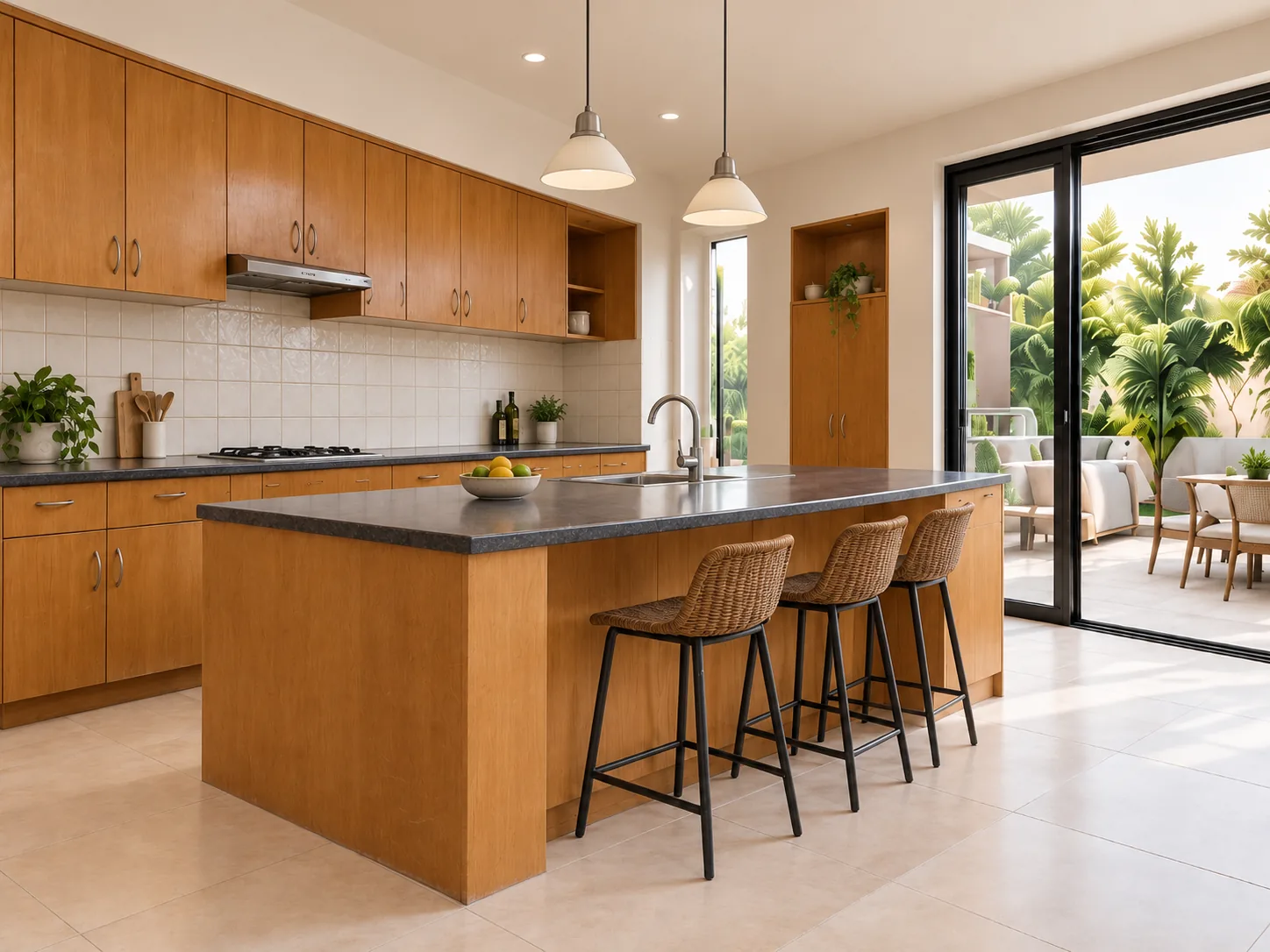
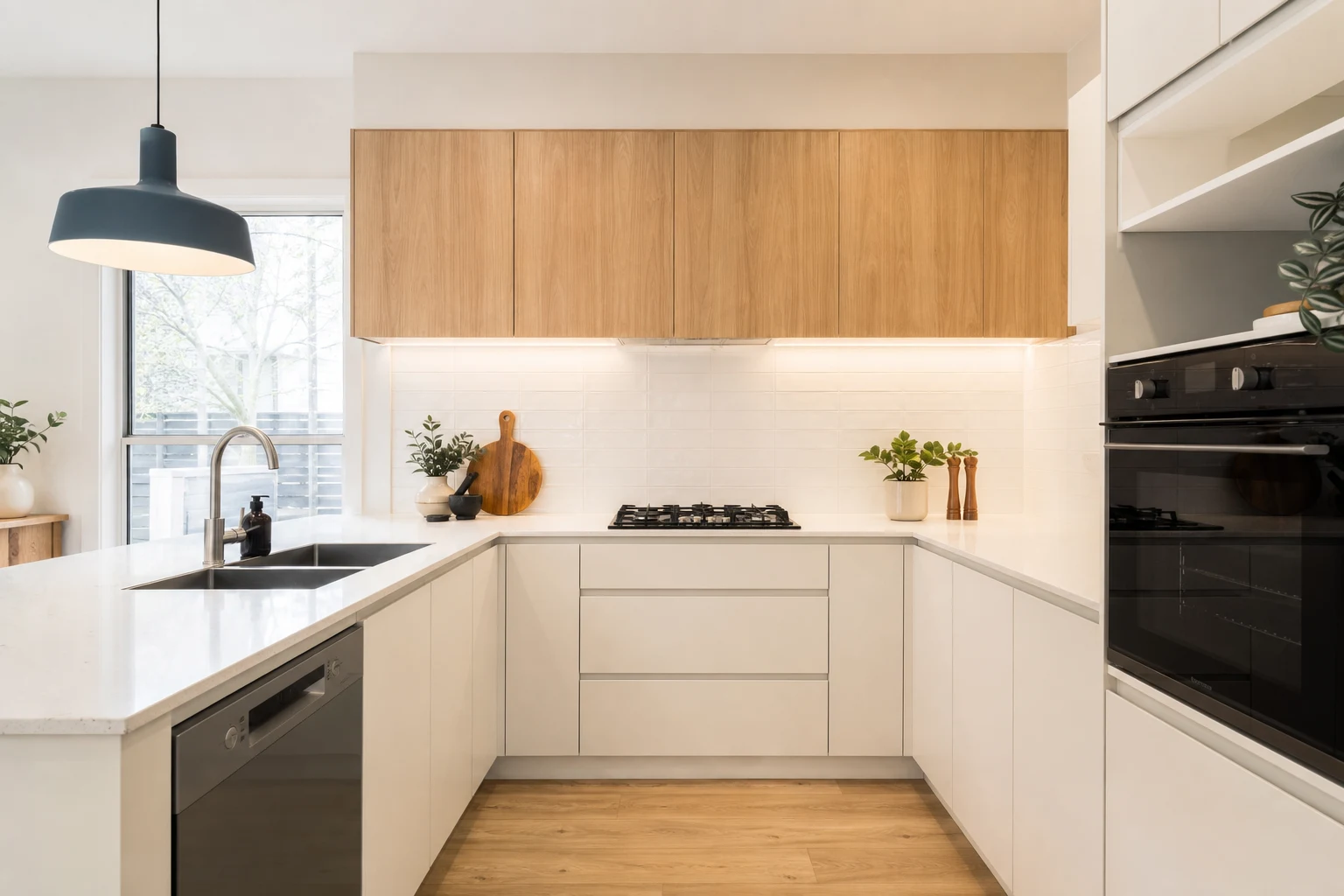
- Kitchens, done modestly: A clean, functional kitchen with decent storage, a dishwasher and a presentable benchtop moves rent. Tenants notice dishwashers, working rangehoods and bench space; they do not pay extra for stone thickness or designer tapware.
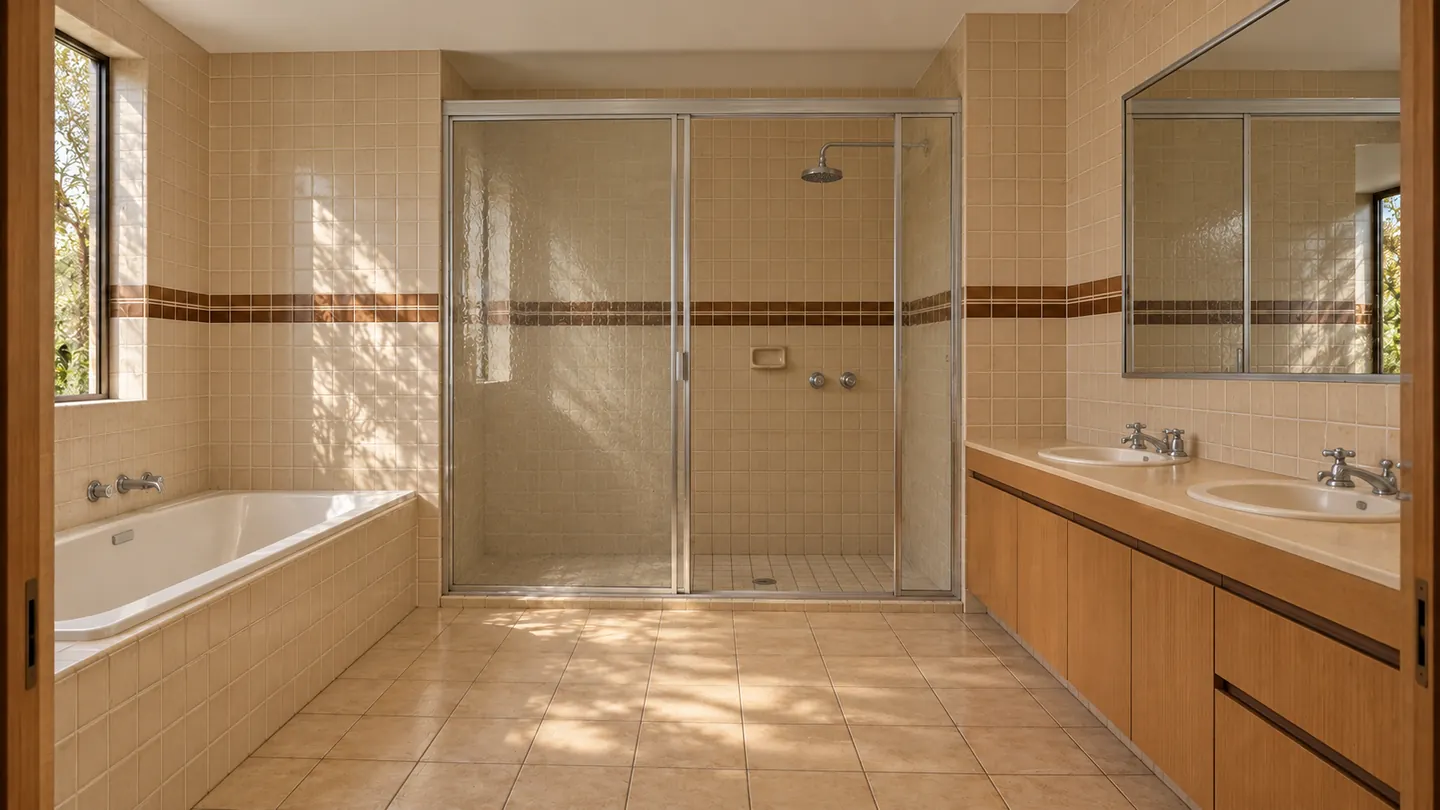
- Bathrooms, refreshed rather than rebuilt: Re-grouted or resurfaced surfaces, a new vanity, decent shower pressure and an exhaust fan that works. Full strip-outs are for bathrooms that are genuinely failed, not merely dated.
- Heating and cooling: A reverse-cycle split system in the living area is now baseline tenant expectation in Melbourne, and bedrooms with cooling rent faster in summer campaigns.
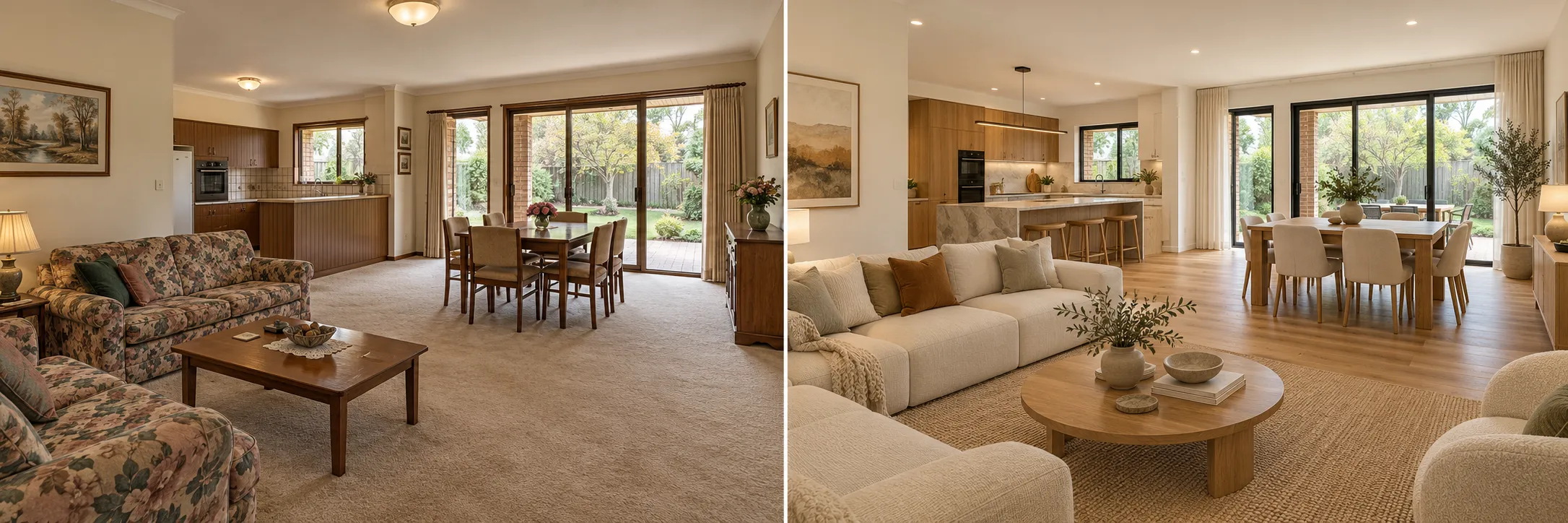
- Paint and floors: Fresh neutral paint throughout and durable, consistent flooring lift every photo in the listing for modest cost.
- Light and laundry: Bright LED lighting, and an internal laundry or at least a proper laundry nook, both photograph and inspect well.
- A second toilet or ensuite where the floor plan allows it cheaply, because bathroom count moves rent brackets in family suburbs.
The common thread is function over finish: tenants pay for things that work well and inspect cleanly, not for premium materials.
Where Spending Is Wasted: The Equally Proven List
The savings side of the ledger matters as much, because every wasted dollar extends payback.
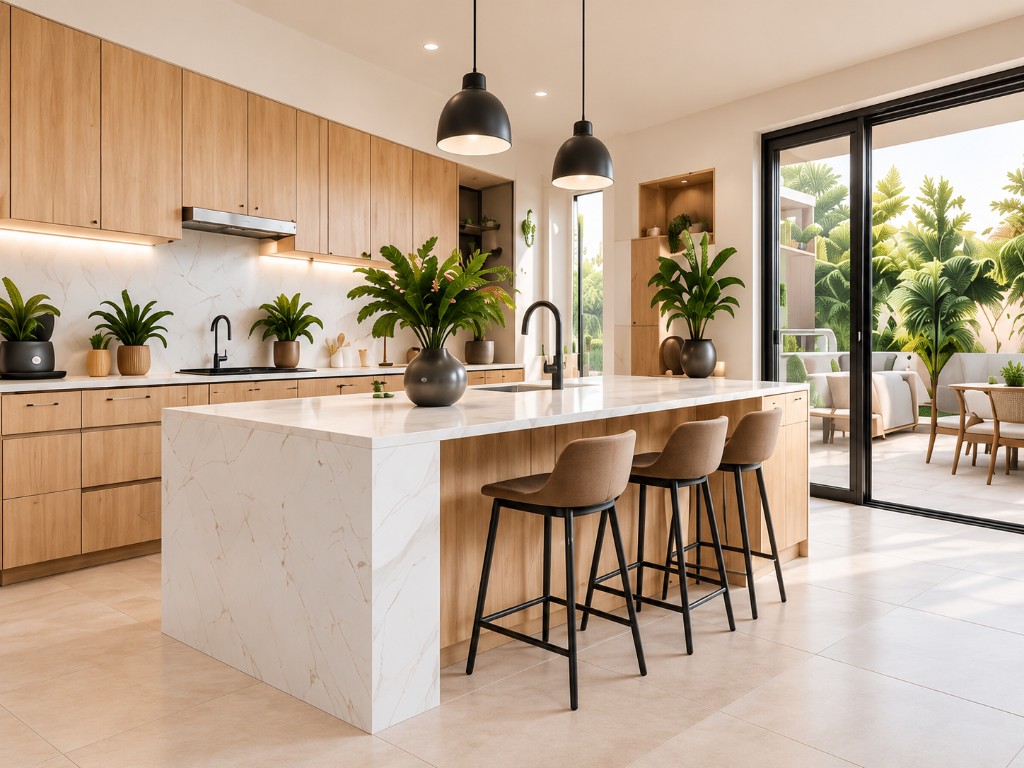
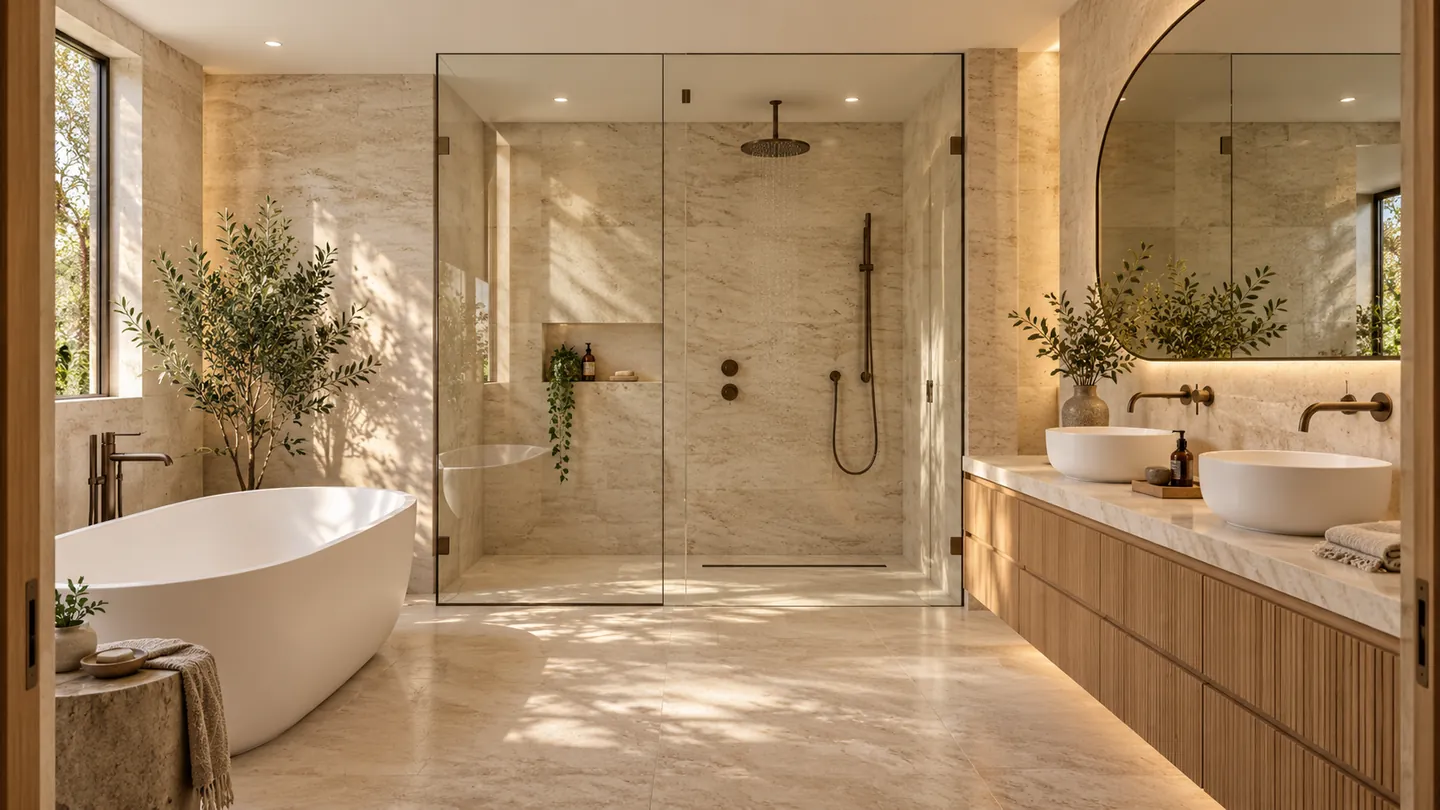
- Premium finishes: Stone waterfalls, designer pendants, imported tiles and custom joinery detail return almost nothing in rent and cost real money. Mid-range, durable equivalents photograph nearly identically.
- Over-personalised design: Bold colours and strong stylistic choices narrow the tenant pool. Neutral is not timid in a rental; it is correct.
- Structural reconfiguration without a rent case: Moving walls, relocating plumbing or extending rarely pays back through rent alone. The exception is adding a bedroom or bathroom within the existing footprint, which can shift the property up a rent bracket, so those specific moves deserve pricing.
- Landscaping beyond tidy: Tenants value low-maintenance outdoor space, not designed gardens they must maintain.
- Anything the suburb ceiling cannot reward: The best kitchen in a street caps out at the street's rent, and spend above that line is a gift to the tenant.
A useful discipline is writing down, for each line item, the weekly rent figure it is expected to add. Items with no defensible number are candidates for deletion, and the exercise takes an hour that routinely saves five figures.
Durability: The Investor Specification
Rental properties endure harder service than owner-occupied homes, and material selection should assume it. The investor specification favours products that survive tenant turnover and clean up well between leases.
- Flooring: Hybrid or quality laminate planks through living zones, and carpet only in bedrooms if at all. Hard flooring survives pets, parties and furniture moves that destroy carpet.
- Benchtops: Quality laminate or entry engineered surfaces handle heat and impact adequately at a third of premium pricing, and are cheap to replace after a decade of service.
- Paint: Washable low-sheen acrylics in one consistent neutral across the property, which makes touch-ups between tenancies fast and invisible.
- Tapware and hardware: Mid-range branded items with available spare parts beat both cheap imports that fail and premium lines that cost triple to replace.
- Window coverings: Simple, robust blinds rather than curtains, meeting the minimum standards requirement while surviving years of use.
Every selection should pass the same question: how will this look after three tenancies, and what does it cost to make good? Products chosen this way quietly compound returns through lower maintenance and faster re-letting for a decade.
Budget Tiers and What They Buy
Investment renovations in Melbourne cluster into recognisable tiers, each suited to a different property condition and strategy.
| Tier | Typical Spend | Scope | Typical Weekly Rent Impact |
|---|---|---|---|
| Refresh between tenancies | $8k-$20k | Paint, floor coverings, lighting, blinds, hardware, deep maintenance | Commonly $20-$50, plus faster leasing |
| Functional upgrade | $25k-$60k | Kitchen and bathroom refresh, splits installed, compliance works, refresh items | Commonly $50-$120 |
| Full renovation | $70k-$150k | New kitchen and bathrooms, services renewal, flooring throughout, full repaint | Commonly $100-$250 where the suburb supports it |
| Reposition | $150k+ | Added bedroom or bathroom, layout correction, whole-property renewal | Bracket change, assessed case by case |
Rent impacts are indicative and entirely suburb-dependent, which is why the property manager conversation precedes the scope. Note also that renovation works on investment properties carry tax treatment considerations, with capital works and depreciation treated differently from repairs, so a conversation with your accountant and a quantity surveyor's depreciation schedule belong in the project plan.
Execution: Timing, Vacancy and the Right Team
Investment renovation economics are unusually sensitive to time, because every week of works is a week of lost rent stacked on top of the construction cost. The execution disciplines that protect returns:
- Renovate in vacancy windows: Plan works between tenancies, with materials ordered and trades booked before the outgoing tenant leaves, so the property re-lists in weeks rather than months.
- Scope tightly and change nothing mid-works: Variations cost double on fast projects. The numbers were run on a scope; hold it.
- Use a builder who works to investor briefs: A team that understands the property must lease quickly, meet rental compliance and hit a budget behaves differently from one delivering a dream home, in selections, sequencing and pace.
- Photograph and document everything: Completion photos become listing photos, and documented compliance work, including safety check records and permit paperwork, protects the asset at every future sale or insurance event.
- Let the property manager pre-market: Listing during the final fortnight of works, with quality photos, routinely eliminates vacancy entirely.
Run this way, a well-chosen renovation lifts rent, cuts maintenance calls and improves the quality of tenant the property attracts, which is the quiet third return that experienced Melbourne investors value most.
Take these ideas with you.
- Establish the suburb rent ceiling and expected rent lift per item before writing any scope
- Victorian rental minimum standards and safety checks define mandatory works to fold in while trades are on site
- Kitchens, bathrooms, heating and cooling, paint and floors lift rent; premium finishes and personalised design do not
- Specify for durability across multiple tenancies, because maintenance savings compound the return
- Execute in vacancy windows with a locked scope, and pre-market during the final weeks of works
A few more answers
Questions about your next step.
How much should I budget for a kitchen renovation in Melbourne?
Budget depends on layout changes, cabinetry level, benchtop choice, appliance scope and trade complexity. Fixed-layout refreshes sit much lower than structural redesigns with new services.
What kitchen upgrades usually add the most practical value?
Better drawer storage, smarter appliance placement, durable benchtops, layered task lighting and a well-sized rangehood tend to outperform cosmetic-only upgrades.
How long does a kitchen renovation usually take?
Most kitchens run over several weeks. Cabinetry manufacturing, stone templating and trade sequencing usually matter more than the demolition day.
Put your ideas into a plan
Check feasibility before you lock a quote
Council overlays, access and existing services change the job. Bring the property constraints in before finish selections harden.
Renovating a rental and want a team that works to investor numbers, timelines and compliance requirements? See our full home renovation service or call 1300 173 622 for a scoped, itemised quote.