
Storage problems in kitchens are rarely caused by a lack of cupboards alone. They usually come from storing the wrong things in the wrong zones, relying on deep shelves instead of usable internals, and treating pantry design as an afterthought.
This guide focuses on storage decisions that improve daily kitchen function in real Melbourne homes: where to use drawers, when pull-outs are worth the spend, and how to stop tall cabinetry from becoming expensive dead space.
In this guide
Plan Storage by Task Zone
The smartest kitchens group storage around what happens in each part of the room.
- Prep zone: knives, boards, oils, spices and waste handling close together
- Cooking zone: utensils, pans, lids and frequently used ingredients nearby
- Cleaning zone: bins, cleaning products and dishwasher storage integrated logically
- Bulk storage zone: pantry, overflow appliances and low-frequency items separated from daily prep areas
When zones are planned well, the kitchen feels larger even if the room size does not change.
Drawers Usually Beat Cupboards
Deep drawers often deliver more usable storage than low cupboards because the full contents come to you instead of disappearing at the back of a shelf.
- Pot drawers reduce bending and improve visibility.
- Internal dividers keep utensils, spices and containers from collapsing into clutter.
- Different drawer depths should be planned around actual item sizes, not guessed late.
For most owner-occupier kitchens, moving budget from extra decorative features into better drawer internals is one of the strongest functional upgrades available.
Pantry and Tall Storage Choices
Tall storage can be brilliant or frustrating depending on the internal design.
- Pull-out pantry systems: good for narrow gaps and frequent-use items.
- Full-height pantry cabinets with internals: suit families storing bulk groceries and appliances.
- Open shelving inside tall cupboards: cheapest option, but easiest to misuse.
If the pantry is hard to scan quickly, it will not stay organised no matter how large it is.
Corners, Overheads and Awkward Space
Awkward kitchen geometry should be solved deliberately instead of ignored.
- Blind-corner hardware can recover value, but only if the access pattern makes sense.
- Ceiling-height cabinets work best when the top tier is reserved for low-frequency items.
- Vertical tray slots and narrow pull-outs can turn filler gaps into useful storage.
Not every awkward corner deserves premium hardware. Sometimes a simpler cabinet run will cost less and function better over time.
Storage Comparison Table
| Solution | Best Use | Strength | Caution |
|---|---|---|---|
| Deep drawers | Pots, pans, containers, plates | Fast visibility and easy daily access | Needs internal organisation to stay tidy |
| Pull-out pantry | Narrow tall spaces and frequent-use groceries | Efficient in tight widths | Can become expensive if used everywhere |
| Ceiling-height cabinetry | Low-frequency bulk storage | Adds serious volume without increasing footprint | Needs discipline or upper shelves become dead space |
When Storage Looks Good but Works Poorly
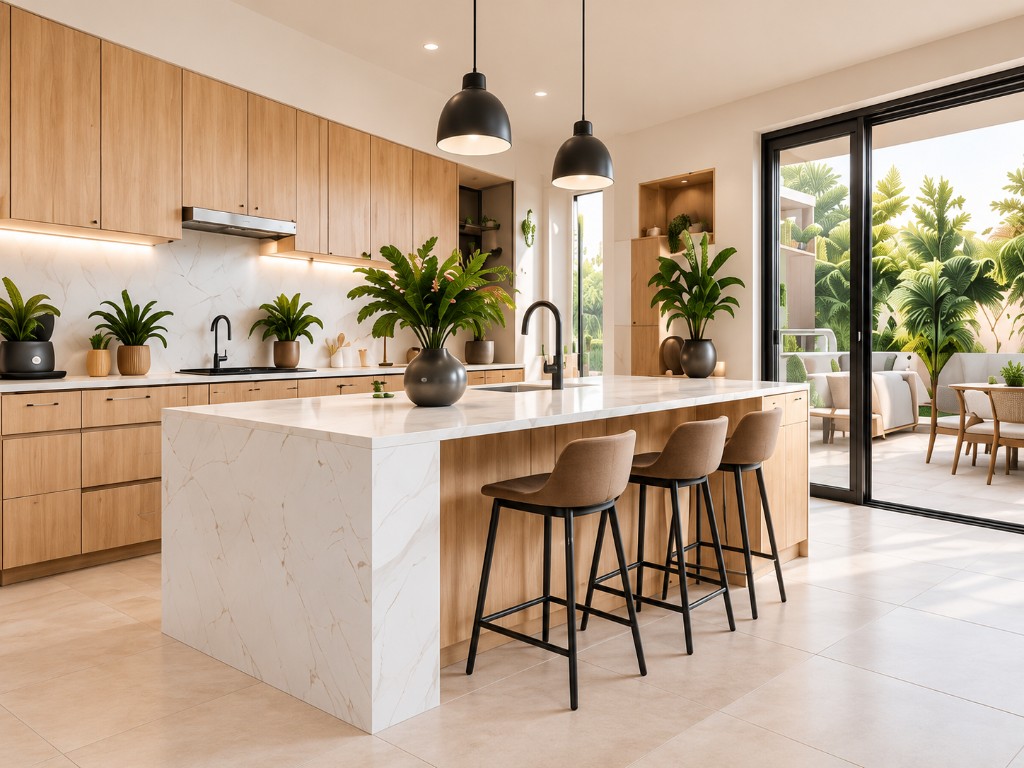
Some kitchens appear highly organised in renders, but perform badly once daily use begins.
- Too many narrow cabinets with no clear purpose
- One oversized pantry but no efficient prep-zone storage
- Beautiful open shelves that become clutter magnets
- Appliance garages that steal bench depth without solving workflow
The strongest storage plans are invisible in daily life because everything important is easy to reach and easy to return.
Take these ideas with you.
- Kitchen storage improves fastest when it is planned by task zone rather than by cabinet count
- Drawers usually outperform cupboards for daily-use items
- Tall storage only works when visibility and access are designed properly
- Premium corner hardware is useful only when the access pattern justifies it
- The best storage is easy to maintain, not just impressive in a showroom
A few more answers
Questions about your next step.
How much should I budget for a kitchen renovation in Melbourne?
Budget depends on layout changes, cabinetry level, benchtop choice, appliance scope and trade complexity. Fixed-layout refreshes sit much lower than structural redesigns with new services.
What kitchen upgrades usually add the most practical value?
Better drawer storage, smarter appliance placement, durable benchtops, layered task lighting and a well-sized rangehood tend to outperform cosmetic-only upgrades.
How long does a kitchen renovation usually take?
Most kitchens run over several weeks. Cabinetry manufacturing, stone templating and trade sequencing usually matter more than the demolition day.
Put your ideas into a plan
Turn this cost guide into a real number
A useful quote names layout, services, finish level and exclusions. We measure in the house, then price the room you actually have.
If your kitchen feels cluttered, the answer is usually better storage logic rather than just more cupboards. Book a kitchen storage consultation.