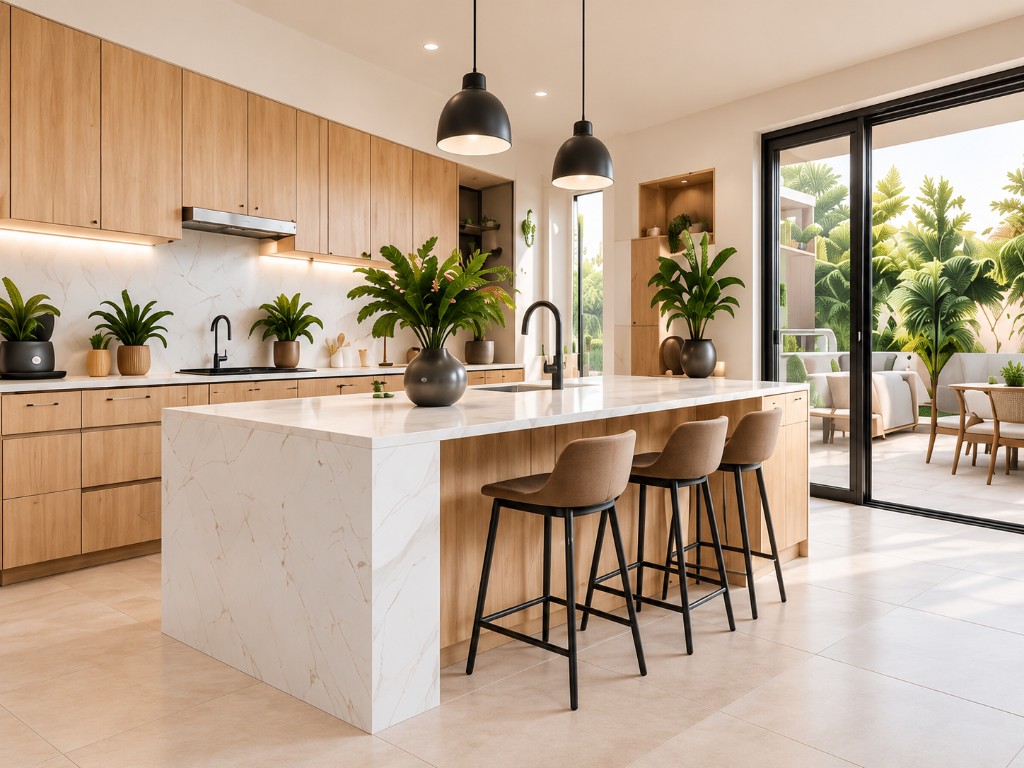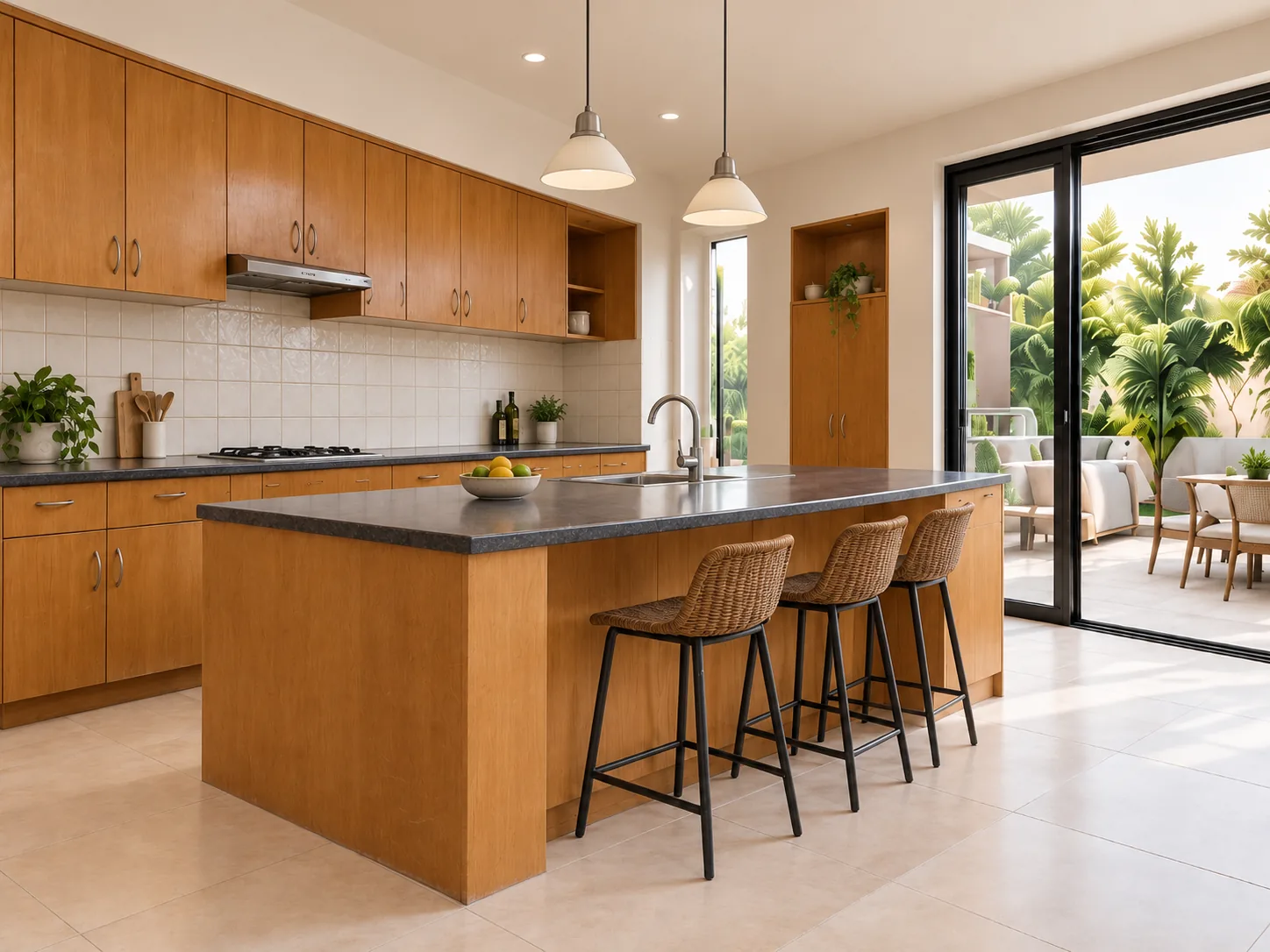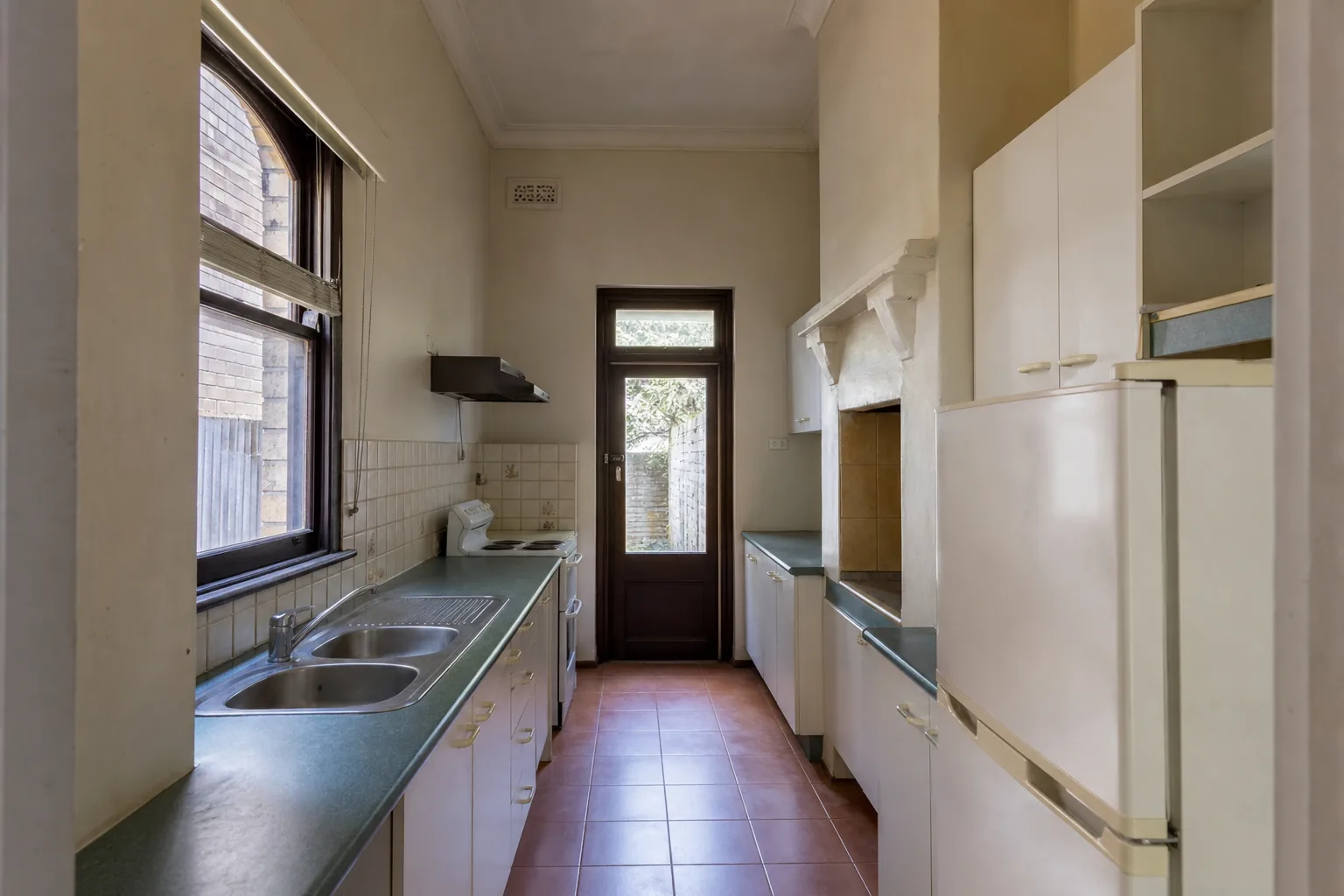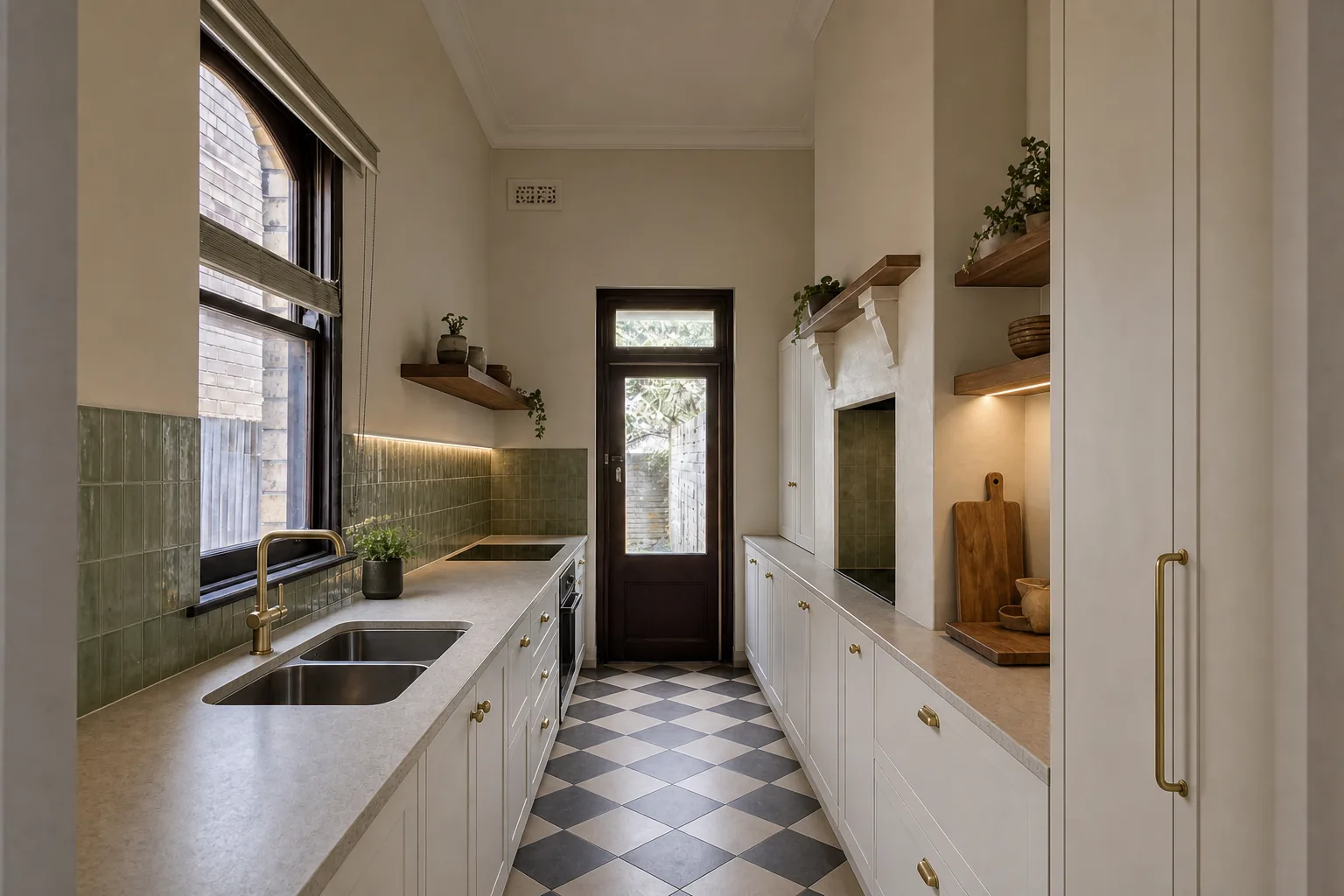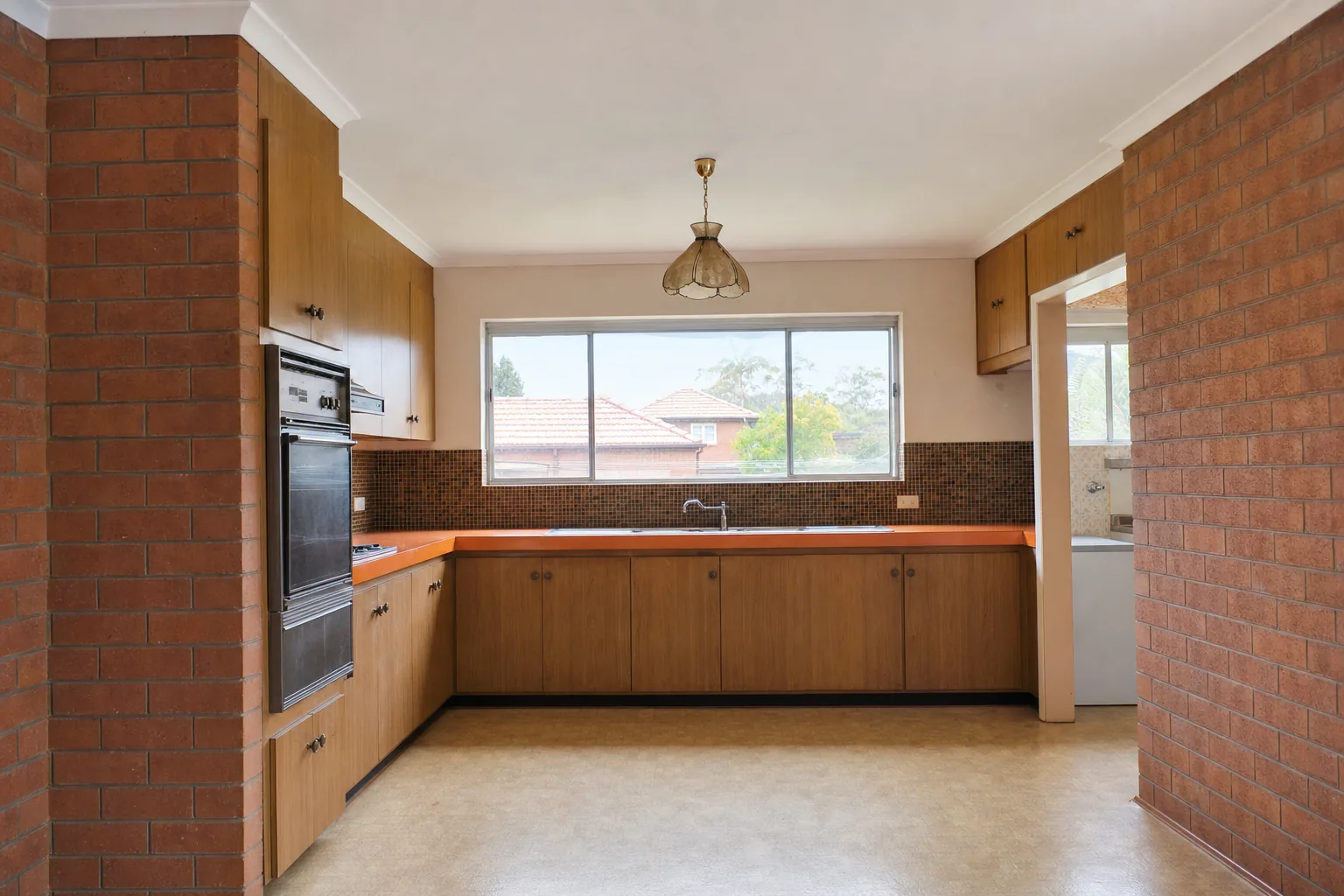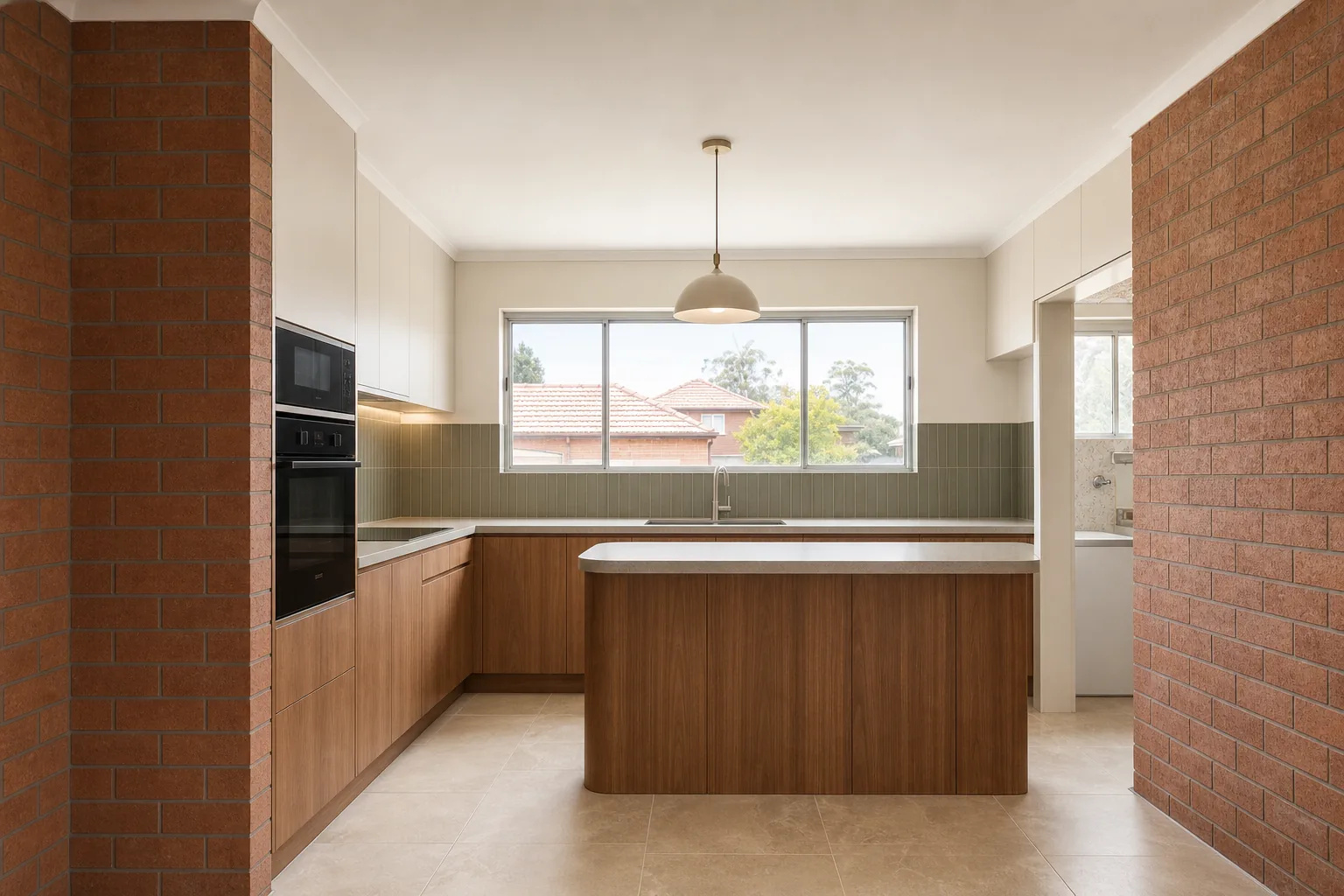
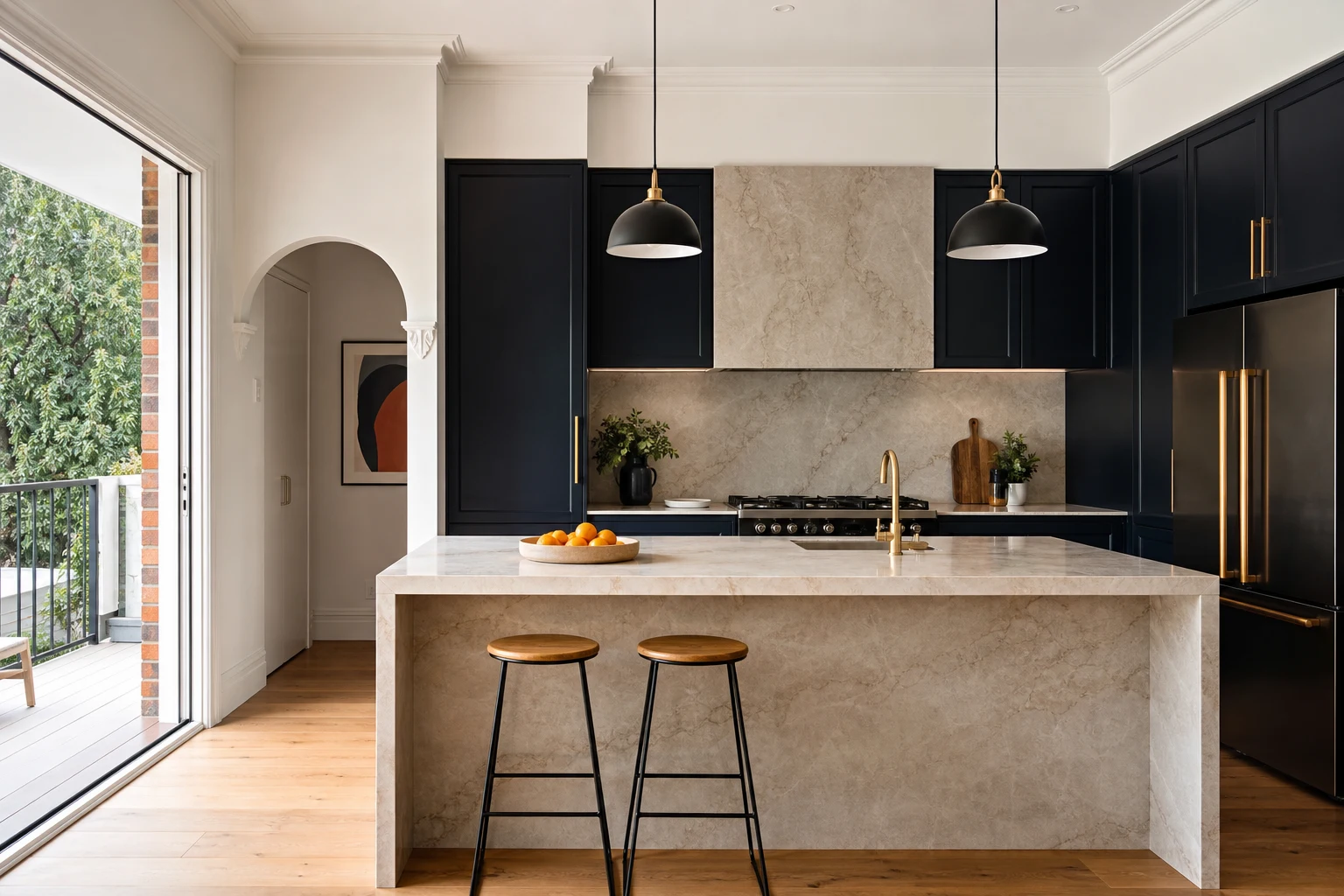
Ask three Melbourne real estate agents what a new kitchen adds to a sale price and you will get three different numbers, but the same underlying logic: kitchens sell homes, dated kitchens discount them, and the return depends far more on suburb, buyer profile and execution than on how much was spent. A $70,000 kitchen in a street with a $900,000 ceiling does not return $70,000. A smart $35,000 kitchen in the same street might return more than it cost.
This guide works through the value question the way a builder who has seen clients sell actually thinks about it: renovate-to-sell versus renovate-to-live, where overcapitalisation genuinely starts, and which specific kitchen decisions buyers reward. No invented percentages presented as facts, just the framework that keeps the spend rational.
In this guide
- The Honest Answer: It Depends on Why You Are Renovating
- What Agents Consistently Report About Kitchens
- Budget Bands and Typical Value Logic
- Overcapitalisation: The Real Rule, Not the Myth
- The Kitchen Decisions Buyers Actually Reward
- Timing, Tenants and the Melbourne Sale Calendar
- Our Rule of Thumb After Years of Melbourne Projects
The Honest Answer: It Depends on Why You Are Renovating
The value question has two completely different versions, and mixing them up is the fastest route to a bad decision.
- Renovate to sell: The kitchen is a marketing asset. The budget should be disciplined, the style broadly appealing, and every dollar judged on whether it lifts the campaign photos and the buyer walk-through. Payback horizon: months.
- Renovate to live: The kitchen is infrastructure for daily life, and resale is a background consideration. Value shows up as a decade of function plus a stronger position whenever you eventually sell. Payback horizon: years of use plus eventual sale support.
Most Melbourne homeowners are honestly in the second category while budgeting as if they are in the first, or the reverse. Deciding which project you are running changes the target budget, the finish level and even the layout ambition, so settle it before design starts.
What Agents Consistently Report About Kitchens
Across campaigns in Melbourne suburbs from the inner north to the outer east, the feedback from selling agents is remarkably consistent, even if exact dollar figures never are.
- Kitchens and bathrooms carry inspections. Buyers forgive a plain bedroom; they mentally price a dated kitchen as a renovation they must fund and manage themselves, usually at an exaggerated cost.
- Buyers overestimate renovation costs. A kitchen a builder would replace for $40,000 is commonly discounted by more than that in buyer thinking, because buyers price in hassle, unknowns and their own time.
- Presentation quality beats specification level. A cohesive mid-range kitchen photographed well typically outperforms a disjointed premium one. Buyers respond to the impression, not the appliance brochure.
- Layout beats finishes. An awkward closed-off kitchen in an open-plan market is a plan problem no splashback can fix.
The practical takeaway: a renovated kitchen removes a buyer objection and a negotiation lever. That is often worth as much as the direct value uplift itself.
Budget Bands and Typical Value Logic
| Approach | Typical Spend | Value Logic | Risk |
|---|---|---|---|
| Cosmetic refresh for sale | $8k-$20k | Removes the dated-kitchen objection cheaply; strong for campaign photos | Visible shortcuts can read as a flip and invite lower offers |
| Mid-range full renovation | $30k-$55k | The sweet spot for most Melbourne suburbs; broad buyer appeal, durable value | Overpersonalised choices narrow the buyer pool |
| Premium renovation | $60k-$110k+ | Justified where the suburb ceiling supports it and comparable sales prove it | Overcapitalisation if the street cannot carry the spend |
| Structural open-plan redesign | $80k-$150k+ | Can re-rate the whole home by fixing the floor plan, not just the kitchen | Longest payback; only rational with a long hold or a high ceiling |
The bands are deliberately wide because Melbourne is not one market. A Reservoir buyer and a Brighton buyer are not pricing the same kitchen, and the same spend behaves differently in each.
Overcapitalisation: The Real Rule, Not the Myth
The old rule of thumb says keep the kitchen budget within a small percentage of the property value. It is a starting point, not a law. The more useful test is a comparable-sales test.
- Find the ceiling: Look at what fully renovated homes of your size actually sell for in your immediate area, not the suburb median.
- Work backwards: The gap between your current realistic value and that renovated ceiling is the total renovation headroom for the whole house, not just the kitchen.
- Allocate proportionally: The kitchen typically justifies the largest single-room share of that headroom, but it cannot consume it all if bathrooms and facades also need work.
- Stress-test personal taste: The more specific the design choices, the smaller the buyer pool that shares them. Bold is fine for renovate-to-live; broad is safer for renovate-to-sell.
Overcapitalisation is rarely caused by one expensive appliance. It is caused by pricing the kitchen against aspiration instead of against the street.
The Kitchen Decisions Buyers Actually Reward
Some line items consistently pull their weight at sale time. Others quietly do not.
- Reward: stone or stone-look benchtops. Buyers read the benchtop first. Engineered surfaces at sensible thickness carry the room.
- Reward: storage that shows. Deep drawers, a walk-in or well-fitted pantry and tidy bin solutions photograph well and demonstrate function in seconds.
- Reward: light. Under-cabinet lighting, a brighter splashback and better task lighting lift every campaign photo taken in the room.
- Neutral: appliance prestige. Buyers notice a coherent modern appliance suite; only a narrow segment pays extra for luxury badges.
- Quiet loss: hidden premium internals. Servo-drive bins and premium drawer hardware are wonderful to live with and invisible on inspection day. Specify them for yourself, not for the sale.
For renovate-to-sell projects we push budget toward what a camera and a 20-minute inspection can see. For renovate-to-live projects, the invisible comforts are exactly where personal money belongs.
Timing, Tenants and the Melbourne Sale Calendar
Value capture also depends on logistics that have nothing to do with joinery.
- Campaign timing: Melbourne sale activity concentrates in autumn and spring. A kitchen finishing in January or July gives time for styling and photography ahead of the strong seasons.
- Investment properties: A kitchen renovated between tenancies can lift rent immediately and sale value later, and work is dramatically cheaper and faster in an empty property.
- Depreciation: For investors, a new kitchen creates depreciable assets. Ask an accountant before the project, because good records at build time make the schedule stronger.
- Do not renovate mid-campaign: Rushed kitchens scoped after an agent appraisal routinely cost more and finish worse. If selling is the plan, renovate first, then appraise.
Our Rule of Thumb After Years of Melbourne Projects
If you are selling within two years, run a disciplined mid-range renovation with broad-appeal finishes, spend where the camera looks, and let comparable sales set the ceiling. If you are staying seven or more years, build the kitchen for your household and treat resale as a bonus, because a decade of daily function is the real return and buyer taste will have moved on by then anyway.
Between those horizons, blend: keep the layout and palette broad, personalise with elements that are cheap to change like handles, lighting and paint, and put durable money into benchtops, cabinetry quality and appliances that will still present well when the sale eventually comes.
Take these ideas with you.
- Renovate-to-sell and renovate-to-live are different projects with different budgets and finish logic
- Buyers typically discount dated kitchens by more than the renovation would actually cost
- Test budgets against renovated comparable sales in your street, not suburb medians or rules of thumb
- Benchtops, visible storage and lighting reward the spend; hidden premium hardware is for living, not selling
- Mid-range, broadly styled kitchens are the value sweet spot in most Melbourne suburbs
A few more answers
Questions about your next step.
How much should I budget for a kitchen renovation in Melbourne?
Budget depends on layout changes, cabinetry level, benchtop choice, appliance scope and trade complexity. Fixed-layout refreshes sit much lower than structural redesigns with new services.
What kitchen upgrades usually add the most practical value?
Better drawer storage, smarter appliance placement, durable benchtops, layered task lighting and a well-sized rangehood tend to outperform cosmetic-only upgrades.
How long does a kitchen renovation usually take?
Most kitchens run over several weeks. Cabinetry manufacturing, stone templating and trade sequencing usually matter more than the demolition day.
Put your ideas into a plan
Turn this cost guide into a real number
A useful quote names layout, services, finish level and exclusions. We measure in the house, then price the room you actually have.
We build kitchens that make sense against your suburb, your timeline and your reason for renovating. Explore our kitchen renovation service or call 1300 173 622 for a grounded conversation about budget and value.