Ask how long a renovation takes and you will get two very different answers depending on what is being counted. The on-site construction weeks are the number builders quote and homeowners remember. The full journey, design, selections, permits, procurement, construction and handover, is the number that decides when you actually get your house back, and it is commonly two to three times longer.
This guide sets out realistic Melbourne benchmarks for both numbers across bathrooms, kitchens, laundries, ensuites and full-home renovations, explains what makes projects run long, and shows where time can genuinely be saved without paying for it in quality later.
In this guide
- The Two Timelines: Elapsed Time vs On-Site Time
- Melbourne Benchmark Table by Project Type
- Why Bathrooms Take Weeks When the Room Is Tiny
- Kitchens and the Procurement Long Pole
- Full-Home Renovations: Where the Months Actually Go
- The Delay Causes That Are Actually Avoidable
- Questions That Reveal a Realistic Program
The Two Timelines: Elapsed Time vs On-Site Time
Every renovation has a visible timeline and an invisible one, and confusing them is the root of most timeline disappointment.
- On-site time runs from demolition day to practical completion. It is governed by trade sequencing, curing times and inspection points, and a good builder can forecast it within a week or two.
- Elapsed time runs from the day you decide to renovate to the day you use the finished room. It adds design development, selections, quoting, contract, permits where required, and procurement lead times for joinery, stone, glazing, windows and appliances.
Procurement is the stage homeowners consistently forget. Custom joinery in Melbourne commonly carries multi-week manufacturing lead times, stone is templated only after cabinets are installed, and shower screens are measured only after tiling. These dependencies exist on every project, no matter who builds it.
The single best scheduling habit is to lock every selection before demolition. Projects stall mid-build far more often from an undecided tile or an appliance on back-order than from anything the trades do.
Melbourne Benchmark Table by Project Type
| Project Type | On-Site (typical) | Full Journey (typical) | Common Delay Driver |
|---|---|---|---|
| Bathroom renovation | 3-5 weeks | 2-4 months | Waterproofing cure times, shower screen lead time |
| Ensuite renovation | 3-4 weeks | 2-3 months | Tight-access demolition, drainage changes |
| Laundry renovation | 2-3 weeks | 6-10 weeks | Joinery lead time dominating a short build |
| Kitchen renovation | 4-8 weeks | 3-5 months | Cabinet manufacture, stone templating after install |
| Full-home internal renovation | 3-6 months | 6-12 months | Scope creep and sequencing across many trades |
| Structural renovation / extension | 5-9+ months | 10-18 months | Planning permits, engineering, weather on envelope works |
These are honest working ranges for competently run Melbourne projects, not best-case marketing numbers. Individual projects land outside them for reasons covered below, but if a quote promises materially faster, ask exactly which stage has been compressed and how.
Why Bathrooms Take Weeks When the Room Is Tiny
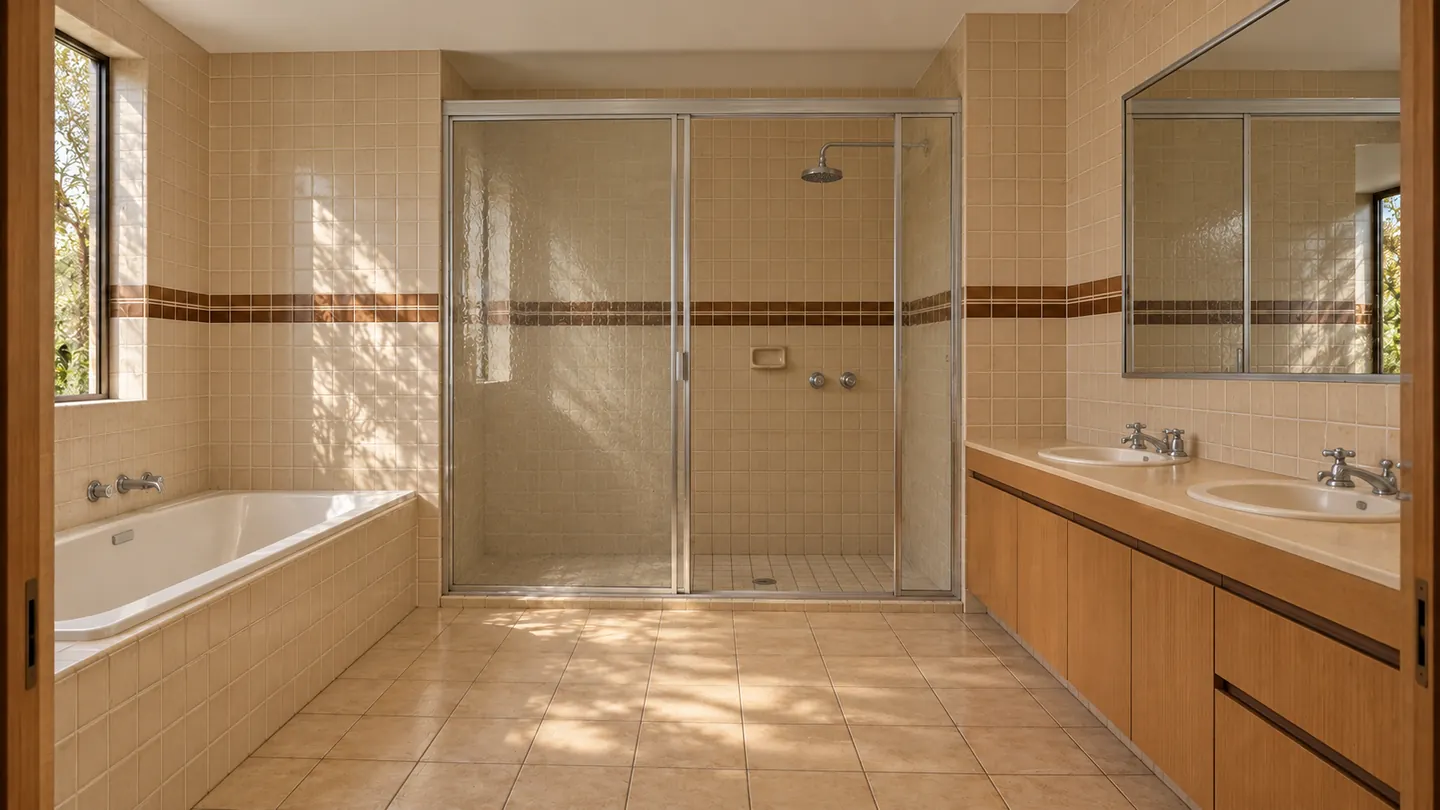
Bathrooms confuse homeowners because the smallest room in the house takes a month. The reason is sequencing and curing, not effort.
- Week 1: Demolition, plumbing and electrical rough-in, wall sheeting. Fast, noisy, visible progress.
- Week 2: Screeds and waterproofing. This is where the calendar slows: membranes require specified cure times between coats and before tiling, and screeds need days to dry, longer in a Melbourne winter. Nothing else can happen in the room while chemistry does its work.
- Weeks 3-4: Tiling and grouting, then fit-off of vanity, toilet, tapware and accessories, with the shower screen measured after tiling and installed when manufactured.
The waterproofing stage is precisely where impatient projects go wrong. Every shortcut taken to save two days there risks the only genuinely catastrophic bathroom failure: a leaking membrane under a finished room. When a builder tells you the room is sitting idle because something is curing, that is the schedule working, not failing.
Kitchens and the Procurement Long Pole
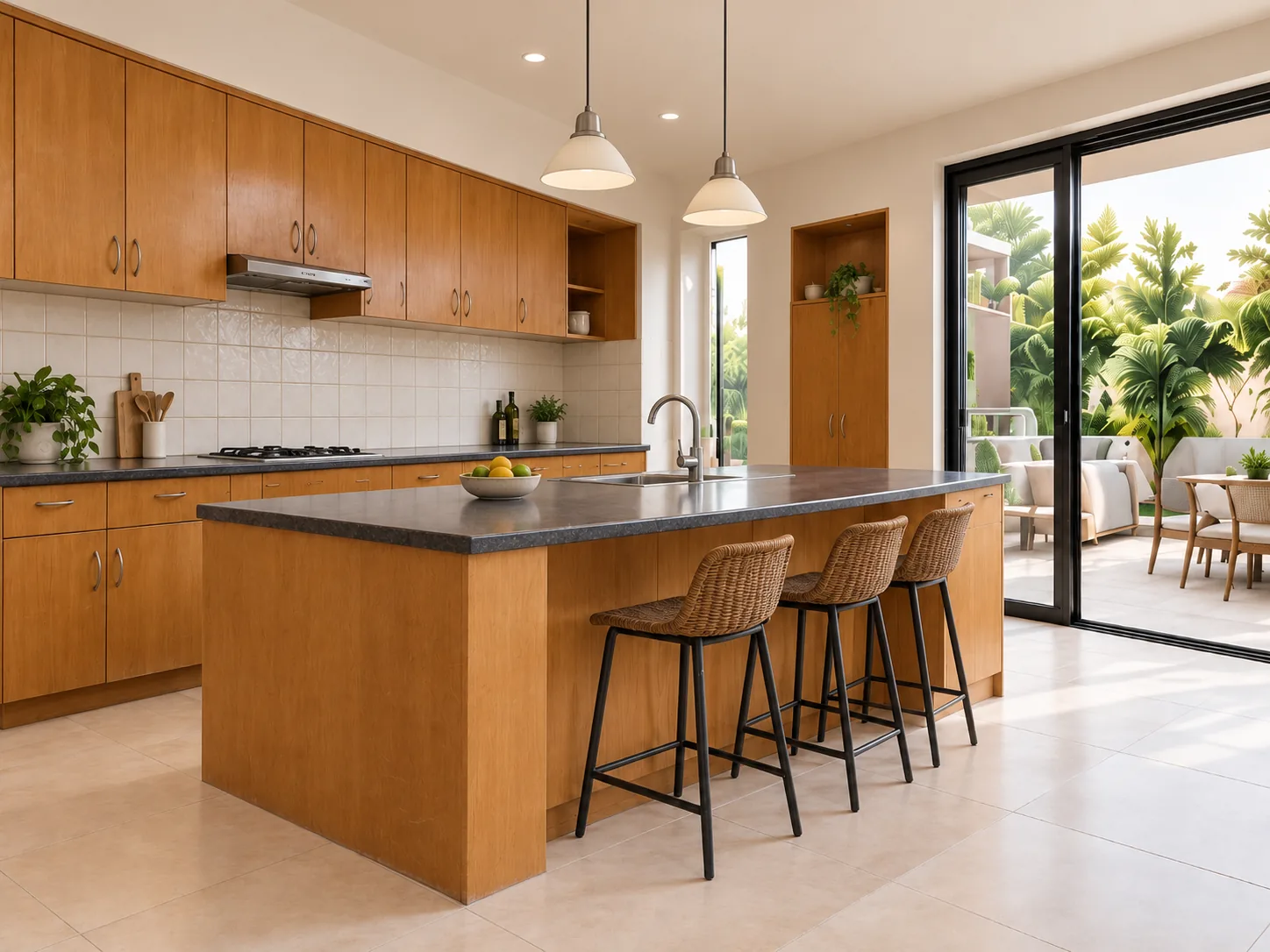
Kitchen timelines are dominated by things made off-site. The on-site trades typically need only a few weeks; the calendar is consumed by manufacturing dependencies that run in strict sequence.
- Cabinetry manufacture starts only after final drawings are signed and check-measures are done, and commonly takes several weeks in Melbourne workshops.
- Stone benchtops cannot even be templated until the cabinets are installed, and fabrication follows templating by one to two weeks. The kitchen is unusable-but-close during exactly this window, which is why it feels the longest.
- Appliances on back-order quietly set the completion date. A cooktop stuck at a distributor delays the benchtop cut-out confirmation, which delays fabrication, which delays plumbing fit-off.
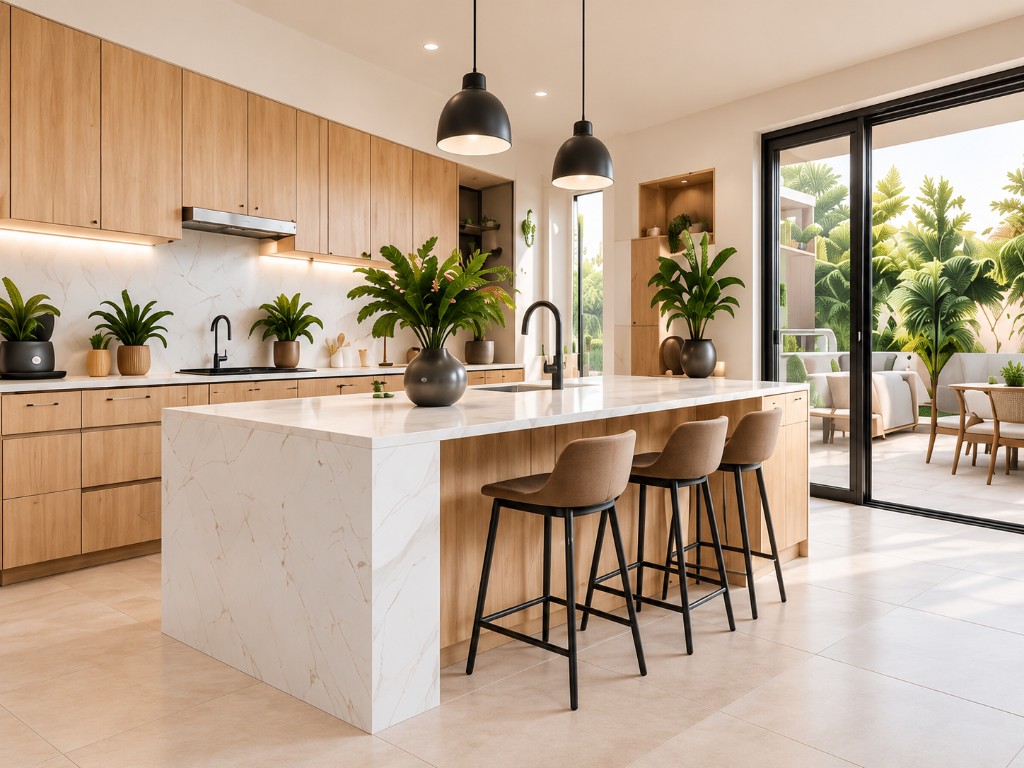
The compression strategy that works is doing everything possible before demolition: finalise drawings, order appliances, get cabinetry into the manufacturing queue, and only then take the old kitchen out. Run that way, a family is without a kitchen for four to six weeks instead of the ten-plus that a start-then-decide approach produces.
Full-Home Renovations: Where the Months Actually Go
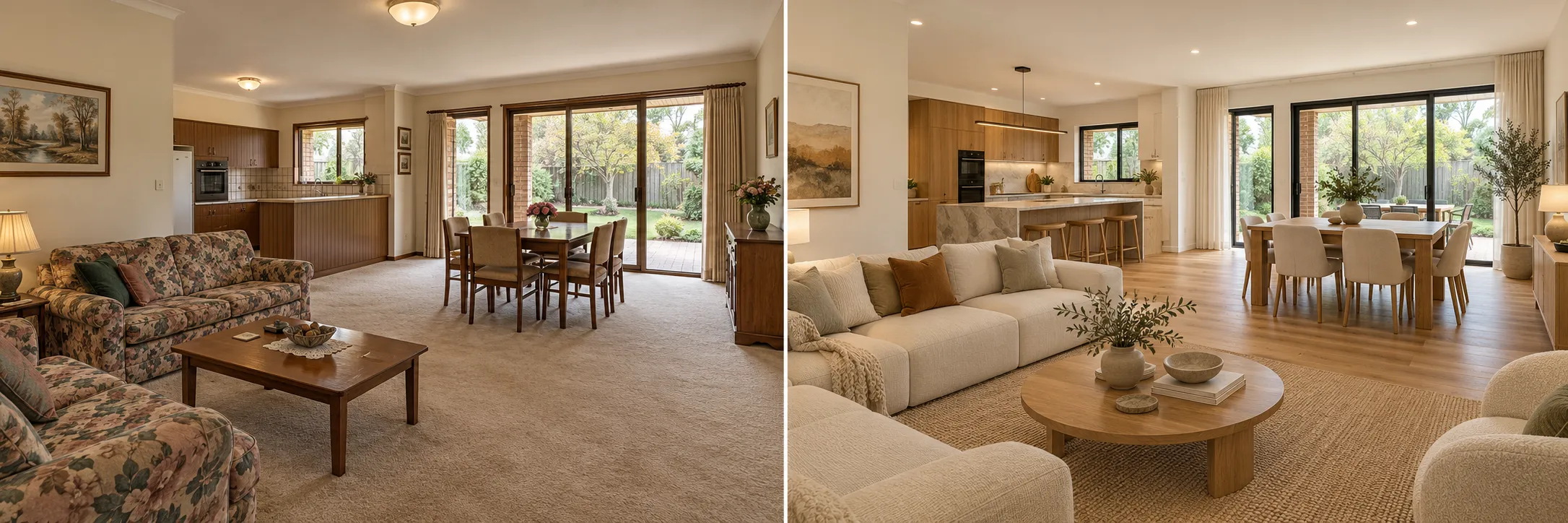
On full-home projects the timeline question changes shape, because the answer depends on scope decisions made months before site start.
- Design and documentation, commonly 2-4 months: Concept, design development, selections and working drawings. Rushing this stage is false economy; every undecided detail becomes a mid-build delay multiplied across trades.
- Approvals, highly variable: Building permits for internal works are typically measured in weeks. Planning permits, needed for many extensions, heritage overlays and some neighbourhood character areas across Melbourne, are measured in months and are the single biggest elapsed-time variable in Victorian renovating.
- Construction, 3-9 months by scope: Internal-only renovations sit at the short end. Structural works, extensions and re-roofing extend it, with weather exposure adding float requirements.
- The last 10 percent, always underestimated: Fit-off, painting, defect rectification, cleaning and certification reliably take several weeks. The project that is 90 percent done is commonly a month from handover.
Families planning to move out should budget rental arrangements against the full journey with contingency, not against the construction estimate alone.
The Delay Causes That Are Actually Avoidable
Some delays, weather, concealed asbestos, rotten subfloors discovered at demolition, are genuinely unforeseeable. Most of the rest trace to a short list of preventable causes:
- Late selections: The number one avoidable delay in domestic renovating. Every unselected item is a future stoppage.
- Mid-build variations: Changing the plan while trades are sequenced re-shuffles everyone. One structural rethink can cost a month.
- Payment and approval lags: Slow responses to variations, invoices and check-measure sign-offs stall procurement queues silently.
- Unrealistic multi-trade booking: Builders who under-allow for trade availability build programs that only work if nothing slips, so everything slips.
- The December factor: Melbourne's industry shutdown converts small November delays into six-week February completions. Programs near year-end need honest buffers.
Notice that none of these are construction problems. Timeline performance is mostly a decision-management discipline, which is why builder communication systems matter as much as trade quality.
Questions That Reveal a Realistic Program
You cannot verify a builder's program by looking at it, but you can test how it was built. Before signing, ask:
- What are the procurement lead times for joinery, stone, screens and windows baked into this program, and what happens if one slips?
- Which selections must be final before demolition, and can we have that list in writing with dates?
- Where is the float? A program with zero contingency is a promise, not a plan.
- How are curing and inspection points scheduled, especially waterproofing and any structural sign-offs?
- What does the last fortnight look like? A builder who can describe fit-off, defects and handover in detail has finished many projects properly.
A realistic answer to these questions is worth more than an optimistic completion date. The fastest renovation is the one that never stops, and projects never stop when the decisions, materials and approvals were all lined up before the first hammer swung.
Take these ideas with you.
- On-site weeks and full-journey months are different numbers, and the full journey is commonly two to three times longer
- Bathrooms typically run 3-5 weeks on site, kitchens 4-8, and full-home renovations 3-6 months plus design and approvals
- Waterproofing cure times and off-site manufacturing, not trade effort, set the pace of wet areas and kitchens
- Late selections and mid-build variations are the biggest avoidable delays in Melbourne renovating
- Programs near the December shutdown need honest buffers or completions slide into February
A few more answers
Questions about your next step.
How much should I budget for a kitchen renovation in Melbourne?
Budget depends on layout changes, cabinetry level, benchtop choice, appliance scope and trade complexity. Fixed-layout refreshes sit much lower than structural redesigns with new services.
What kitchen upgrades usually add the most practical value?
Better drawer storage, smarter appliance placement, durable benchtops, layered task lighting and a well-sized rangehood tend to outperform cosmetic-only upgrades.
How long does a kitchen renovation usually take?
Most kitchens run over several weeks. Cabinetry manufacturing, stone templating and trade sequencing usually matter more than the demolition day.
Put your ideas into a plan
Check feasibility before you lock a quote
Council overlays, access and existing services change the job. Bring the property constraints in before finish selections harden.
We build programs around real lead times and lock selections before demolition, which is why our completion dates hold. Get a realistic timeline for your renovation or call 1300 173 622.