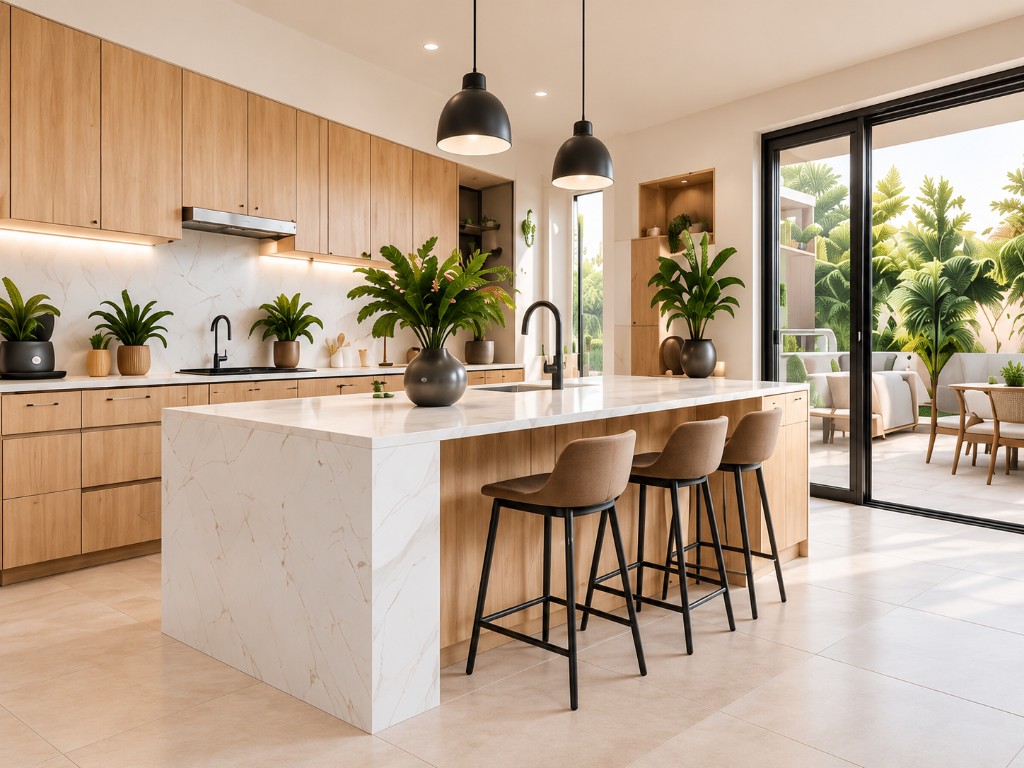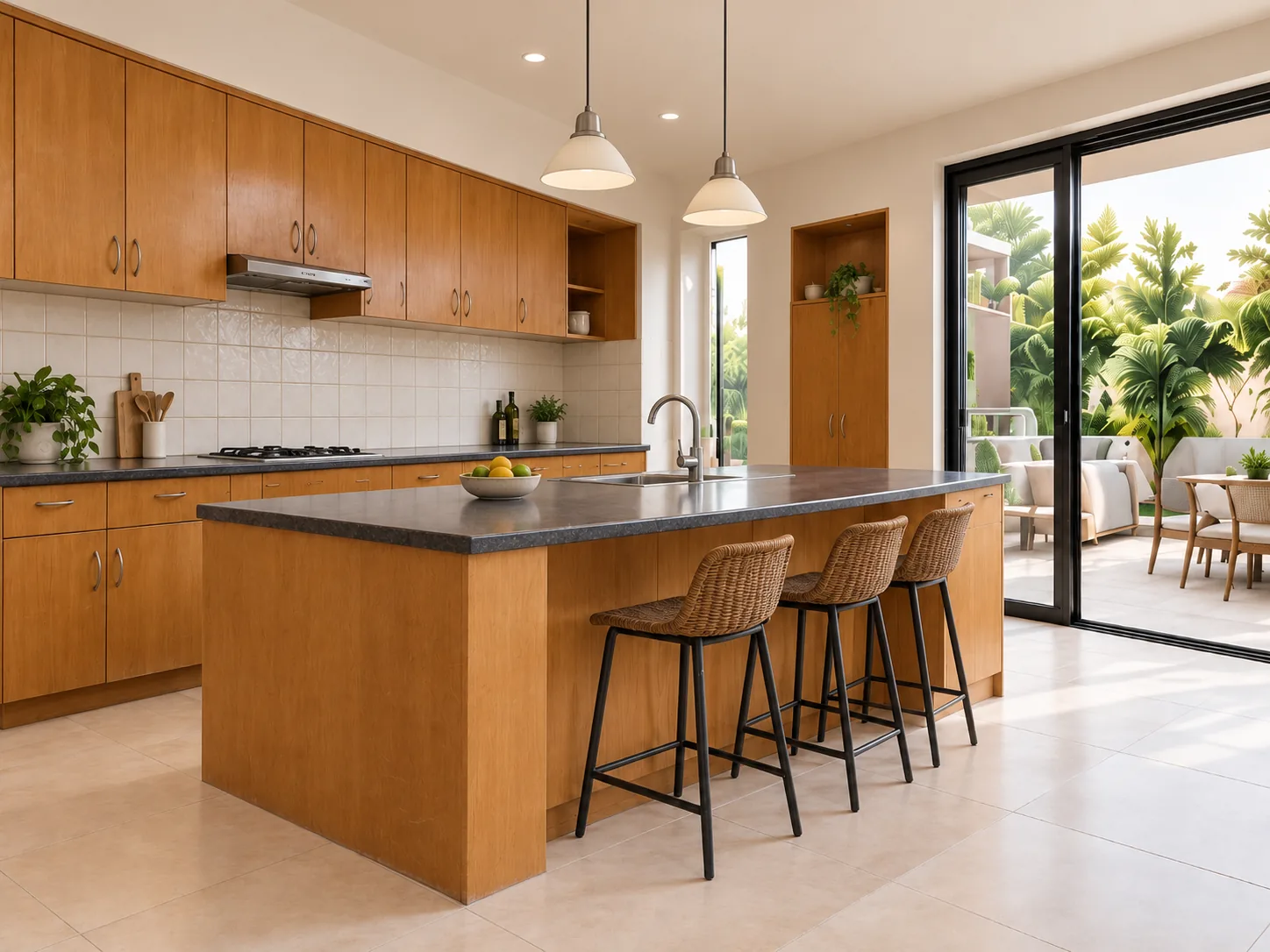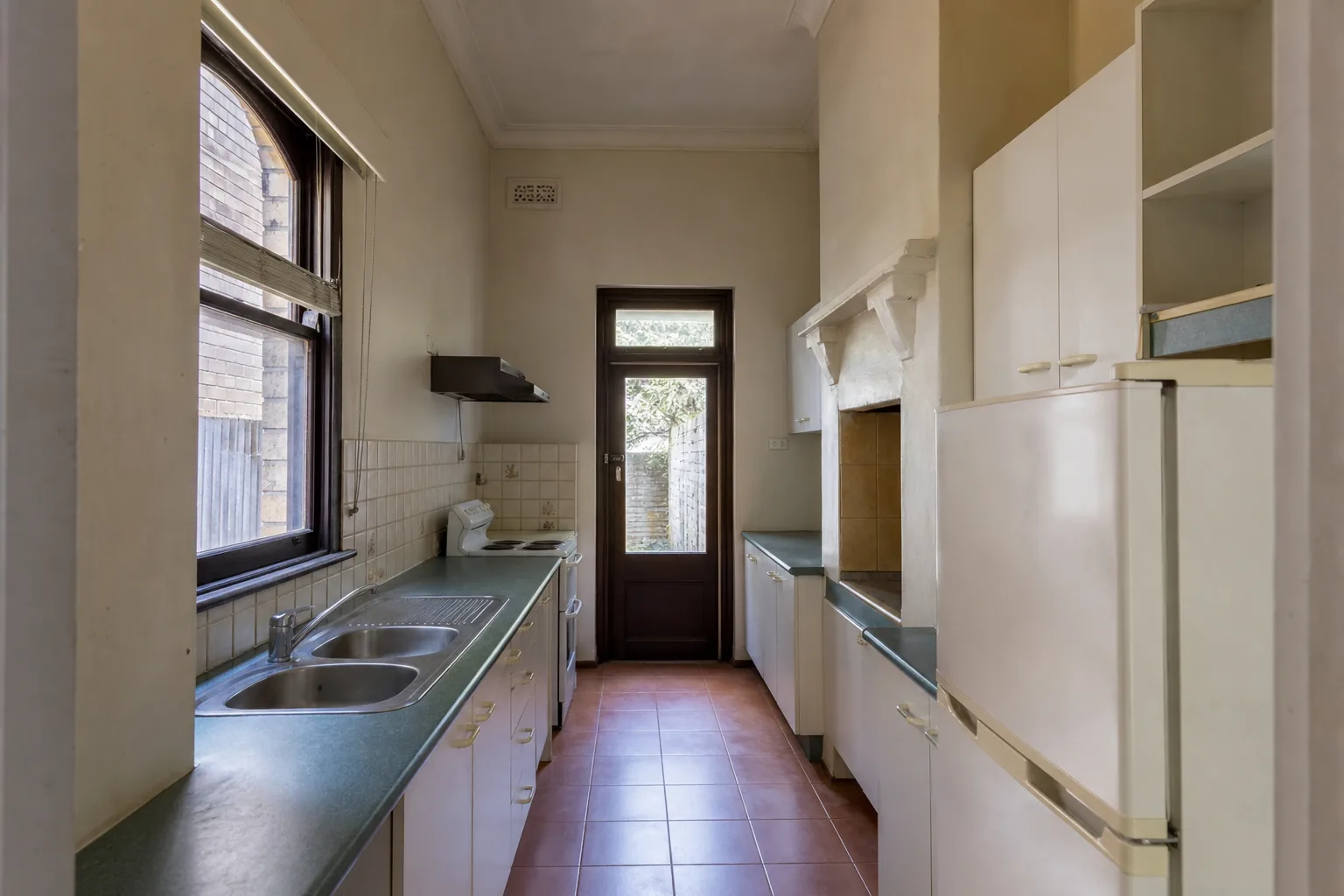
For more than a decade, engineered quartz stone was the default benchtop in Victorian kitchens: consistent, hard-wearing and available in every marble look imaginable. That era ended when Australia banned the manufacture, supply and installation of engineered stone containing crystalline silica from July 2024, a decision driven by the silicosis epidemic among stone workers. In Victoria, WorkSafe enforces the ban, and reputable fabricators have moved entirely to alternative materials.
For renovators, the practical question is simple: what goes on the benchtop now? The good news is that the alternatives are genuinely strong, and several of them outperform the old engineered stone in daily use. This guide compares the realistic options for Melbourne kitchens on durability, maintenance, appearance and installed cost.
In this guide
- What the Ban Actually Covers, and What It Does Not
- Benchtop Alternatives at a Glance
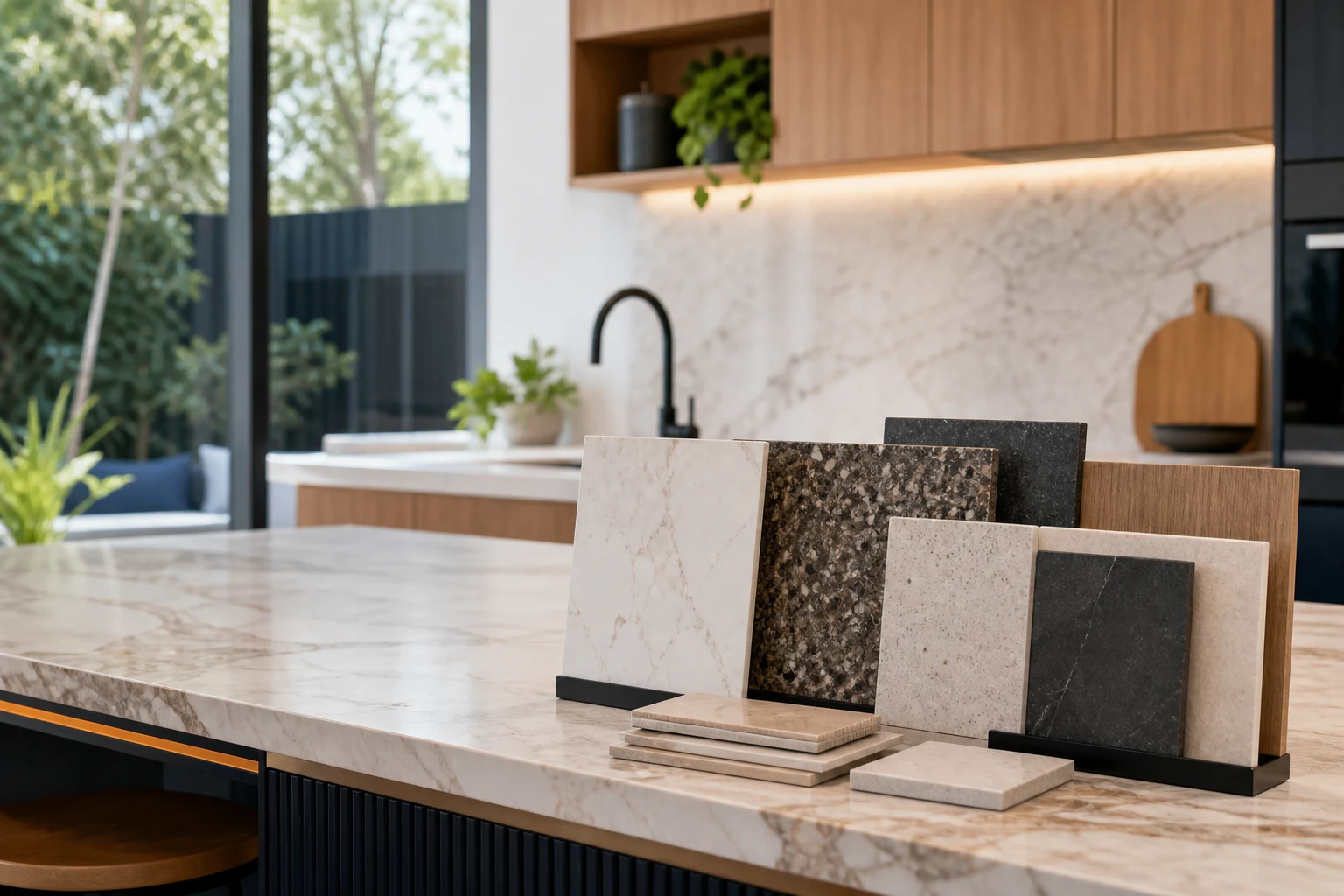
- Porcelain and Sintered Surfaces: The New Default
- Natural Stone: Granite, Quartzite and Marble Reconsidered
- Solid Surface, Laminate and Timber: The Underrated Tier
- Living With an Existing Engineered Stone Benchtop
- How to Choose: Match the Material to the Household
What the Ban Actually Covers, and What It Does Not
Understanding the boundaries of the ban prevents both panic and non-compliant purchases.
- Banned: Engineered stone slabs containing crystalline silica: the quartz-resin composite products that dominated benchtops through the 2010s. They cannot be manufactured, supplied or installed anywhere in Australia.
- Alternatives: Porcelain and sintered surfaces, natural stone such as granite, marble and quartzite, concrete, laminate, timber, stainless steel and solid surface acrylics. Work on materials that contain silica still requires appropriate dust controls.
- Existing benchtops: An engineered stone benchtop already in your home is legal to keep and live with. Restrictions apply to processing it: trades disturbing legacy engineered stone (cutting, drilling for a new tap hole) must follow strict controlled-work requirements.
If a quote in 2026 still lists a classic engineered quartz product, clarify the exact material and current Victorian requirements before proceeding.
Benchtop Alternatives at a Glance
| Material | Typical Installed Cost | Durability & Care | Best For |
|---|---|---|---|
| Porcelain / sintered slab | $3,000-$7,000 per kitchen | Heat, scratch and UV resistant; no sealing; brittle edges need good fabrication | A low-maintenance slab surface |
| Granite | $3,000-$7,000 per kitchen | Extremely hard, heat tolerant; periodic sealing; each slab unique | Hard-use family kitchens wanting natural material |
| Quartzite / marble | $4,500-$10,000+ per kitchen | Quartzite very hard; marble etches and marks; both need sealing | Premium projects prioritising natural veining |
| Solid surface (acrylic) | $2,500-$6,000 per kitchen | Seamless joins, repairable, integrated sinks; scratches and marks buff out; poor heat tolerance | Seamless contemporary designs and curved work |
| Laminate | $1,200-$2,800 per kitchen | Vastly improved realism; vulnerable to heat and cut marks; not repairable | Budget renovations, rentals and interim kitchens |
| Hardwood timber | $2,500-$5,500 per kitchen | Warm, repairable by sanding; needs oiling and water discipline near sinks | Feature islands and character homes |
Costs are indicative for a typical Melbourne kitchen of 8-12 lineal metres of benchtop and move with slab choice, edge details and cut-outs.
Porcelain and Sintered Surfaces: The New Default
Porcelain and sintered stone slabs have absorbed most of the market engineered stone left behind, and on pure performance they deserve it.
- Heat: A hot pan straight off the induction hob is a non-event, which was never true of resin-bound engineered stone.
- UV stability: Colours do not yellow near north-facing windows, making porcelain the right call for indoor-outdoor benchtops in Melbourne extensions.
- Surface hardness: Highly scratch resistant, and non-porous without any sealing regime. Coffee, turmeric and red wine wipe off.
- The caveats: Slabs are thinner (commonly 12-20mm) and more brittle in fabrication, so edge profiles, mitred build-ups and cut-outs demand an experienced fabricator. Chips on edges are harder to repair invisibly than on solid materials. Printed patterns on some ranges do not run through the slab, so a chipped edge can reveal the body colour.
Specify full-bodied or through-vein slabs where edges will show, and ask to see your actual slab before cutting: print quality and vein realism vary between ranges and price points.
Natural Stone: Granite, Quartzite and Marble Reconsidered
Natural stone has quietly regained ground since the ban, and modern sealers have removed much of the maintenance fear that pushed buyers to engineered products in the first place.
- Granite: The workhorse. Harder than old engineered stone, genuinely heat tolerant and now available in honed and leathered finishes that look contemporary rather than 1990s speckled. Sealing is typically an annual wipe-on job, not a tradesman visit.
- Quartzite: A natural stone (not to be confused with banned engineered quartz) offering marble-like veining with far better hardness and acid resistance. Premium pricing, spectacular slabs.
- Marble: Still the most beautiful surface in the room and still the most demanding. Lemon juice and wine etch the polish; the honest approach is choosing honed marble and accepting patina as character. For most family kitchens we steer marble to the butlers pantry or a baking zone rather than the main run.
- Buying logic: Natural stone is bought by the slab, so visit the yard and select your actual slabs. No two are alike, which is either the entire point or a consistency problem depending on your design.
Solid Surface, Laminate and Timber: The Underrated Tier
Not every kitchen needs a slab product, and the ban is a good moment to reassess three materials that renovators habitually skip past.
- Solid surface acrylics: Materials in this family join invisibly, curve, and integrate sinks with no dirt-trapping rim. Scratches and stains sand out with an abrasive pad, which no stone can claim. Weakness: heat. A trivet discipline is mandatory.
- Modern laminate: Current premium laminates with synchronised texture and matching ABS edges are convincing at conversational distance and cost a fraction of slab products. For an investment property or a five-year interim kitchen, laminate is the rational spend.
- Hardwood timber: Victorian ash, spotted gum or reclaimed messmate brings warmth no mineral surface matches. It wants oiling once or twice a year and dry conditions around the sink. As an island top over a painted base it is a signature look in Melbourne period renovations.
- Stainless steel: Worth a mention for serious cooks: hygienic, heat-proof and increasingly used domestically in industrial-leaning designs. It scratches into a working patina; decide if you love or hate that before committing.
Living With an Existing Engineered Stone Benchtop
Thousands of Melbourne homes still have engineered stone benchtops, and owners regularly ask whether they must act. The short answer is no.
- Keeping it is fine: An installed benchtop poses no risk in normal domestic use. The hazard was always to workers cutting and polishing the material dry.
- Modifying it is controlled work: Cutting a new tap hole, trimming for a new appliance or removing sections disturbs legacy engineered stone and must be done by trades following the controlled-work requirements that apply in Victoria, with wet cutting and respiratory protection. Expect this to cost more than it used to.
- Renovating around it: If your renovation keeps the benchtop but changes cabinetry or appliances, plan cut-outs and modifications early so a compliant fabricator can price them, or design the change to avoid disturbing the stone at all.
- Disposal: Removal and disposal during demolition is routine for licensed demolition contractors, handled with dust suppression. It does not require the kind of specialist process asbestos does, but it is not a dry-cut DIY job either.
How to Choose: Match the Material to the Household
The right benchtop choice falls out of four practical questions.
- How do you actually cook? High-heat, high-mess households lean porcelain, granite or stainless. Occasional cooks can afford marble or timber romance.
- What is the maintenance honesty level? If nobody will oil timber or reseal stone, choose porcelain, solid surface or laminate and never think about it again.
- Where does the budget do the most good? A mid-range porcelain everywhere often beats a premium slab on the island and a compromise elsewhere. Consistency reads as quality.
- What does the design need the benchtop to do? Waterfall ends and mitred edges favour materials that fabricate cleanly; integrated sinks favour solid surface; indoor-outdoor continuity favours porcelain.
Finally, insist that whoever fabricates your benchtop is an established Victorian workshop that has adapted properly to the post-ban environment. The fabricator matters as much as the material.
Take these ideas with you.
- Engineered stone with crystalline silica is banned from supply and installation Australia-wide; existing installed benchtops are legal to keep
- Porcelain and sintered slabs are the closest all-round successor, beating old engineered stone on heat, UV and stain performance
- Natural granite and quartzite have regained ground, with modern sealers reducing the old maintenance burden
- Modifying legacy engineered stone is controlled work in Victoria and needs compliant trades, so plan cut-outs early or design around them
- Choose by household honesty: cooking intensity, real maintenance appetite and design requirements matter more than showroom looks
A few more answers
Questions about your next step.
How much should I budget for a kitchen renovation in Melbourne?
Budget depends on layout changes, cabinetry level, benchtop choice, appliance scope and trade complexity. Fixed-layout refreshes sit much lower than structural redesigns with new services.
What kitchen upgrades usually add the most practical value?
Better drawer storage, smarter appliance placement, durable benchtops, layered task lighting and a well-sized rangehood tend to outperform cosmetic-only upgrades.
How long does a kitchen renovation usually take?
Most kitchens run over several weeks. Cabinetry manufacturing, stone templating and trade sequencing usually matter more than the demolition day.
Put your ideas into a plan
Turn this cost guide into a real number
A useful quote names layout, services, finish level and exclusions. We measure in the house, then price the room you actually have.
We build kitchens with post-ban materials every week and can show you porcelain, natural stone and solid surface options against your cabinetry colours. Talk benchtops with our kitchen renovation team.