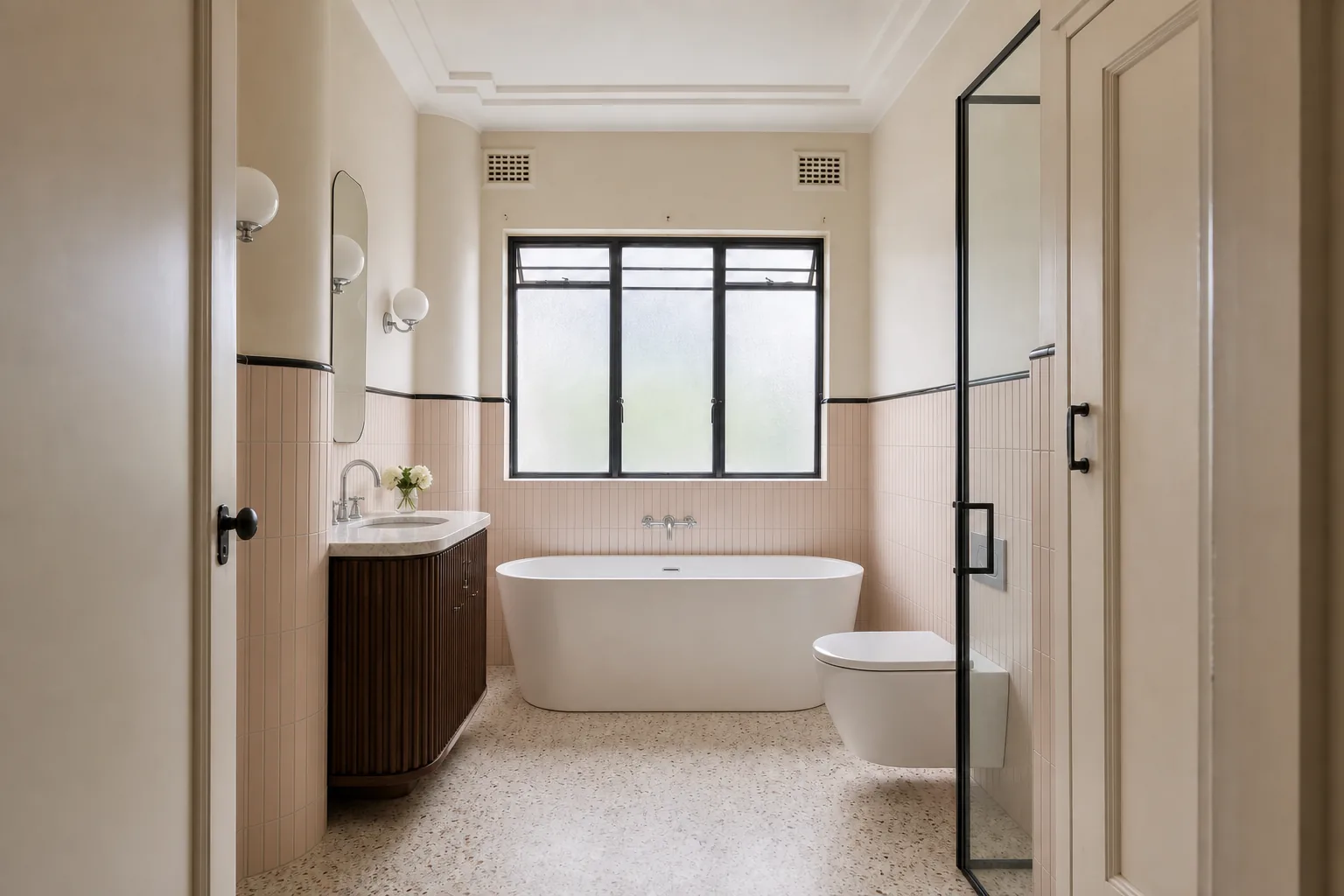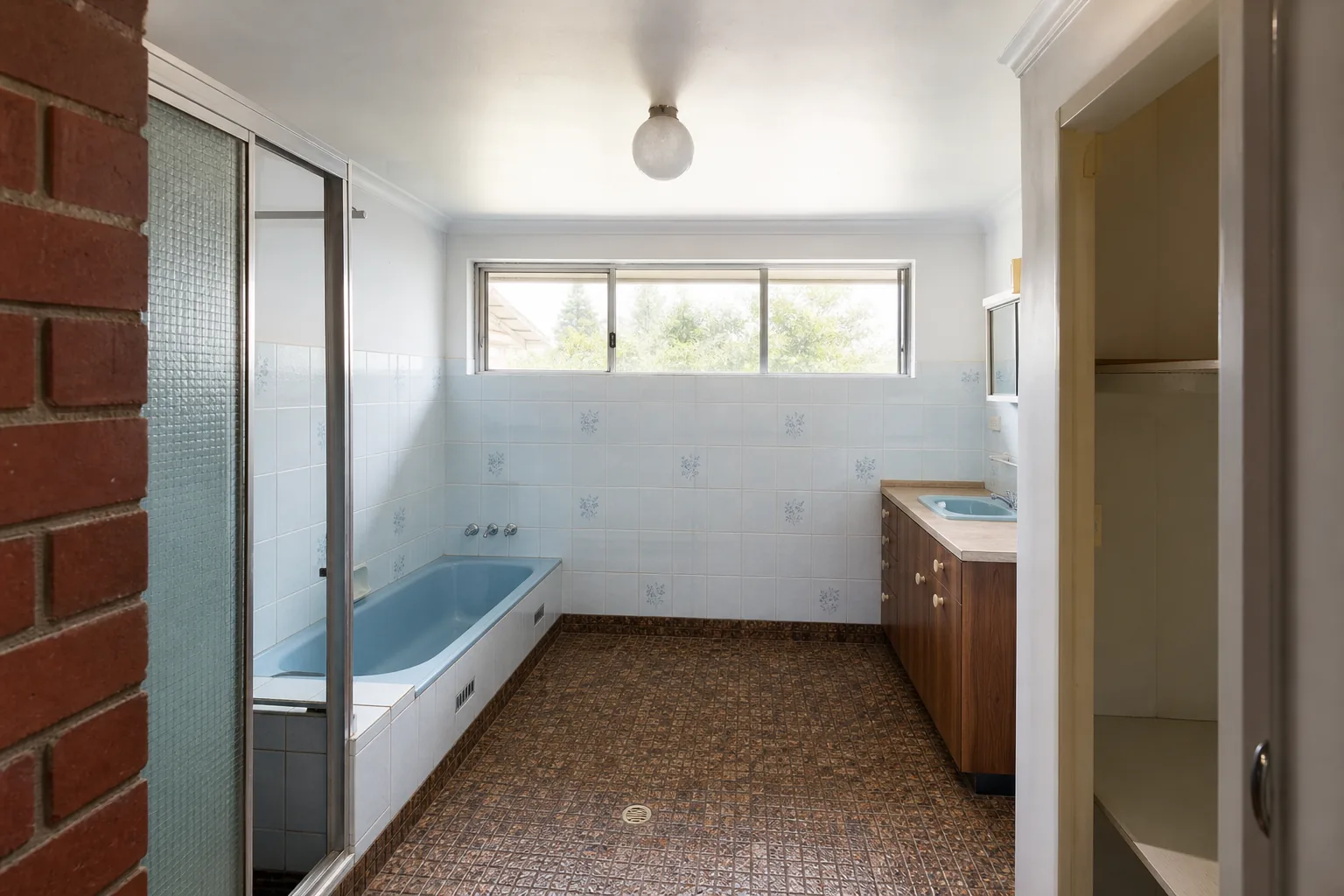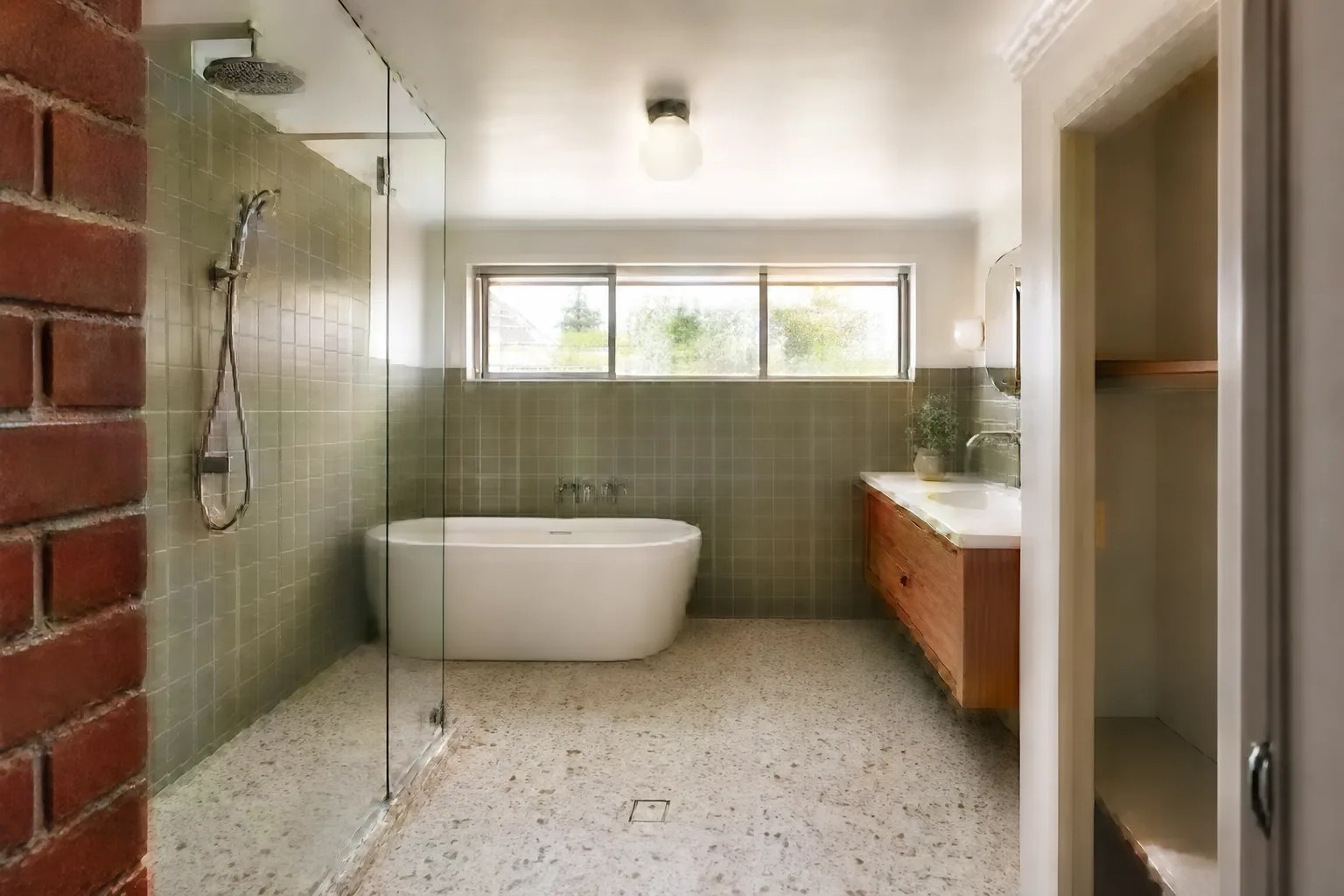
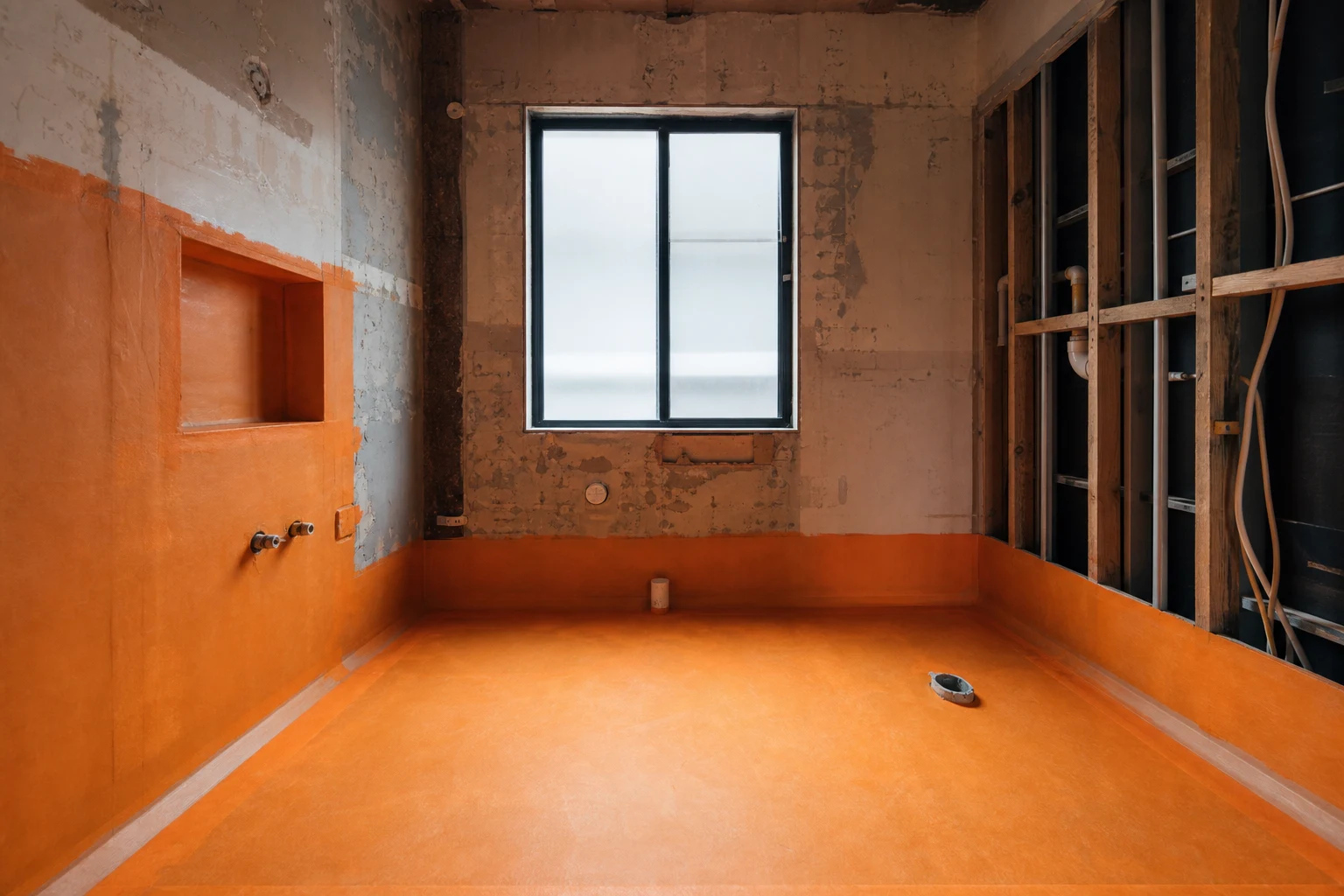
A bathroom is the most trade-dense room in any home: up to eight different licensed trades pass through a space of four to six square metres, and every one of them depends on the trade before finishing correctly. When bathroom renovations go wrong, whether that is a three-month timeline blowout or a leaking shower two winters later, the root cause is almost always sequencing: a trade working out of order, or a stage signed off before it was ready.
This guide walks through the correct order of trades for a full-strip Melbourne bathroom renovation, what happens at each stage, roughly how long each takes, and the checkpoints where work must be verified before the next trade covers it up forever. Understanding the sequence is the single best way for a homeowner to judge whether a renovator runs a professional job.
In this guide
- The Full Sequence at a Glance
- Strip-Out: Where the Real Scope Reveals Itself
- Rough-In: Pipes and Cables Before Walls Close
- Waterproofing: The Stage That Must Never Be Rushed
- Tiling: Set-Out Approval Before the First Tile
- Fit-Off and Detail: The Return of the Licensed Trades
- Why Sequencing Discipline Is What You Are Really Paying For
The Full Sequence at a Glance
| Stage | Trade | Typical Duration | Must Be Right Before Moving On |
|---|---|---|---|
| 1. Strip-out | Demolition crew | 1-2 days | Substrate condition assessed; hidden damage documented |
| 2. Plumbing rough-in | Licensed plumber | 1-2 days | Pipe positions match the final fixture layout exactly |
| 3. Electrical rough-in | Licensed electrician | 1 day | Lighting, heating, fan and GPO cabling in walls before sheeting |
| 4. Carpentry and sheeting | Carpenter / plasterer | 1-2 days | Walls straight and plumb; niches and hobs framed to tile set-out |
| 5. Waterproofing | Licensed waterproofer | 2-3 days incl. curing | Membrane continuous, correct heights, cure time respected |
| 6. Screed and tiling | Tiler | 4-8 days | Falls to waste correct; set-out approved before first tile |
| 7. Fit-off | Plumber and electrician return | 1-2 days | Fixtures, tapware, accessories, lighting and fan commissioned |
| 8. Glazing, caulking, detail | Shower screen installer, caulker, painter | 2-4 days plus screen lead time | Screens measured after tiling; silicone and paint complete the seal |
Total elapsed time for a well-run full renovation typically lands between three and five weeks, with shower screen manufacture often setting the tail of the program because measurement can only happen after tiling.
Strip-Out: Where the Real Scope Reveals Itself
Demolition is the cheapest stage and the most informative. Once tiles, sheeting and old fixtures are gone, the truth about the room appears: the condition of the timber or slab beneath, past leaks, termite history in older Melbourne homes, and whether previous renovations were done properly.
- Expect discovery, contractually: Good builders inspect and document at strip-out and deal with hidden damage as a defined variation, not a mid-job surprise argument.
- Old wet areas hide rot: Decades of minor leakage around baths and shower trays in weatherboard and brick-veneer homes commonly means sections of flooring or studwork need replacement.
- Asbestos discipline: Pre-1990 sheet flooring and wall linings in Victorian housing stock may contain asbestos. Licensed assessment and removal is non-negotiable when it appears.
A day or two spent fixing the structure here is the foundation of everything that follows. No membrane or tile can compensate for a soft floor.
Rough-In: Pipes and Cables Before Walls Close
Rough-in is where the finished bathroom gets locked in, even though nothing looks finished. The plumber sets drain positions, water feeds, and in-wall bodies for mixers; the electrician runs cabling for lighting, the exhaust fan, heated towel rails, underfloor heating and shaver points.
- The layout is now frozen: Moving a toilet 200mm after rough-in means reopening walls or floor. Every fixture position, height and handing must be confirmed against the drawings before this stage.
- Fixture specifications drive rough-in: Wall-hung vanities need in-wall blocking, in-wall cisterns need frames, and rain heads need dropper positions. The actual selected products, not approximations, dictate the measurements.
- Ventilation is electrical scope too: An exhaust fan ducted to outside air, not just into the roof space, is the detail that protects paint, plaster and grout for the life of the room.
This is also the stage where compliance paperwork matters: plumbing work in Victoria carries compliance certificates for defined work, and a professional builder keeps that paper trail with the job file.
Waterproofing: The Stage That Must Never Be Rushed
Waterproofing is the most consequential stage of the entire renovation, and its enemies are haste and cost-cutting. In Victoria, wet-area waterproofing is regulated work with defined standards for where membranes must go and how high they must run.
- Shower walls and floors, hob details, and junctions are membraned as a continuous system, with bond breakers at movement points. The standard details exist because that is exactly where failures happen.
- Curing time is real time: Membranes need manufacturer-specified curing between coats and before tiling, usually a day or more per stage. A schedule that tiles the day after a single coat is a schedule that leaks.
- Photograph everything: We document membrane coverage before it disappears under screed and tile. Those photos are worth more than any verbal assurance if a question ever arises.
- Water testing where applicable: Flood-testing floors before tiling verifies the membrane holds, cheap insurance against the most expensive category of defect in residential building.
If a quote wins on price by compressing this stage, it is not a saving. Waterproofing failure is the leading cause of wet-area rectification claims, and rectification means demolishing the finished room.
Tiling: Set-Out Approval Before the First Tile
Tiling is the longest visible stage and the one where design intent survives or dies. Before any adhesive is mixed, a professional tiler produces a set-out: where cuts fall, how tiles centre on walls and features, where the niche lands within the tile grid, and how falls run to the floor waste.
- Approve the set-out in person: Ten minutes reviewing set-out lines prevents the classic regrets, sliver cuts at eye level, off-centre niches and grout lines colliding with mixers.
- Falls are function: The screed establishes floor falls to the waste. Standing water in a corner is a fall problem that no beautiful tile can excuse.
- Large-format and mitred work takes longer: Oversized porcelain, stacked bond patterns and mitred external corners add days, and they are worth the days when priced in from the start.
Grout colour, movement joints and trim finishes are chosen here too, small selections with permanent visual consequences.
Fit-Off and Detail: The Return of the Licensed Trades
With tiling complete, the plumber and electrician return to install what everyone actually sees: tapware, toilet suite, vanity and basin, mirrors and accessories, lighting, fan and heating. Then the finishing trades close the job out.
- Shower screens are measured now: Frameless and semi-frameless screens are manufactured to the finished tiled opening, typically a one-to-two-week lead, which is why they define the project tail.
- Caulking is a trade, not an afterthought: Silicone at all junctions, wall-to-floor, tile-to-screen, benchtop-to-wall, is the flexible seal that accommodates building movement. Neat caulking is the signature of a job finished properly.
- Commissioning checks: Hot water at correct temperature, mixers handed correctly, fan airflow verified, waste running clear, doors and drawers aligned. A written defects walk-through with the builder closes the loop.
Only after this stage does the room get handed back, with compliance certificates, product warranties and care instructions in one pack.
Why Sequencing Discipline Is What You Are Really Paying For
Any capable tradesperson can do their own stage well. What separates a professionally run bathroom renovation is the management between stages: trades booked in the right order with realistic gaps, curing times respected, checkpoints verified before cover-up, and one party accountable for the whole chain rather than a homeowner refereeing subcontractors.
When you compare renovation quotes in Melbourne, ask each builder to describe their sequence and their hold points. The answer tells you quickly whether you are hiring a coordinated process or a calendar full of hope. A bathroom built in the right order, with each stage verified, is a bathroom you never have to think about again, which is the entire point.
Take these ideas with you.
- A full bathroom renovation runs through roughly eight trade stages over three to five weeks
- The layout is frozen at rough-in, so every fixture position must be confirmed before walls close
- Waterproofing is regulated work in Victoria and its curing times must never be compressed
- Approve the tile set-out in person before the first tile is fixed
- Shower screens are measured after tiling, which usually sets the project tail
A few more answers
Questions about your next step.
What matters most in a small bathroom layout?
Clearances, door swing, shower placement and vanity depth matter more than decorative choices. Simplify the layout before adding premium finishes.
Which bathroom materials are easiest to maintain?
Low-porosity surfaces, practical grout, well-detailed shower screens and real ventilation reduce cleaning load and mould risk.
How long does a full bathroom renovation normally take?
Bathrooms are tightly sequenced, but waterproofing cure times, tiling and fixture lead times still make them multi-stage projects.
Put your ideas into a plan
Turn this cost guide into a real number
A useful quote names layout, services, finish level and exclusions. We measure in the house, then price the room you actually have.
We run bathroom renovations as one accountable sequence, with hold points verified and documented at every stage. See our bathroom renovation service or call 1300 173 622 to talk through your project.