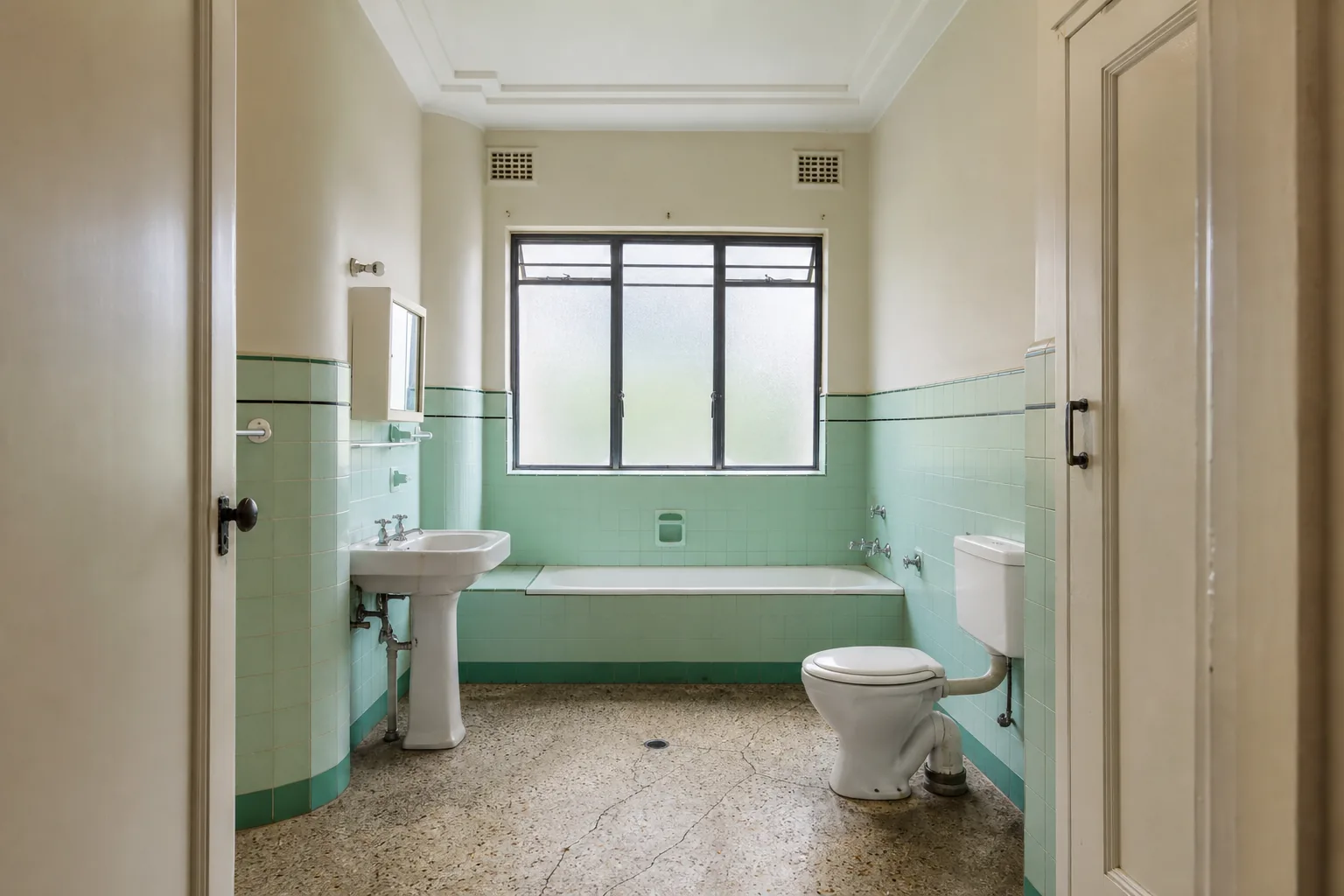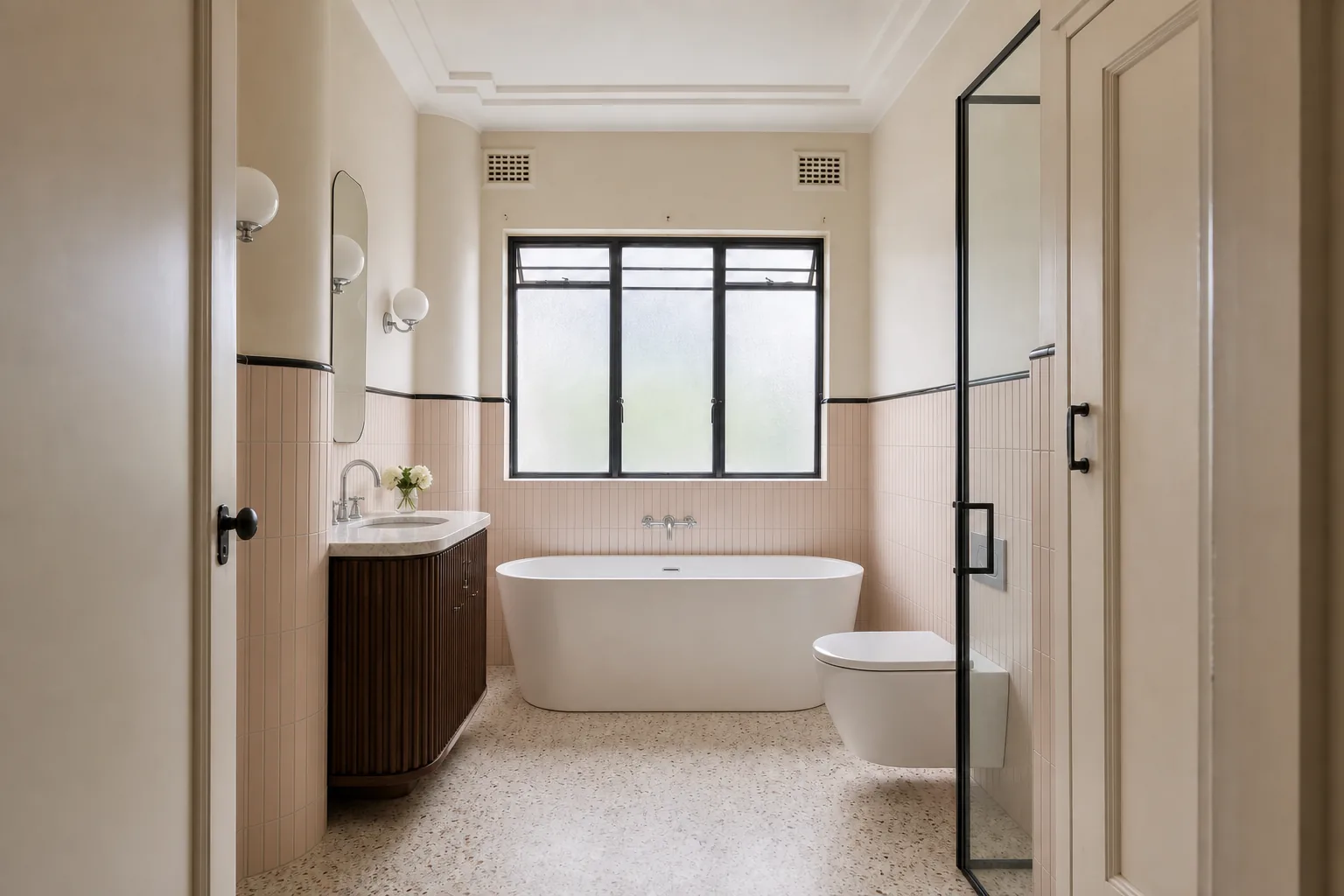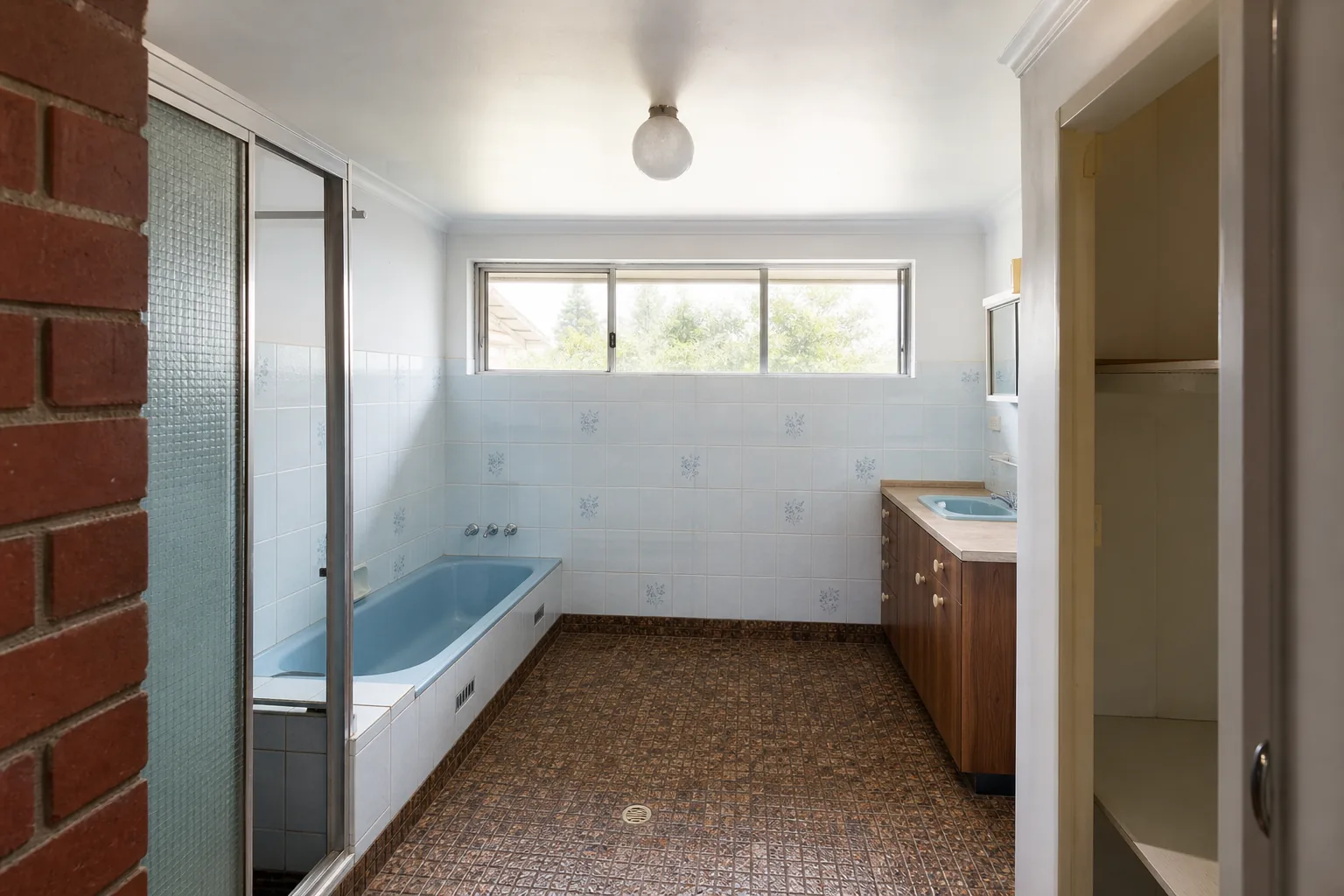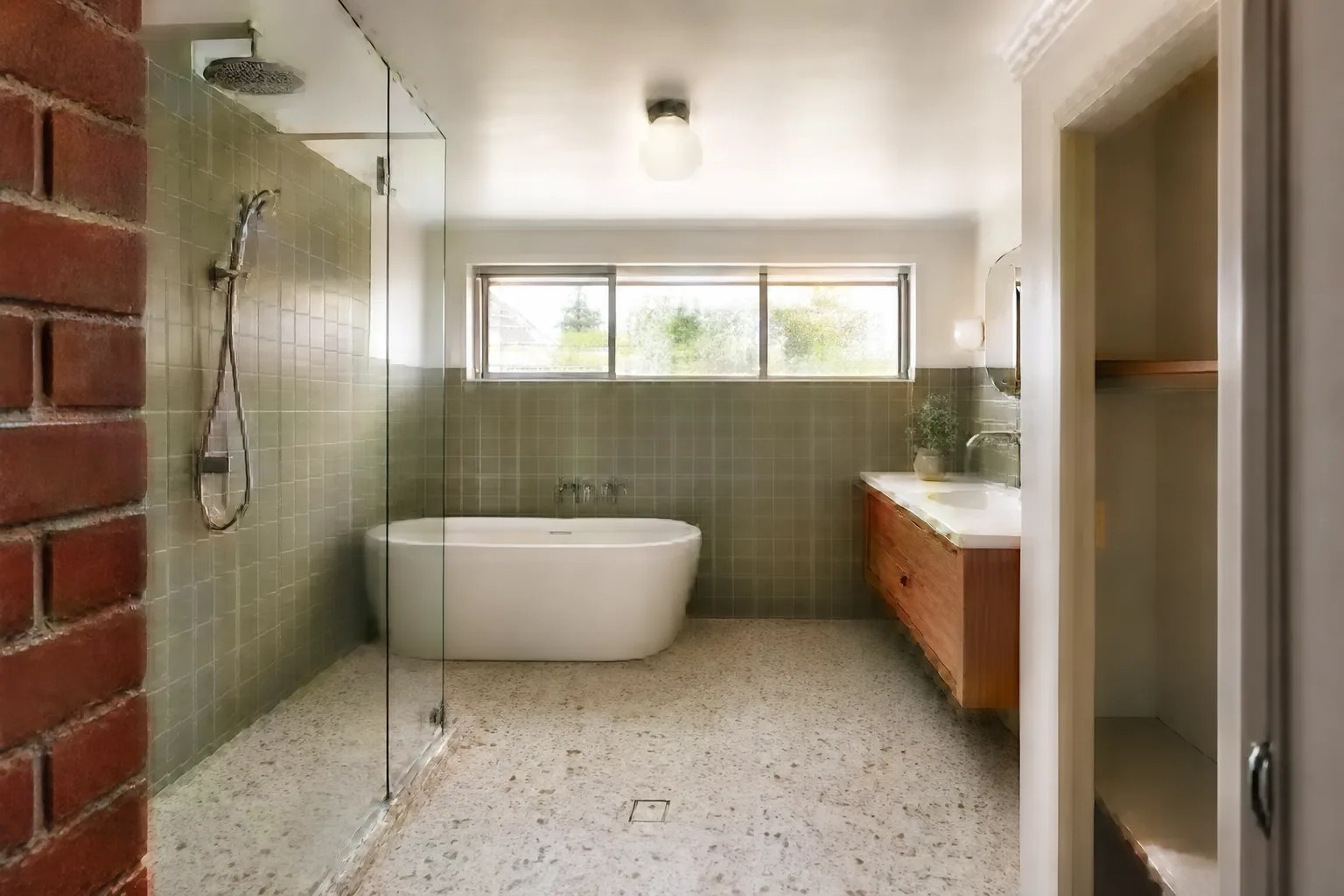
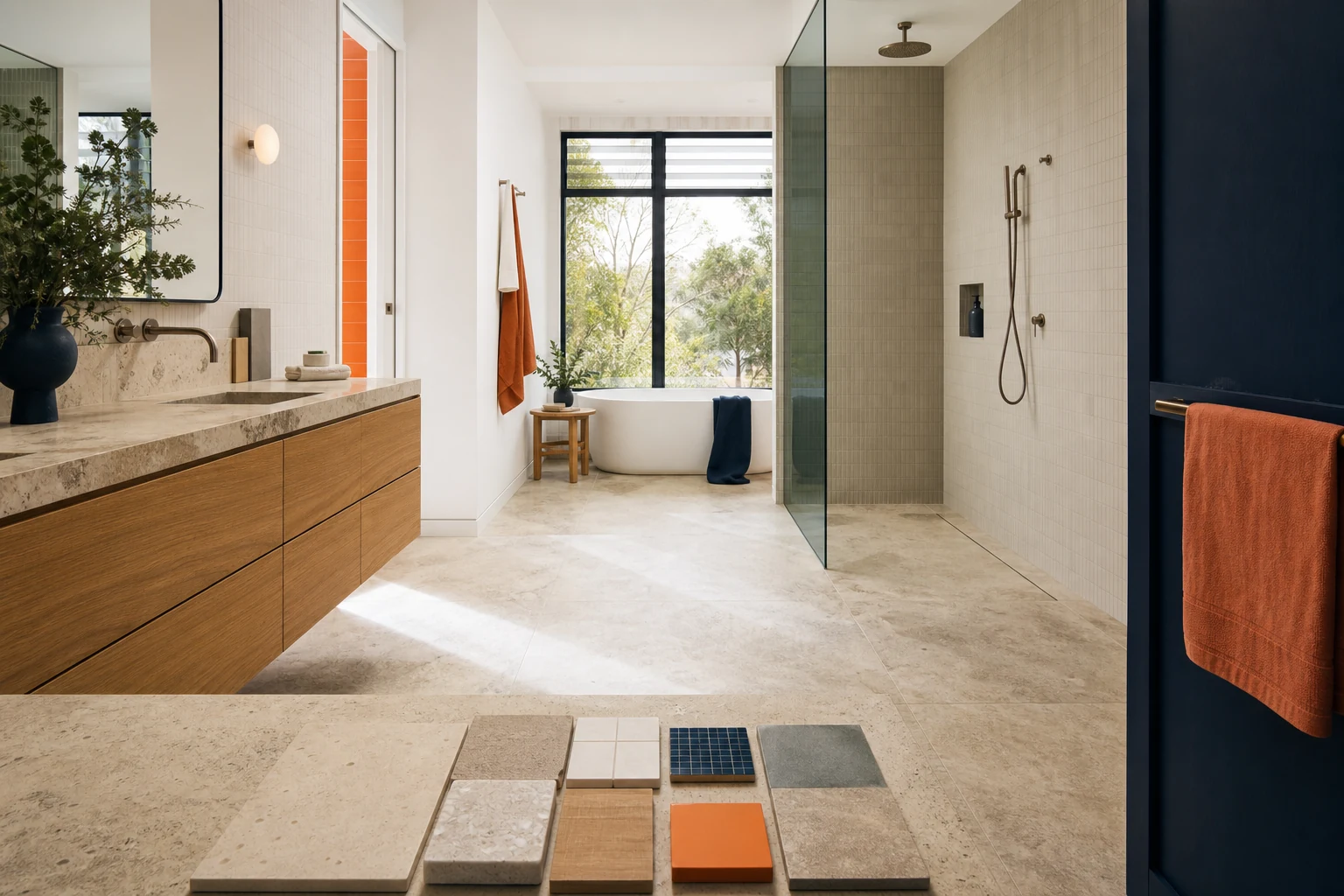
Bathroom Renovation Cost per Square Metre in Melbourne is a high-intent decision because the result affects more than appearance. It changes how the home functions, how predictable the budget is and how much coordination is needed before the first trade arrives.
This Melbourne-focused guide explains the practical questions that matter before you commit. Use it to shape a clearer brief, compare scope fairly and prepare for a more controlled bathroom renovation.
In this guide
- Start with the real decision behind the search
- Scope the work before comparing numbers
- The Melbourne conditions that affect delivery
- Use a decision table instead of a vague allowance
- Questions to take into the consultation
- Avoid the shortcuts that create expensive variations
- Turn the research into a buildable next step
Start with the real decision behind the search
Bathroom Renovation Cost per Square Metre in Melbourne is rarely solved by choosing a style image or requesting a single headline price. The useful first step is defining the outcome: are you improving a functioning bathroom, correcting a constraint, reshaping the layout, or preparing the property for a different stage of life?
That distinction affects every later decision, including layout, waterproofing, drainage, fixtures, ventilation and finish selection. In Melbourne, older housing stock, restricted access and existing services can change the practical answer from one address to the next. A good early brief separates non-negotiable function from optional upgrades so a builder can make the trade-offs visible rather than burying them in allowances.
Scope the work before comparing numbers
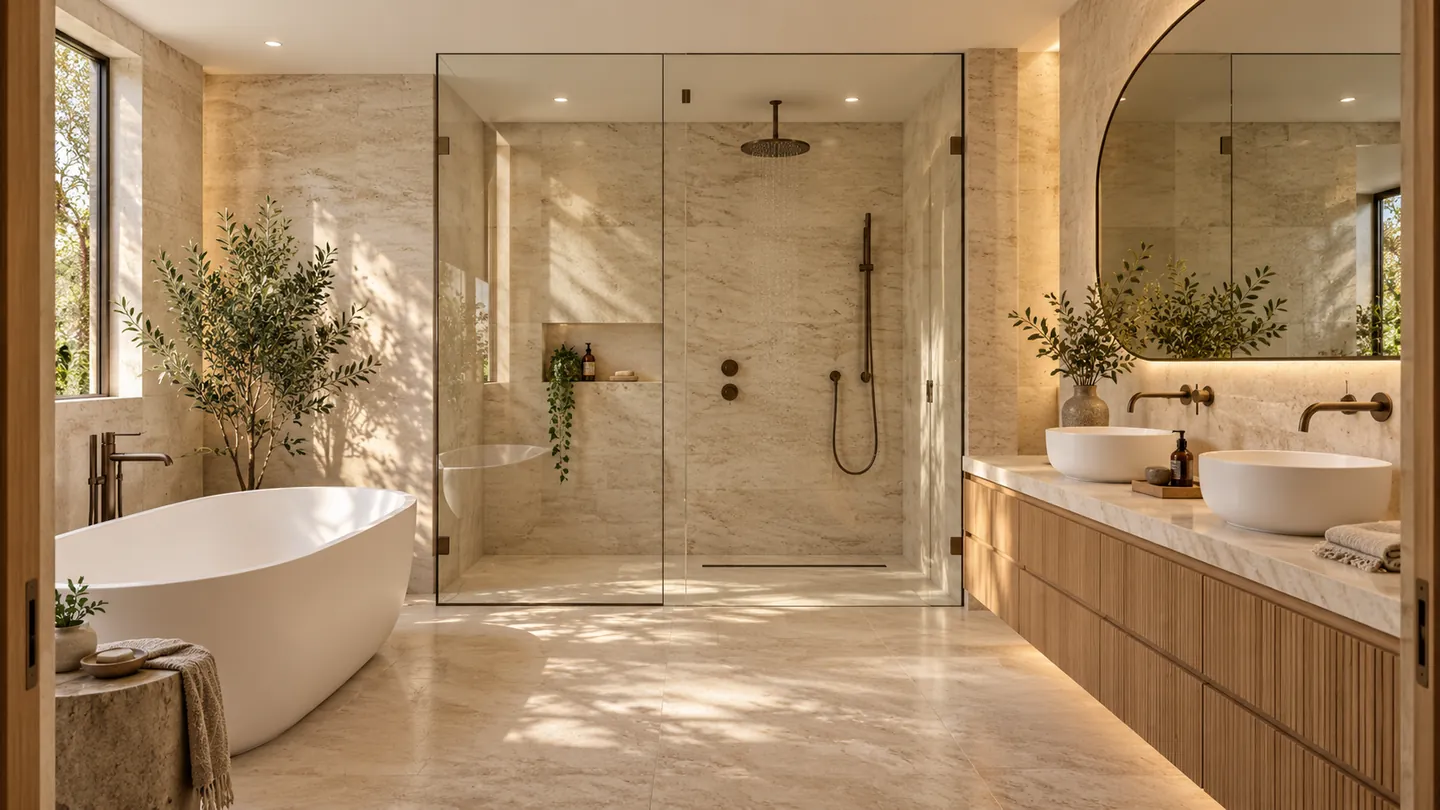
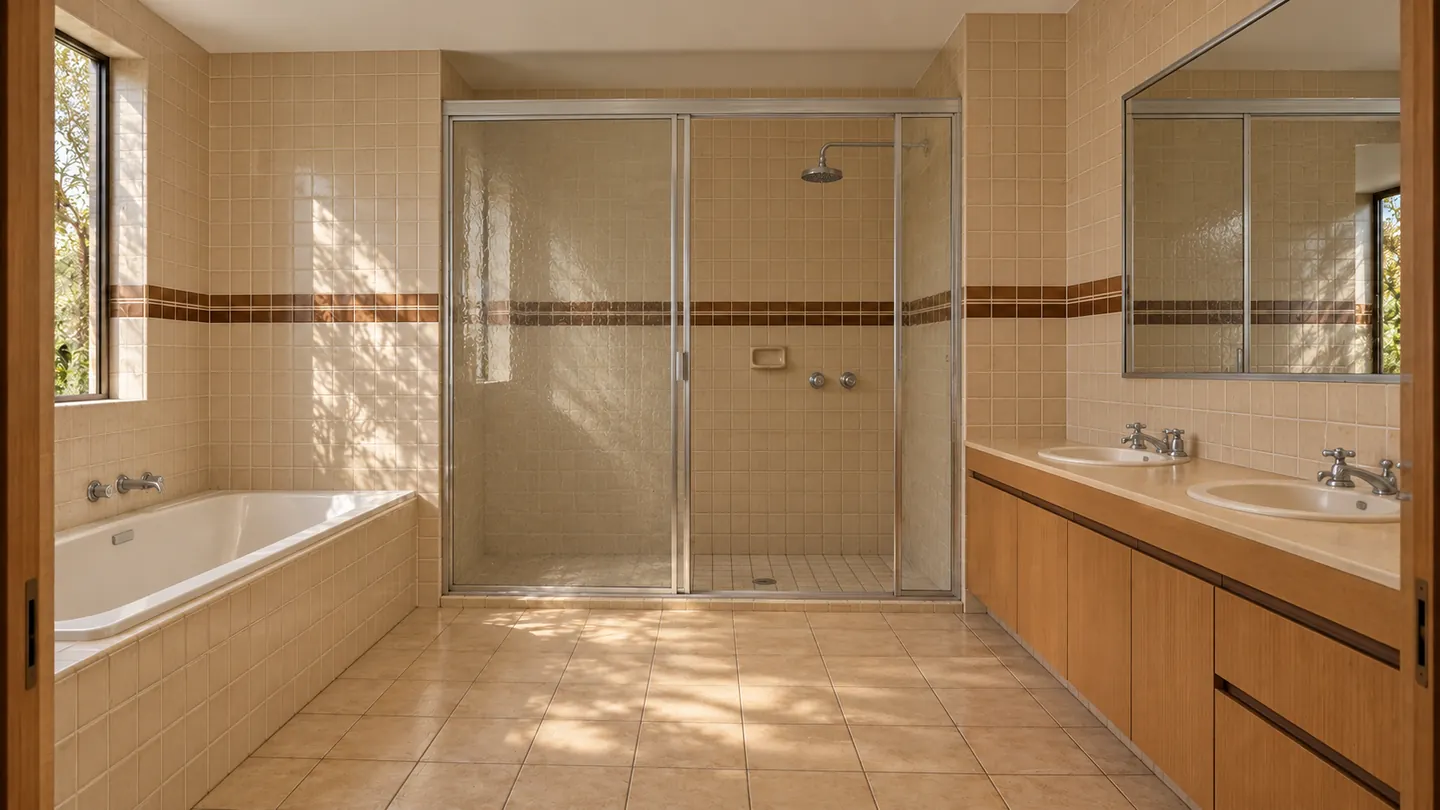
Homeowners often compare two proposals that use the same name for a bathroom but include very different work. One may retain services and simply replace finishes; another may move plumbing, rebuild framing, upgrade power or rework adjacent rooms. Those are different projects, even when the finished photos look similar.
Ask for a plain-language inclusions list before treating any figure as comparable. It should identify demolition, protection, disposal, rough-in work, finish trades, supply allowances, coordination, inspections and the items the owner is expected to provide.
- Keep: the items that already work and do not compromise the new layout.
- Change: the constraints that affect daily use, compliance or durability.
- Decide early: appliances, fixtures, tile or stone direction, and major lighting positions.
The Melbourne conditions that affect delivery
Melbourne renovations need a little more site intelligence than a showroom conversation suggests. Period homes can hide uneven walls, older wiring, legacy plumbing and access constraints. Apartments can add owners-corporation rules, lift bookings and acoustic requirements. Small terraces can turn delivery, waste and protection into real line items.
None of those conditions automatically makes a project difficult. They do mean the plan should be tested at site level. The clearer the existing conditions are before contract, the more useful a fixed scope and program become.
Use a decision table instead of a vague allowance
The following framework is useful when reviewing a proposal, comparing pathways or preparing for a first consultation.
| Decision stage | What to confirm | Why it changes the outcome |
|---|---|---|
| Existing conditions | Measure access, existing services and structure | Hidden constraints are easier to price before work starts. |
| Scope definition | layout, waterproofing, drainage, fixtures, ventilation and finish selection | A comparable quote needs a comparable scope. |
| Selections and sequencing | Lock major finishes, fixtures and lead-time items | Early choices reduce variations and idle trade time. |
Questions to take into the consultation
A useful consultation is not a sales pitch; it is a chance to pressure-test the project. Bring any inspiration, a realistic target range, a list of problems with the current room and a sense of how you need the home to work during construction.
- Which scope items are fixed, provisional or excluded?
- What existing conditions need to be checked before the price is finalised?
- Which selections have the longest lead times or affect multiple trades?
- How will access, protection, dust control and site communication be managed?
- What milestones should trigger decisions, payments and inspections?
Avoid the shortcuts that create expensive variations
The cheapest apparent route is often the one with the least definition. It can look attractive until a fixture does not fit, a service needs upgrading or a finish selection exceeds the original allowance. Variations are not always a sign of poor work; they are often the cost of decisions deferred until work is underway.
The practical countermeasure is to lock the layout, major products and responsibilities before construction. Keep a realistic contingency for genuinely hidden conditions, but do not use contingency as a substitute for a clear brief.
Turn the research into a buildable next step
The best outcome from researching bathroom renovation cost per square metre in melbourne is a tighter brief, not a longer spreadsheet. When the intended function, finish level and site constraints are documented, the project can move from broad idea to coordinated scope.
A site measure and documented scope are the point where general guidance becomes a reliable project plan.
Take these ideas with you.
- A comparable renovation quote starts with a comparable, site-tested scope.
- Existing conditions, access and service changes often matter more than a single finish selection.
- Lock major decisions early to reduce avoidable variations and delays.
- Use a consultation to test assumptions, exclusions and responsibility—not just price.
- Treat online research as the start of a project brief, then validate it at your property.
A few more answers
Questions about your next step.
What matters most in a small bathroom layout?
Clearances, door swing, shower placement and vanity depth matter more than decorative choices. Simplify the layout before adding premium finishes.
Which bathroom materials are easiest to maintain?
Low-porosity surfaces, practical grout, well-detailed shower screens and real ventilation reduce cleaning load and mould risk.
How long does a full bathroom renovation normally take?
Bathrooms are tightly sequenced, but waterproofing cure times, tiling and fixture lead times still make them multi-stage projects.
Put your ideas into a plan
Turn this cost guide into a real number
A useful quote names layout, services, finish level and exclusions. We measure in the house, then price the room you actually have.
Ready to move from broad ideas to a practical, site-specific scope? Explore VicWide Bathroom Renovations or request an in-home consultation.