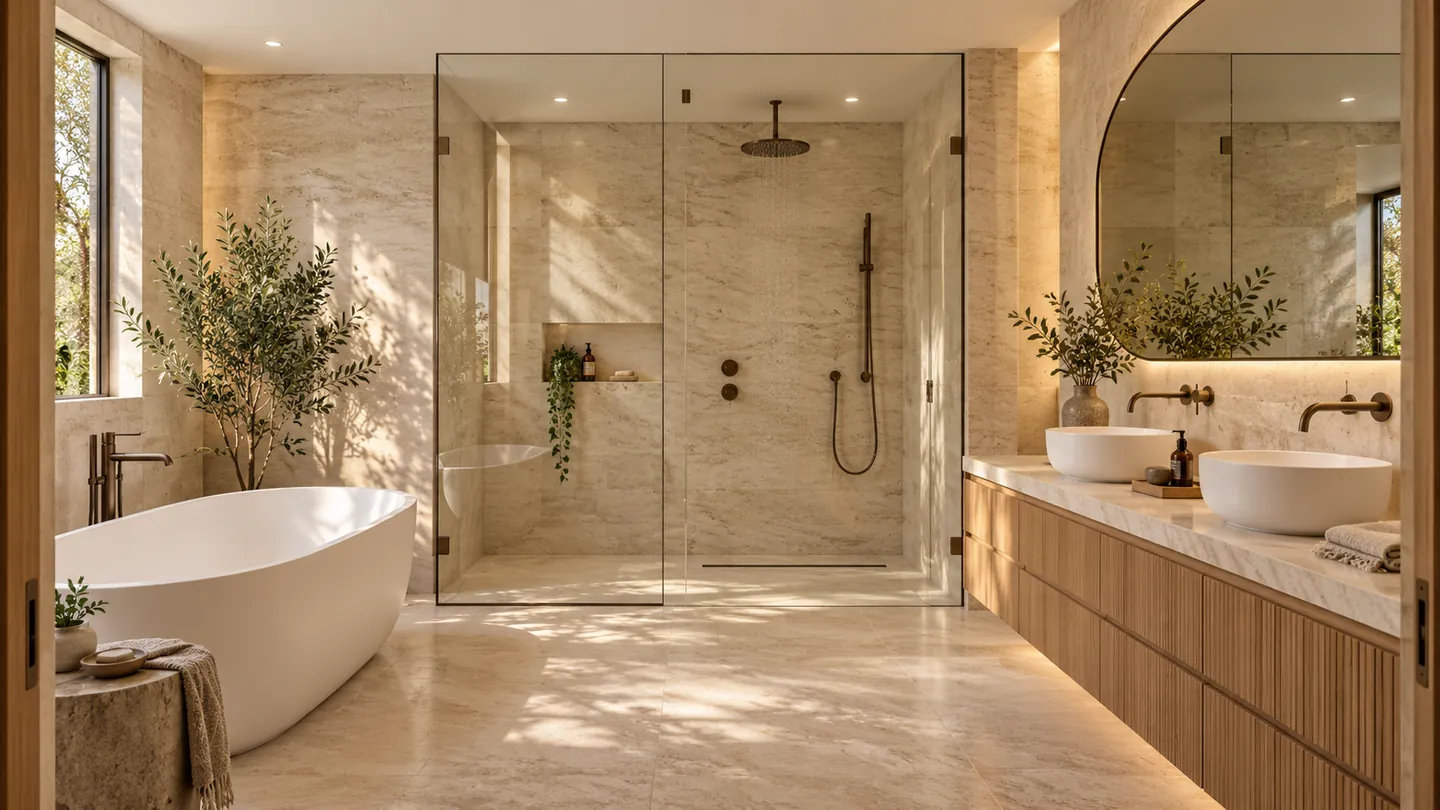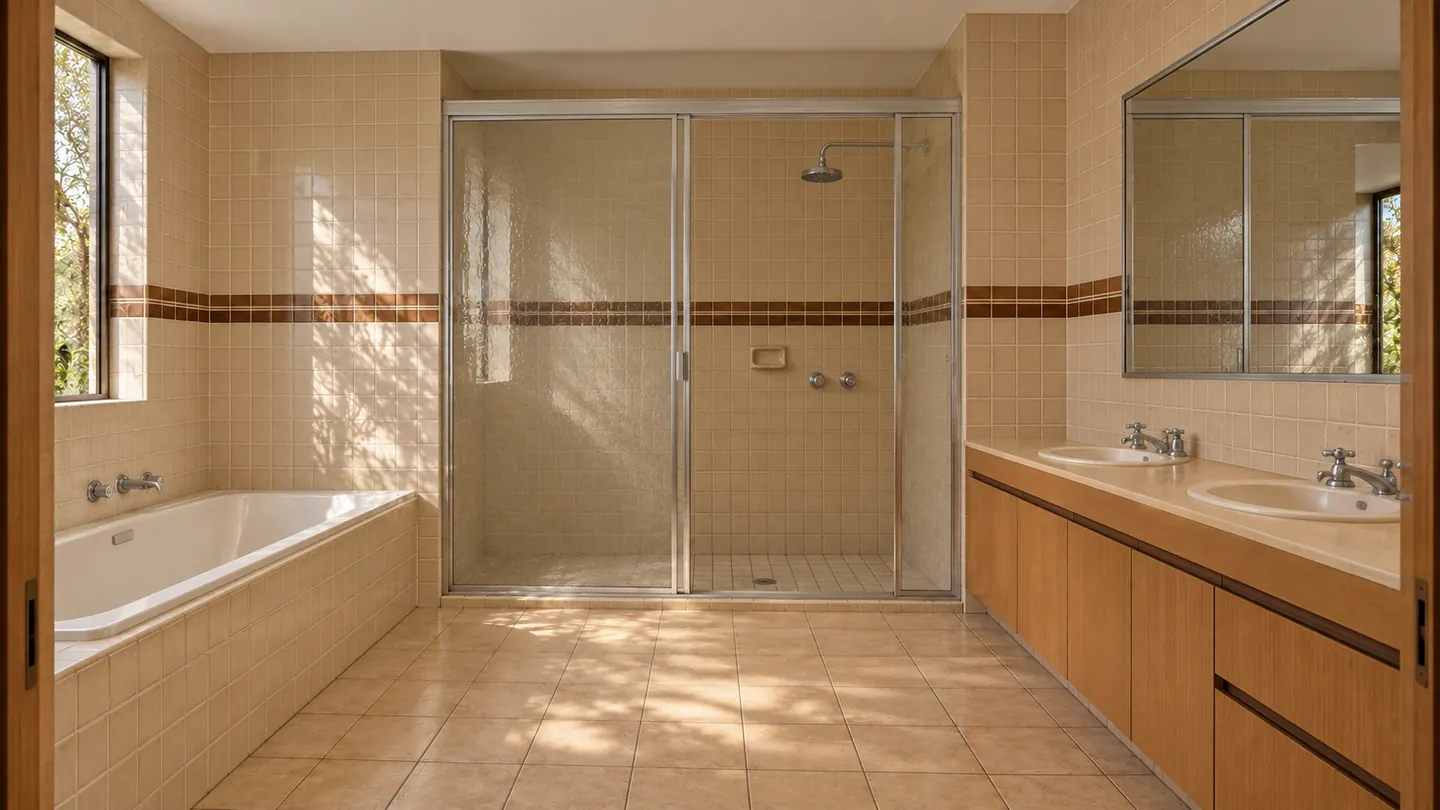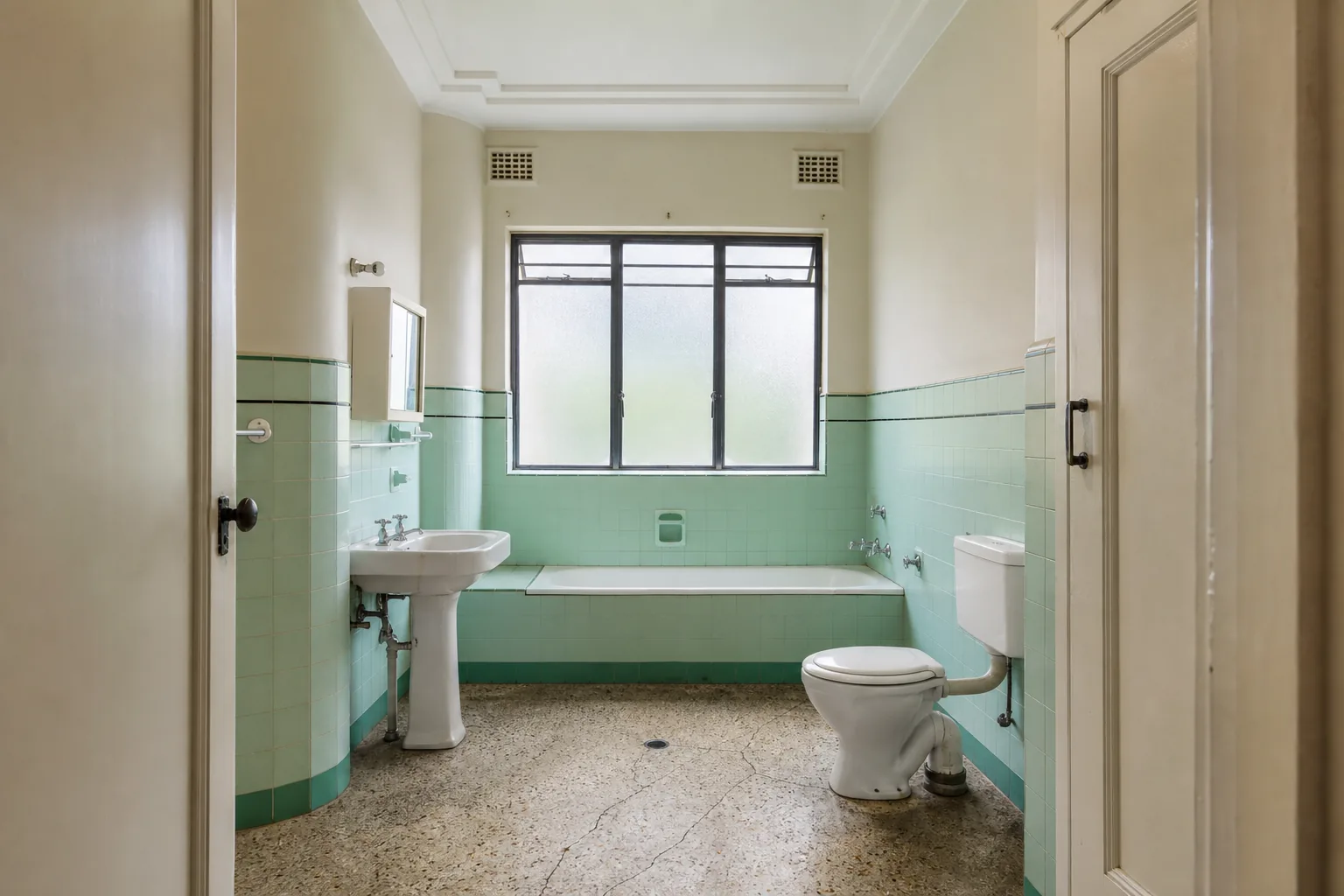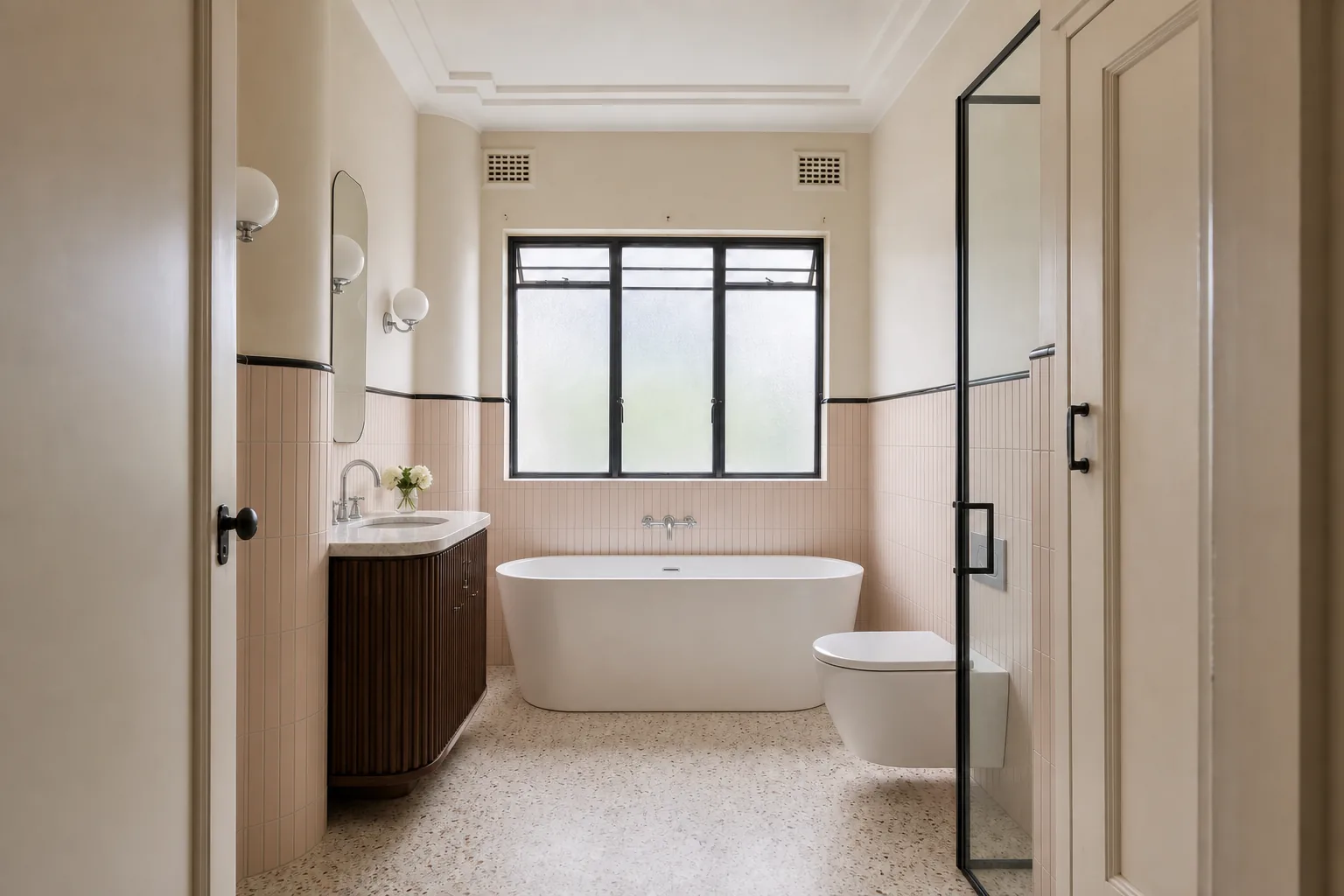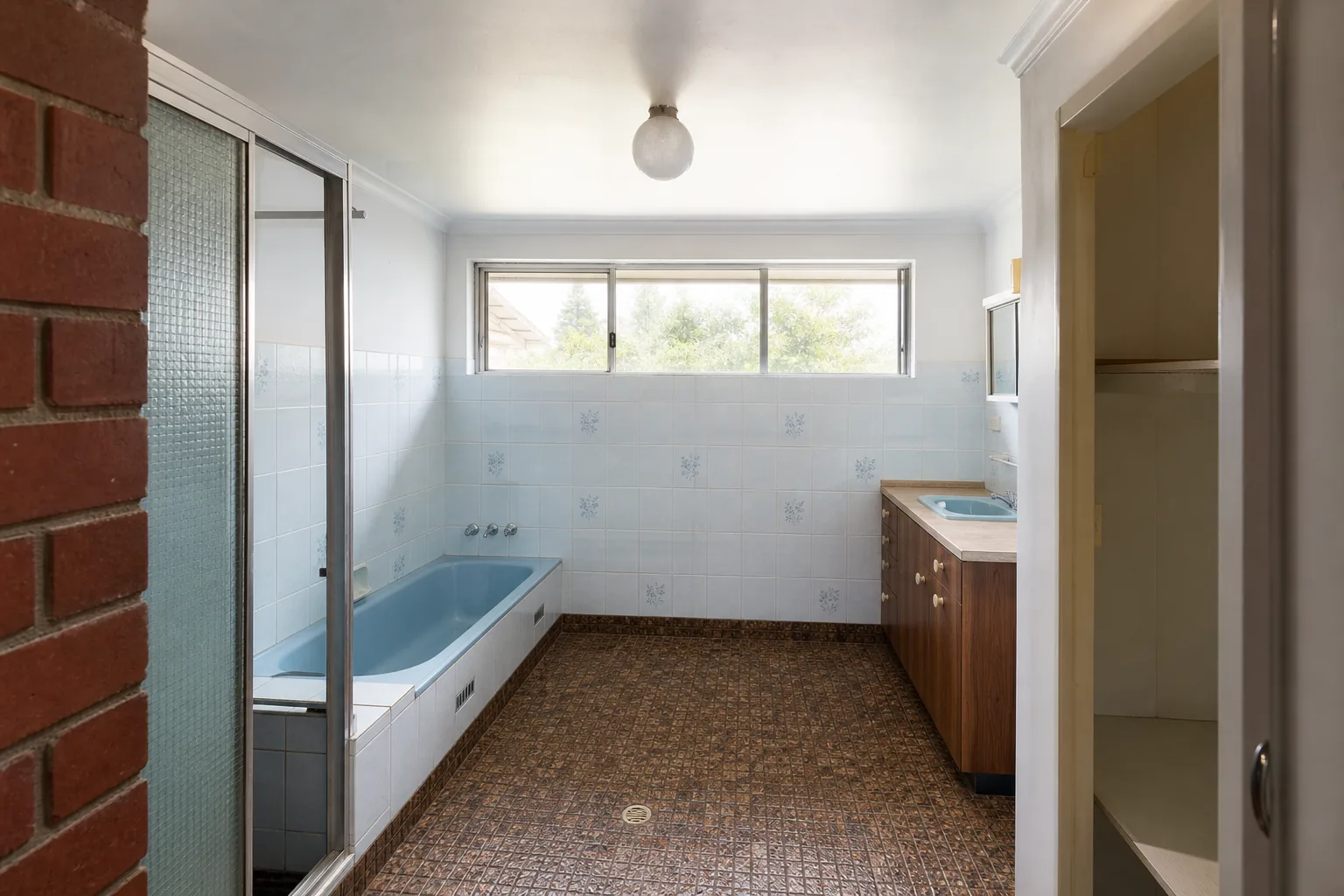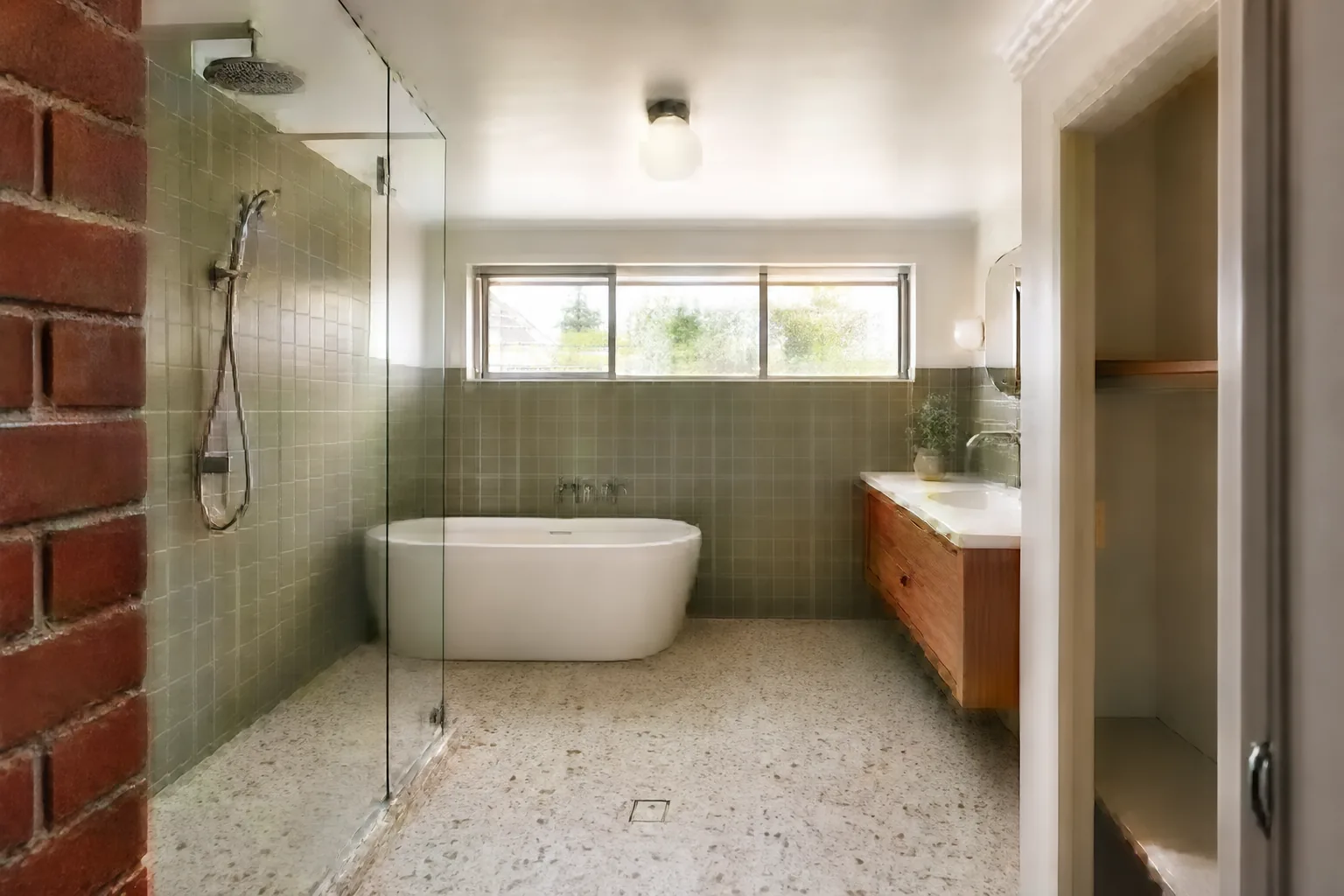

Accessible bathroom design should not feel like a downgrade or a clinical retrofit. The best aging-in-place bathrooms look calm, premium and easy to use while quietly reducing trip risk, improving support and making future adaptation simpler.
This guide focuses on the design moves that matter most in Melbourne homes: step-free showering, wall reinforcement, slip resistance, reach ranges and lighting choices that improve independence without making the room feel institutional.
In this guide
Start With Future Use, Not Just Current Need
Accessible design works best when it is planned before mobility becomes urgent. That gives the room time to evolve without obvious retrofits.
- Consider who uses the room now and who may use it in five to ten years.
- Plan clear access routes before choosing feature fixtures.
- Favour layouts that reduce turning, reaching and stepping over barriers.
The best universal-design bathrooms feel generous and intuitive for everyone, not just compliant on paper.
Zero-Threshold Showers and Safer Entries
Step-free showering is one of the strongest long-term upgrades you can make.
- Flush-entry showers remove a key trip hazard.
- Linear drains and correct floor grading need careful waterproofing detail.
- Bench seating and hand shower options can add comfort without compromising design quality.
These details need to be resolved early because they affect waterproofing, falls and floor buildup across the whole room.
Wall Reinforcement, Grab Support and Reach
One of the smartest accessible-design moves is preparing support before it is visibly needed.
- Reinforce walls during framing so support rails can be added later without opening the room again.
- Plan grab support near showers and toilets based on likely transfer points.
- Keep storage, switches and towel positions within practical reach ranges.
Even if rails are not installed immediately, the hidden preparation protects the room from costly future retrofit work.
Slip Resistance, Lighting and Contrast
Falls are influenced by more than the floor tile alone. Lighting, contrast and surface selection all work together.
- Choose wet-area surfaces with appropriate slip resistance.
- Avoid glossy finishes in critical walking and shower zones.
- Use lighting that reduces shadow and improves edge visibility.
- Contrast fixtures and surfaces enough that users can read the room quickly.
An accessible bathroom should feel safe in low light, at night and when the floor is wet, not just in perfect showroom conditions.
Vanities, Toilets and Daily Use Comfort
Comfortable daily use comes from the basic fixtures being easy to approach and easy to use without awkward movement.
- Vanity height should suit the user profile rather than a generic showroom default.
- Clear knee or toe space may be needed in some layouts.
- Toilet positioning should allow realistic transfer and support movement.
- Mirror and storage placement should reduce over-reaching and repeated twisting.
Good accessible design often feels quieter and more spacious than trend-led bathrooms because unnecessary visual clutter is removed.
Accessibility Strategy Comparison
| Approach | Best For | Strength | Risk If Ignored |
|---|---|---|---|
| Future-proof now | Homeowners renovating before mobility needs become urgent | Keeps the room adaptable without obvious medical styling | Later retrofits cost more and can damage finished surfaces |
| Immediate accessibility upgrade | Users needing support and safer access right away | Improves confidence and independence quickly | Poor planning can make the room feel cramped or clinical |
| Style-only refresh | Owners focused mainly on appearance | Lowest initial disruption | Can miss the chance to future-proof while walls are open |
Take these ideas with you.
- Accessible bathrooms perform best when future use is considered before urgent retrofit is needed
- Step-free showers, support preparation and sensible reach ranges deliver the biggest long-term gain
- Slip resistance and lighting should be treated as one safety system
- Good accessible design can still feel premium and visually calm
- Planning reinforcement while walls are open is one of the smartest low-visibility upgrades available
A few more answers
Questions about your next step.
What matters most in a small bathroom layout?
Clearances, door swing, shower placement and vanity depth matter more than decorative choices. Simplify the layout before adding premium finishes.
Which bathroom materials are easiest to maintain?
Low-porosity surfaces, practical grout, well-detailed shower screens and real ventilation reduce cleaning load and mould risk.
How long does a full bathroom renovation normally take?
Bathrooms are tightly sequenced, but waterproofing cure times, tiling and fixture lead times still make them multi-stage projects.
Put your ideas into a plan
Turn this cost guide into a real number
A useful quote names layout, services, finish level and exclusions. We measure in the house, then price the room you actually have.
If you want a bathroom that feels elegant now and easier to use later, accessibility should be designed in early. Talk to us about accessible bathroom planning.